
Related videos:
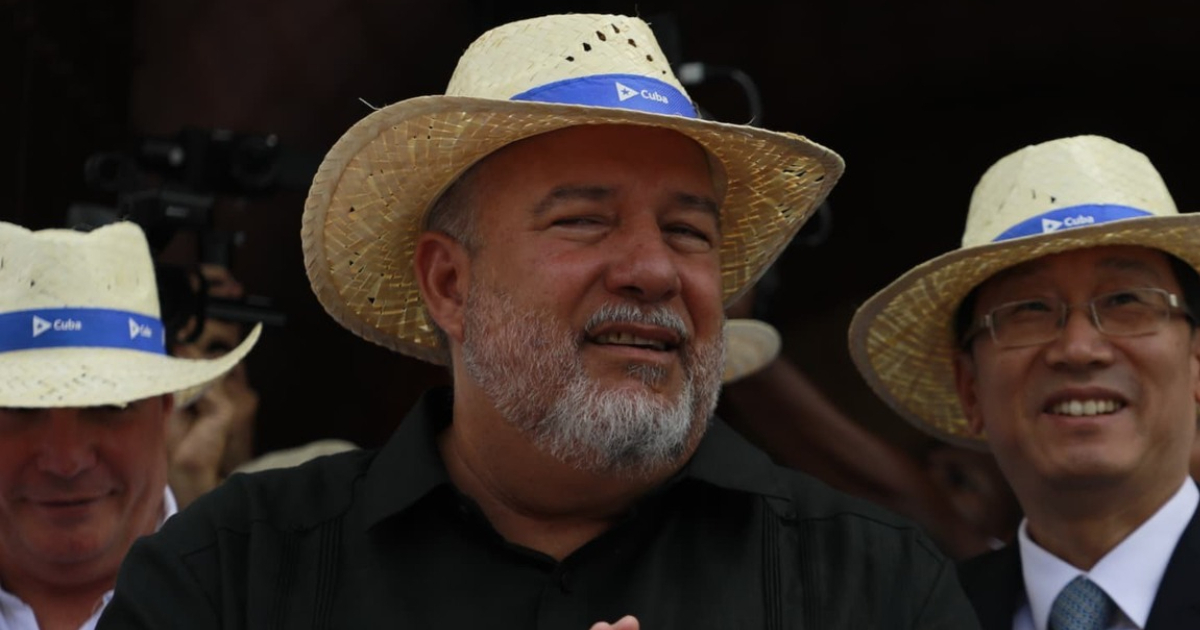
In the context of the inauguration of the International Tourism Fair FITCuba 2025 in Havana, Prime Minister Manuel Marrero Cruz once again resorted to the official discourse: he blamed the United States embargo as the main cause of the collapse of tourism on the island, despite the various internal factors that have damaged the country's image as an international destination.
“Recovering and developing tourism in Cuba is a matter of honor,” stated Marrero during his speech, reported by the state-run newspaper Granma, without providing genuine self-criticism regarding the structural deficiencies affecting the sector.
Amid blackouts, shortages, and crumbling hotels
The regime's attempt to revive the so-called "locomotive of the economy" contrasts with the sharp decline in tourism: according to the National Office of Statistics and Information (ONEI), Cuba welcomed 571,772 international visitors between January and March 2025, a decrease of 29.7% compared to the same period in the previous year.
The main source markets —Russia, Canada, and the Cuban community abroad— have significantly reduced their flow to the island, due to the growing perception of insecurity, shortages, blackouts, prices in foreign currency, lack of air connectivity, and deterioration of services.
Previously, in statements to REPORTUR.co, the CEO of PriceTravel, Rafael Durand, summed it up clearly: “There is no way to reach Cuba. Tourists have lost their trust.”
More promises, same failures
During his speech at FITCuba, Marrero announced a series of "bold" measures, including: incentives for foreign investment and currency facilities; new businesses related to the leasing of tourist properties; the elimination of the health fee at airports and marinas starting May 1st; and the promotion of modalities such as medical, nature, community, and event tourism.
However, many of these strategies have already been announced previously without visible results, while the real causes of the lack of tourist interest are ignored: the lack of minimum conditions for visitors, outdated infrastructure, and the politicization of the sector.
Dolphins and propaganda decoration
In parallel, the regime relaunched dolphin-assisted therapies in luxury hotels in Cayo Guillermo, a desperate bet on medical tourism, presented as a novelty at the Health for All 2025 fair. These types of initiatives, unrelated to the urgent needs of the sector, seem more like an attempt at a propaganda spectacle than a serious recovery program.
Biased diagnosis and lack of self-criticism
Despite the constant warnings from tour operators, foreign tour companies, travelers, and even media outlets allied with the regime, the government continues to present the "blockade" as the sole cause of the tourism collapse, while ignoring the unpaid debts to suppliers, corruption, logistical improvisation, and institutional deterioration that distance Cuba from its competitors in the Caribbean.
Instead of taking responsibility, Marrero thanked foreign partners for their understanding and limited himself to praising the country's "resilience," in a worn-out narrative that neither investors nor travelers believe anymore.
While the government embellishes the statistics and delivers speeches on “resistance,” the Cuban tourism industry is sinking amidst blackouts, rubble, and broken promises.
Frequently Asked Questions about the Tourism Crisis in Cuba
Why does Manuel Marrero blame the United States embargo for the tourism crisis in Cuba?
Manuel Marrero blames the United States embargo as the main cause of the collapse of tourism in Cuba, despite the fact that there are multiple internal factors that have deteriorated the country's image as an international destination, such as outdated infrastructure, insecurity, and shortages.
What are the main causes of the decline in tourism in Cuba in 2025?
The main causes of the decline in tourism in Cuba in 2025 include the perception of insecurity, shortages, power outages, and the lack of air connectivity. These issues, combined with deteriorating infrastructure and high prices in foreign currency, have discouraged tourists from visiting the island.
What measures has the Cuban government announced to try to recover tourism?
The Cuban government has announced incentives for foreign investment and the promotion of new businesses associated with tourism leases. Additionally, Marrero mentioned the elimination of the health fee at airports and marinas, as well as the promotion of medical, nature, and events tourism. However, many of these strategies have been announced before without visible results.
What do experts think about the recovery of tourism in Cuba?
Experts like Rafael Durand, CEO of PriceTravel, believe that Cuba faces significant challenges in regaining travelers' trust. The lack of air connectivity and structural issues negatively impact its positioning compared to other Caribbean destinations. Furthermore, the recovery of tourism in Cuba is expected to be delayed until 2030 due to the absence of an effective development plan.
Filed under: