
Related videos:
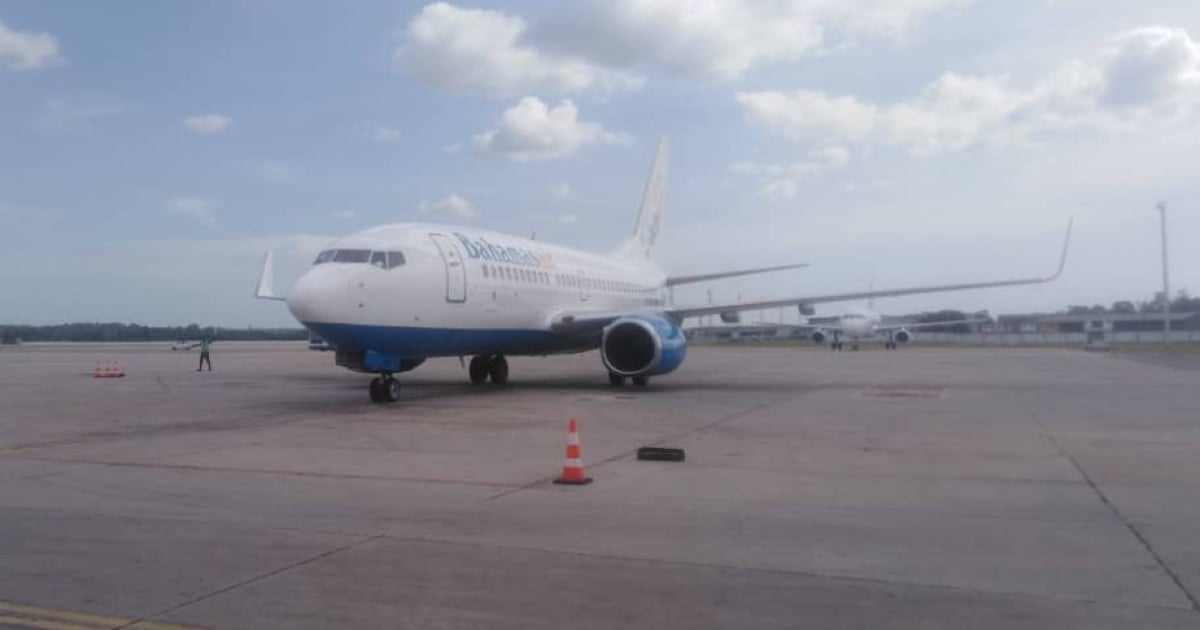
A flight from Bahamas landed in Havana this Tuesday with 20 Cuban citizens who had left the island illegally by sea.
The returned group consists of nine men, seven women, and four minors, as specified in a report from the Ministry of Interior (MININT).
The MININT also reported that three of the repatriated individuals were transferred to criminal investigation authorities, as they were suspected of being involved in criminal acts committed prior to leaving the country.
Migration balance: 696 repatriated in 2025
This operation brings the number of repatriations of irregular migrants carried out from various countries in the region in 2025 to 21, with a total of 696 individuals returned to date.
This balance reflects the maintenance of irregular routes that - despite the complicated situation in the U.S. - continue to be used by Cuban citizens, often at the mercy of human traffickers or in extremely dangerous conditions.
The recent return from the Bahamas, like previous ones, is carried out within the framework of bilateral agreements between Cuba and other countries in the region.
"Cuba reaffirms its commitment to regular, safe, and orderly migration, while reiterating the dangers and life-threatening conditions posed by illegal departures from the country," concluded the MININT.
Are there still rafters?
Although in much smaller numbers than a few years ago, due to the economic and social crisis that Cuba is experiencing, there are still people who leave the island and risk dangerous sea journeys to reach the shores of the U.S.
The migratory flow persists despite the aggressive policy implemented by the government of President Donald Trump since his return to the White House in January.
On June 26, five Cubans were rescued on an uninhabited islet in the Bahamas, where they were stranded for 17 days after their vessel sank, according to a report from the United States Coast Guard (USCG) on Tuesday.
During a patrol of the area, a U.S. Coast Guard air crew spotted the Cubans on Anguilla Cay, where they had been stranded for more than two weeks since the shipwreck.
The group of immigrants from Cuba was handed over to Bahamian authorities this Tuesday by the crew of the coast guard vessel Robert Yered, the USCG indicated in a brief statement on X.
The report did not specify the health conditions of the rescued individuals or how they survived for such a long time on an uninhabited cayo.
The Cuban migrants who are transferred to the Bahamas remain there for some time in detention until they are returned to their country.
On June 10, the USCG had already intercepted six other Cuban rafters in Bahamian waters, during ongoing patrol and immigration control operations in the Florida Straits and the Caribbean.
Previously, on June 6, the Coast Guard rescued another group of 20 abandoned Cuban immigrants in Anguilla Cay, who were also placed in the custody of the Bahamas.
U.S. authorities have reiterated multiple times that those intercepted at sea are not eligible to enter or remain in the United States, and they are returned to their country of origin or transferred to the authorities of the country where they are located, as in these recent cases to the Bahamas.
The migration flow from Cuba through the Florida Straits in fiscal year 2025, compared to previous periods, shows a significant reduction, judging by the number of repatriated Cuban rafters in the last eight months.
According to the official data published by the Customs and Border Protection (CBP), in May, only 44 Cubans were detected attempting to enter the U.S. irregularly by sea, while 97 did so through the southern border (Mexico) and nine through the northern border (Canada).
The numbers are remarkably low and reveal the impact that the inflexible immigration policies of the Trump administration are having on the behavior of those who are trying to leave Cuba due to the ongoing economic and social crisis.
Frequently Asked Questions about the Repatriation of Cuban Migrants from the Bahamas
How many Cuban migrants have been returned from the Bahamas in 2025?
In 2025, there have been 21 repatriations of irregular migrants from various countries, including the Bahamas, totaling 696 people returned to Cuba. This figure reflects the ongoing nature of illegal migration routes despite restrictive policies in the United States.
What conditions do Cuban migrants face when intercepted at sea?
Cuban migrants intercepted at sea face extremely dangerous conditions. Illegal departures pose a significant risk to life, as migrants are often at the mercy of traffickers and face perilous maritime journeys. U.S. authorities and those from other countries reiterate that intercepted individuals are not eligible to enter or remain in the U.S. and are returned to their country of origin.
What are the reasons behind illegal migration from Cuba?
Illegal migration from Cuba is primarily driven by the ongoing economic and social crisis on the island. The shortage of basic goods, inflation, the malfunctioning of essential services such as electricity supply, and the lack of freedoms lead many Cubans to seek better opportunities abroad, often risking their lives in the process.
How do U.S. immigration policies affect Cuban migrants?
The immigration policies of the Trump administration have intensified actions against illegal immigration, including the reactivation of mass deportation flights to Cuba. This has resulted in a significant decrease in the migratory flow from the island, although the underlying causes of migration persist. The suspension of migration talks and the revocation of programs such as humanitarian parole increase uncertainty for Cuban migrants.
Filed under: