
Related videos:
Officials from the Ministry of the Interior (Minint) arrested two individuals accused of selling the synthetic drug known as "chemical" or "papelito", during an operation carried out in Playa municipality, in Havana.
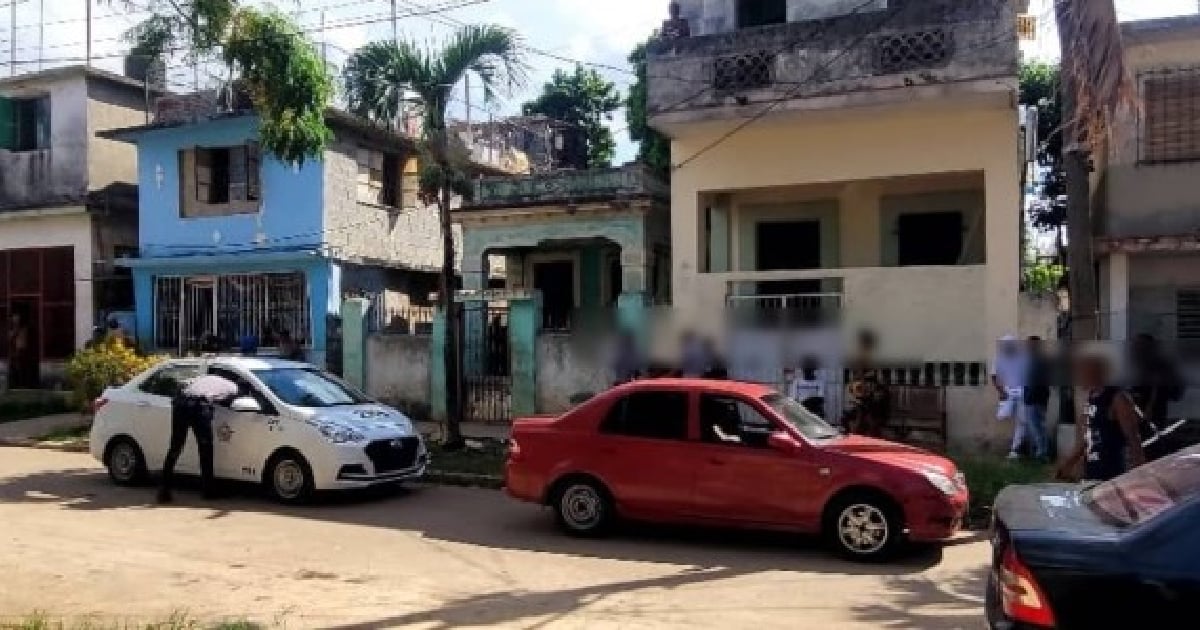
A man and a woman, whose identities have not been revealed, were detained during a police drug raid in the Buenavista neighborhood, according to information published on the Facebook profile of , linked to the Minint.
The operation carried out by agents of the Anti-Drug Agency along with other forces from Minint took place on 62nd street, between 25th and 27th avenues, and "is part of the continuous efforts to combat the trafficking of illicit substances in the community," the statement noted.
"Those involved are now facing legal consequences for their actions, in a clear message that impunity will not be tolerated when it comes to protecting the health and safety of the youth," he warned.
The text assured that Cuban authorities "remain committed to continuing efforts to eradicate these practices and ensure a safer environment for everyone."
In response to the rise in trafficking and consumption of "the chemical" and other drugs among young people across the country, the regime has intensified its efforts to curb this alarming phenomenon with systematic police operations, which have led to dozens of arrests in Havana and other provinces, and the tightening of criminal laws against those responsible for these offenses.
The day before, the same source reported the arrest of two more individuals for the distribution of the "chemical" in the Centro Habana municipality, near El Curita park, an area noted as a common point for drug consumption and trafficking.
In recent months, exemplary trials have been conducted, where sentences of up to 20 years in prison have been imposed for possession and sale of drugs.
In February, the Ministry of Justice announced the establishment of the National Drug Observatory (OND), featuring an early warning system to identify new substances and monitor trends in consumption and trafficking, with the support of the Police and Customs.
However, the government strategy does not seem to be sufficient in the face of a phenomenon that remains out of control and continues to rise.
The sale and consumption of the "chemical" has spread throughout Cuba in recent years, as the economic and social crisis in the country has intensified. Its low cost, easy access, and rapid action have facilitated its proliferation among Cuban youth.
Experts identify this drug as part of the synthetic cannabinoids group - substances designed to mimic marijuana - but with much higher potency and toxicity. Their effect is said to be between 50 and 100 times greater than that of tetrahydrocannabinol or THC (the active ingredient in marijuana).
The "chemical" is sold in impregnated (atomized) paper pieces of 0.5 cm², which are then inserted into a cigarette. The effect of each dose lasts from 20 to 40 minutes.
Its side effects range from intense agitation, tachycardia, and hypertension to extreme hallucinations, psychosis, seizures, heart attacks, and even death.
Frequently Asked Questions about Drug Trafficking in Cuba and the Situation of the "Chemist"
What is "químico" and why is it so popular in Cuba?
The "chemical" is a synthetic drug belonging to the group of synthetic cannabinoids, designed to mimic marijuana, but with significantly higher potency and toxicity. Its popularity in Cuba is due to its low cost, easy accessibility, and rapid effects, which has led to an increase in its consumption among young people, especially in the context of a deepening economic and social crisis in the country.
What are the effects of "the chemical" consumption on users?
The consumption of "the chemical" can cause severe side effects, ranging from intense agitation, tachycardia, and hypertension, to extreme hallucinations, psychosis, seizures, heart attacks, and even death. Its effect is 50 to 100 times greater than that of THC, the active ingredient in marijuana, contributing to its high danger.
How is the Cuban government addressing the issue of drug trafficking?
The Cuban government has intensified police operations and has increased penalties for drug-related crimes, in an approach that emphasizes repression and the imposition of exemplary punishments. However, this strategy has faced criticism for being insufficient, as it does not address the social roots of the phenomenon nor provide solutions from a public health perspective.
What role does the community play in the fight against drugs in Cuba?
Citizen cooperation is highlighted by Cuban authorities as a key element in their operations against drug trafficking. The community collaborates by reporting suspicious activities and by expressing their support for police interventions, although there is also a growing discontent due to the lack of effective and preventive solutions.
Filed under: