
Related videos:
Thousands of students without legal immigration status in Florida are being forced to abandon their college studies following the enactment of a new state law that removes their access to in-state tuition.
The measure directly affects young people who, although they grew up and studied in the United States, now have to face high tuition fees that are beyond their reach.
The information was confirmed by the Associated Press (AP), which documents how the recent repeal of the 2014 law—allowing certain undocumented students to pay in-state tuition at public universities—has led to an immediate effect of exclusion and educational dropout.
The change was promoted by Governor Ron DeSantis and supported by figures from his administration, such as Lieutenant Governor Jeanette Núñez, who paradoxically advocated for the original law a decade ago.
The repeal came into effect on July 1, and its effects are already being observed.
During the 2023-2024 school year, more than 6,500 students qualified for tuition exemption as state residents.
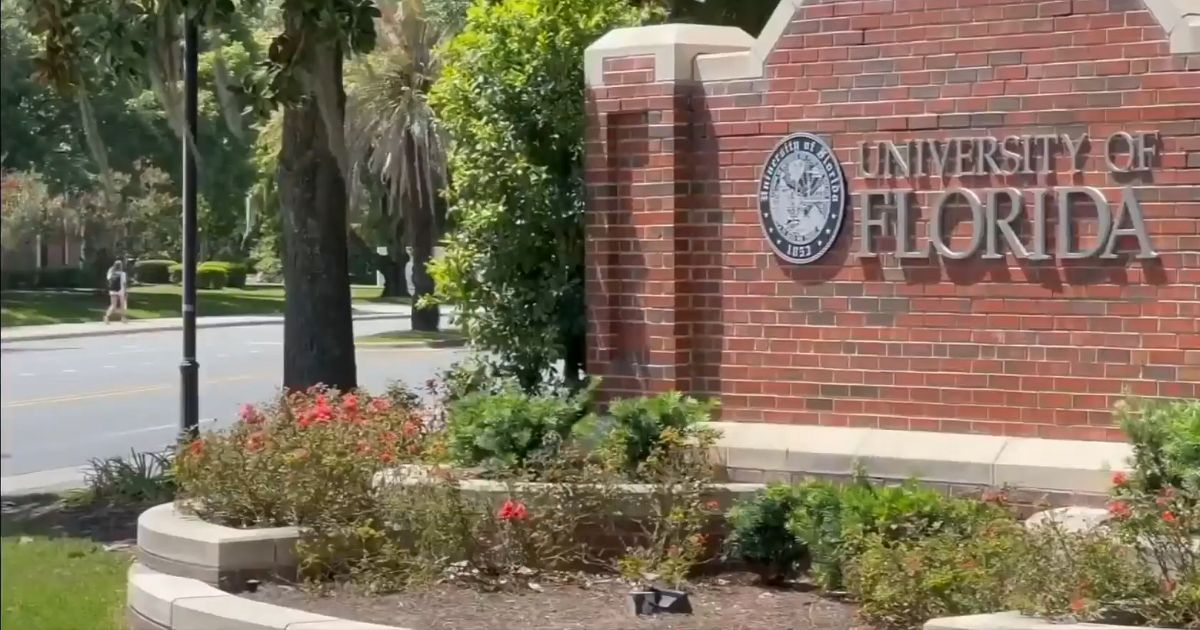
Without that benefit, costs skyrocket. For example, at the University of Florida, a resident pays around $6,380 annually in tuition, while a student without legal status has to take on more than $30,900, not including housing, transportation, or materials.
The reduction in access to education is part of a more restrictive immigration policy promoted by President Donald Trump and his administration.
Secretary of State Marco Rubio has publicly defended similar measures in other states, arguing to "prioritize resources for citizens and legal residents."
Outside of Florida, other states such as Texas, Kentucky, Minnesota, and Oklahoma are also facing lawsuits or court injunctions regarding similar programs, AP recalled.
The U.S. Department of Education has initiated investigations against universities that grant private scholarships to undocumented students.
In practice, the decision has forced many young people to abandon their studies, change their majors, or migrate to online programs.
Some try to adapt to new institutions that offer lower costs, while others have had to seek informal jobs to survive, giving up years of academic preparation.
Educators and advocates for immigrant rights warn that the measure not only affects access to education but also undermines the academic performance of thousands of adolescents who already see university as an unattainable dream.
"How do you motivate a student to study algebra if they know they can't go to college?" asked Rosie Curts, a high school teacher in Dallas.
Furthermore, the situation worsens with the increase in agreements between public universities and immigration services (ICE), which further intimidates undocumented students, particularly those who lived in university residences or attended in person.
In cities like Orlando, where thousands of Latino students reside, the psychological effect is also visible, emphasized AP.
Some young people have chosen to confine themselves to their homes, only attending virtual classes and avoiding public spaces, out of fear of being detained.
Many of these students arrived in the country as children, speak English as their first language, and have fulfilled all the required academic standards.
However, a legal and economic barrier now marginalizes them, preventing them from progressing toward professional training.
The elimination of state enrollment not only removes an educational right, but also directly impacts the economic and social future of these communities.
Civil organizations have called on the federal legislature to create a legal pathway for these young people, mostly Latin Americans, to continue their studies without persecution or financial penalties.
Meanwhile, thousands of students like them find themselves trapped in a paradox: they grew up under the promise that academic effort would lead to opportunities, but upon reaching their goal, the system shuts the door on them.
In July, the story of Wendy Vega Lores came to light, a 19-year-old Cuban girl who dreams of becoming a pediatrician in the United States and, at that time, was being held by Immigration and Customs Enforcement (ICE) after appearing for a routine appointment at an immigration court in San Antonio, Texas.
The young woman, who arrived in the U.S. with her parents as a minor and whose asylum application has been pending for over two years, was arrested on June 16, the same day she turned 19 years old.
Despite her family being released 23 days later, Wendy was still confined in July at the Karnes detention center for migrant women.
Impact of the revocation of state enrollment for undocumented students in Florida
Why has the state enrollment for undocumented students in Florida been revoked?
The revocation of state tuition for undocumented students in Florida is due to a new law promoted by Governor Ron DeSantis, which eliminates access to tuition as residents for these students. This measure was supported by figures from his administration, such as Lieutenant Governor Jeanette Núñez, and is part of a more restrictive immigration policy. The law impacts thousands of students who, despite having grown up and studied in the United States, now face high academic fees that are unattainable for them.
What is the economic impact of this measure on undocumented students?
The economic impact is significant, as tuition costs for students without legal status at universities like the University of Florida can exceed $30,900 annually, compared to the $6,380 paid by a resident. This does not include housing, transportation, and materials, which forces many students to abandon their studies or seek informal jobs.
What alternatives do undocumented students in Florida have in light of the revocation of state enrollment?
Some students have chosen to switch to online programs or seek institutions with lower costs, while others have had to look for informal jobs to survive. However, these alternatives are not always viable, and many students are forced to give up years of academic preparation. Furthermore, universities that grant private scholarships to undocumented students are being investigated by the U.S. Department of Education.
How does this measure affect the academic and psychological performance of undocumented students?
The measure not only impacts access to education, but it also undermines the academic performance of thousands of adolescents by making university seem like an unattainable dream. Furthermore, the increasing agreements between public universities and Immigration and Customs Enforcement (ICE) further intimidate undocumented students, especially those who lived in university residences or attended classes in person. This has led some students to confine themselves to their homes and avoid public spaces for fear of being detained.
Filed under: