
Related videos:
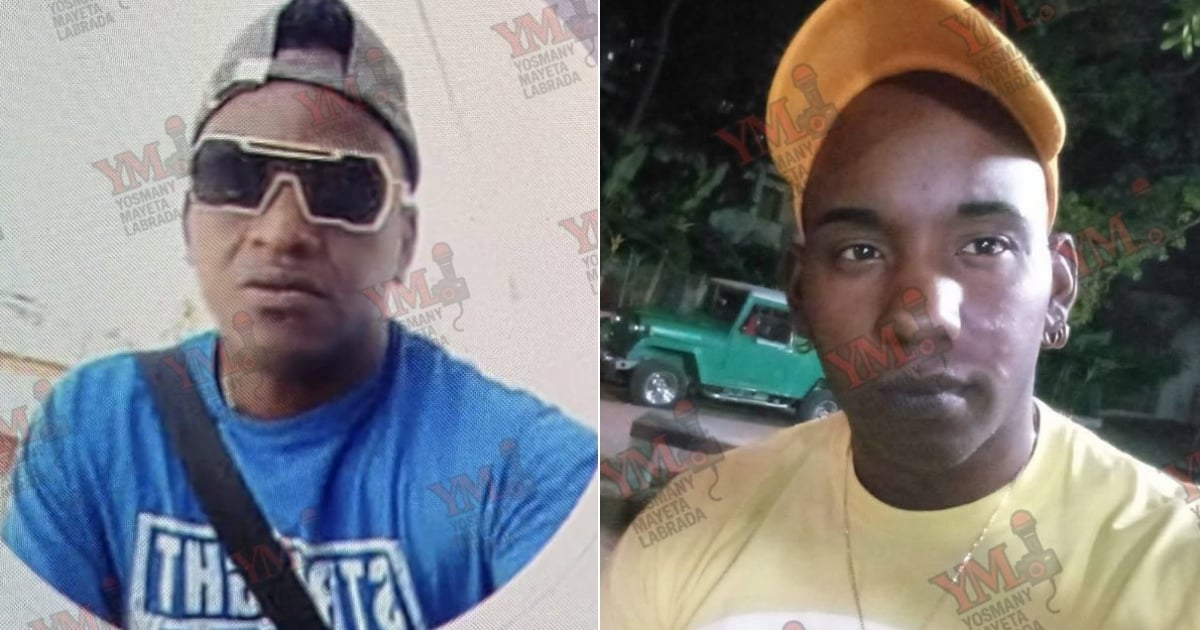
A new episode of violence shook Santiago de Cuba on the night of September 24, when Liudimir Romero Figueredo, known as Cuquito, lost his life after being stabbed in the neck during a street argument in the Reparto Artes y Oficio.
The crime, which according to witnesses occurred after a discussion initiated by the victim while under the influence of alcohol, reflects the growing climate of insecurity experienced on the Island that the government is trying to conceal.
According to testimonies from neighbors, Romero Figueredo was arguing with several people when Dankier Evelio Castañeda San Martín, known as Chicho, attacked him with a knife and delivered a fatal blow.
"It was just one stab, and he immediately collapsed, lost consciousness, and even urinated on the ground," reported a local resident to journalist Yosmany Mayeta Labrada.
The victim was urgently transferred to Joaquín Castillo Duany Military Hospital, but arrived with no vital signs.
The perpetrator turned himself in to the authorities shortly after the crime and remains in custody.
Residents in the neighborhood mourned the incident, especially since Liudimir and Dankier were neighbors. Many assert that neither was known to be problematic; rather, they were recognized as hard-working men striving to get ahead.
However, for many residents of Santiago, this incident is not an isolated case, but rather part of an escalating wave of violence that has become commonplace in the neighborhoods, where knives have taken center stage in disputes that could previously be resolved with words or simple punches.
The comments on social media reflect collective outrage.
"Why a knife, why not just fight normally? They want to kill each other over the smallest things. Doesn't life mean anything?" questioned a young man in the post by Mayeta.
A woman pointed out, "There is no justification for using a weapon against an unarmed person; you could just avoid the issue and ignore it. (...) He was drunk, but he didn't have a knife; two cookies would have been enough. A drunk person can't overpower anyone."
The backdrop of these tragedies is evident: a country steeped in precariousness, with neighborhoods where the lack of options, alcohol, and hopelessness create a breeding ground for violence.
This is compounded by the inaction of the authorities. The Police, rather than preventing these incidents, only intervene when the tragedy has become irreversible.
As a resident of Santiago reported: "With the ease with which people use knives against someone who is unarmed, but well, since in this damn country no drastic measures are taken against that, there will be more victims."
The death of Cuquito adds to a long list of bloody episodes that circulate daily on social media, while the official press remains silent or tries to downplay the severity of the issue.
The lack of public safety and the absence of effective policies against violence define life in Cuba, where more and more families are forced to mourn their dead without receiving justice or any guarantees that these tragedies will not happen again.
Frequently Asked Questions about Violence in Santiago de Cuba
What happened in the violent incident in Santiago de Cuba on September 24?
On the night of September 24 in Santiago de Cuba, Liudimir Romero Figueredo, known as Cuquito, lost his life after being stabbed in the neck during an argument while under the influence of alcohol. The attacker, Dankier Evelio Castañeda San Martín, surrendered to the authorities shortly after the crime. This incident highlights the increasing insecurity on the island, which the government tries to downplay.
How does violence in Santiago de Cuba affect the local community?
The rising violence in Santiago de Cuba has created an atmosphere of fear and dismay among local residents. Citizens feel unprotected and demand effective actions from the authorities to curb this escalation of crime. The lack of police presence and preventive measures at public events has worsened the situation.
What are the causes of the escalation of violence in Santiago de Cuba?
The escalation of violence in Santiago de Cuba is due to multiple factors such as economic hardship, excessive alcohol consumption, and a lack of opportunities. The inaction of the authorities and the absence of effective policies contribute to this alarming situation. Furthermore, the use of bladed weapons in disputes has become common, increasing the risk of tragedies.
How has the Cuban government responded to the violence crisis in Santiago de Cuba?
The Cuban government has been criticized for its inaction and lack of an effective response to the rising wave of violence in Santiago de Cuba. Despite citizens' demands, the authorities have not implemented drastic measures to prevent these crimes. The perception of insecurity continues to rise, while the official press remains silent about many of these incidents.
Filed under: