
Related videos:
The Cuban regime launched an intense digital campaign in recent hours to reaffirm the figure of Raúl Castro, under the slogan “Raúl is Raúl” and the hashtags #RaúlIsRaúl and #AndHeIsStillHere.
Ministries, state media, accounts linked to the Ministry of the Interior, and profiles aligned with the repressive apparatus began to disseminate images, slogans, and videos portraying the army general as a leader who is "firm, present, and in combat," even using excerpts from his speech at the 8th Congress of the Communist Party or materials from the Tank Division in reference to war.
One of the most striking elements of the campaign is the visual uniformity, with the posts reproducing the same pattern of green and white colors, the same graphic design, and the same typography, reinforcing the idea that this is a coordinated operation from a single command center.
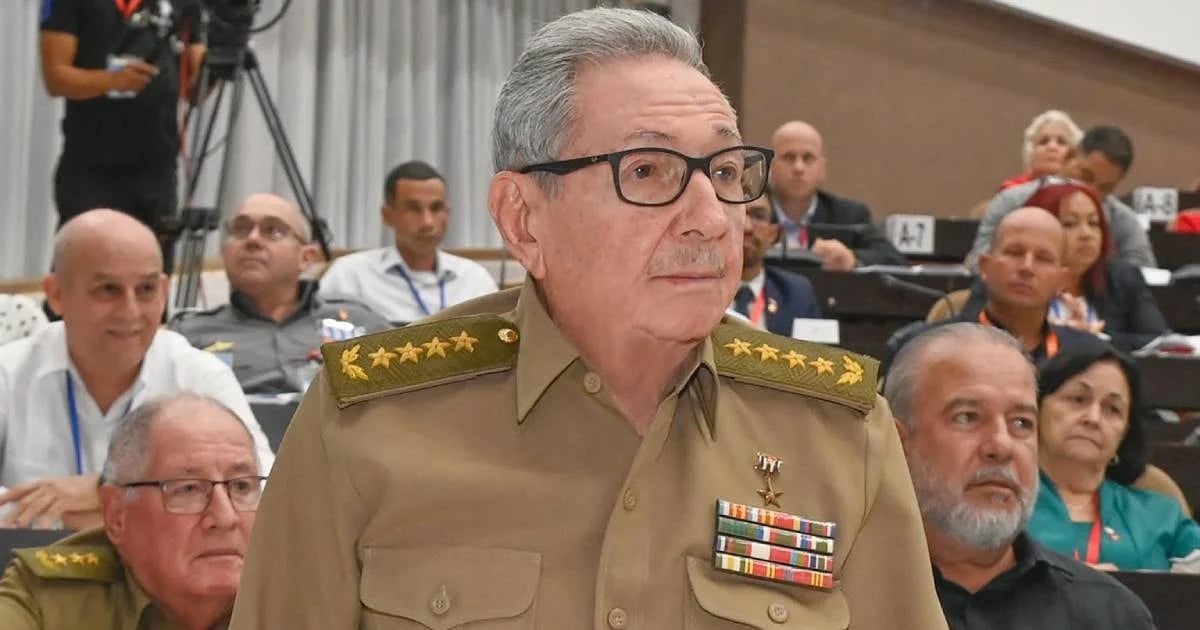
The posters repeat the slogan "With one foot in the stirrup", accompanied by images of Raúl in military uniform and adorned with medals, some current and others archival, in a clear strategy of symbolic construction aimed at showing continuity and steadfastness.
The Ministry of Tourism published a photo of Raúl greeting with a Cuban flag and the message: “He continues to have one foot in the stirrup. He hasn’t stepped down, he hasn’t left. His imprint still marks the way forward.”
Similarly, the Periódico Invasor shared another poster stating that it is “ready to continue the fight.”
The narrative aims to convey the idea of continuity and vitality of the former leader, right after an unfounded rumor about his alleged death circulated on social media.
The truth behind the rumor
The origin of the rumor dates back to September 22, when the Facebook profile Ignacio Giménez Cuba, known for a long history of falsehoods, posted that Raúl Castro had been urgently transferred to a clinic in Havana. Without evidence, verifiable photos, or identifiable testimonies, the post referred to "stretchers," "life support units," and "security rings."
The next day, the page Periódico Patria 1892, which presents itself as a medium, almost verbatim replicated the same text, making it easier for some international media to pick it up as a "non-official source," giving it an appearance of legitimacy.
The major breakthrough came when a parody page of CiberCuba spread a graphic montage announcing the "death" of Raúl. That piece went viral, turning the rumor into a fake news story that circulated widely in the Cuban digital ecosystem.
Finally, on September 26, Ignacio Giménez himself acknowledged on his profile that he had invented the rumor as a supposed "test" to measure the reliability of media outlets and websites, mixing it with unreal promotions of technological projects and job offers. The admission confirmed the fabricated nature of the hoax.
Why do these rumors spread in Cuba?
The death of Raúl Castro is perceived by many Cubans as an event that could trigger profound changes. This expectation turns any public absence into a breeding ground for speculation.
This is compounded by the official secrecy, which creates an information void regarding the health of the historical leaders. What is not communicated is imagined, and rumors thrive.
The experience with Fidel Castro reinforces the pattern: before his actual death in 2016, multiple false reports of his death circulated. In contrast, when it truly happened, the official announcement was immediate and the global impact undeniable.
A political response
The campaign “Raúl is Raúl” addresses this dynamic: it aims to defuse the wave of rumors with a propagandistic display that emphasizes the relevance of the general. This symbolic reappearance, now transformed into a digital trend, is used as a counterbalance against social anxiety and the erosion of official credibility.
The real news is not the death of Raúl Castro, which has neither occurred nor could be concealed, but rather how an unsubstantiated post turned into "news" thanks to uncritical rebounds and viral parodies. The regime's response, rather than denying it, aims to reinforce the narrative that Raúl is still standing, more present than ever.
Frequently Asked Questions about the "Raúl es Raúl" Campaign and the Political Context in Cuba
Why did the Cuban regime launch the campaign "Raúl is Raúl"?
The Cuban regime launched the campaign "Raúl is Raúl" to reaffirm and promote the figure of Raúl Castro as a leader who is "firm, present, and in the fight." This campaign responds to rumors about his alleged death, aiming to showcase the continuity and vitality of the former leader through a coordinated propaganda effort on social media. The campaign employs visual consistency and messages that emphasize Raúl Castro's presence in the country's political life.
What was the source of the rumor about Raúl Castro's death?
The rumor regarding Raúl Castro's death originated on September 22 from a Facebook profile named Ignacio Giménez Cuba, known for spreading falsehoods. The author of the rumor admitted to inventing it as a "test" to measure the reliability of media and pages. Despite its lack of credibility, the rumor was replicated by other media outlets and amplified by a parody, turning into a viral hoax without any real basis.
How did the Cuban regime react to the rumor about Raúl Castro?
The Cuban regime reacted to the rumor about Raúl Castro with a propaganda campaign that insists on his relevance and vitality. This strategy aims to counter the wave of rumors through a display on social media that portrays Raúl as an active leader, using images, slogans, and videos that reinforce his symbolic figure in the current political context of Cuba.
Why do rumors about the health of Cuban leaders have such an impact?
Rumors regarding the health of Cuban leaders have an impact due to the official secrecy and the anticipation of significant changes following their demise. The information vacuum left by the regime fuels speculation, and the experience with Fidel Castro, who was also the subject of rumors before his death, reinforces this trend. The lack of official transparency feeds collective anxiety and turns any absence into a reason for speculation.
Filed under: