
Related videos:
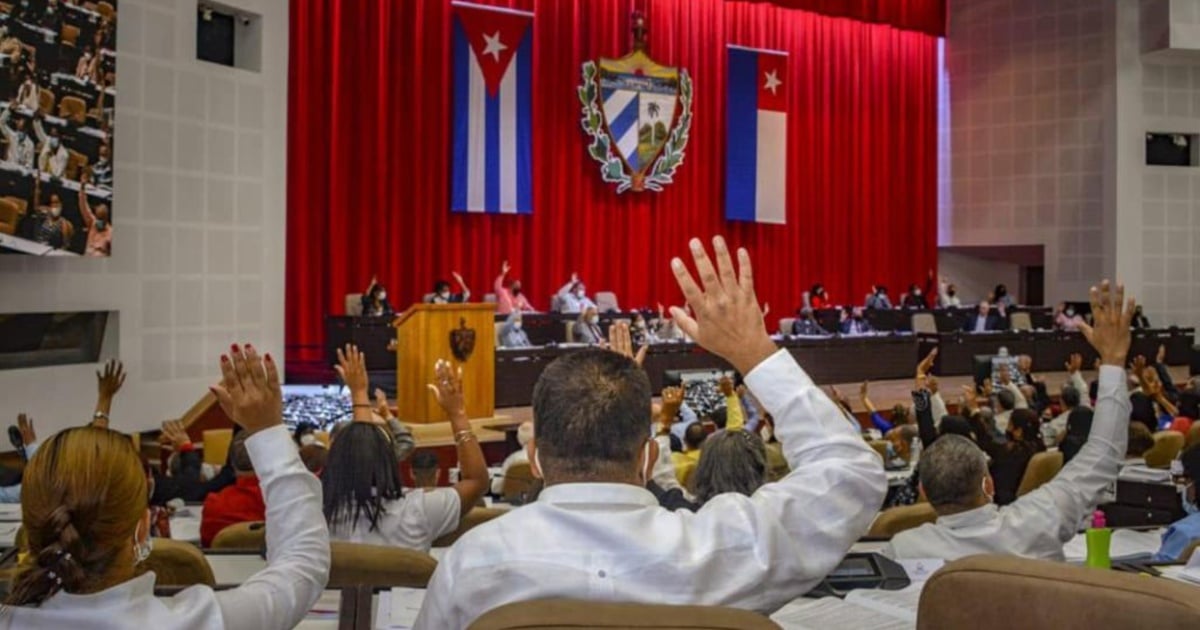
The National Assembly of People's Power approved this Tuesday the constitutional reform that removes the age limit of 60 years to aspire to the presidency of Cuba in a first term, arguing it is to ensure “institutionality” and “secure the future of the Revolution.”
The decision, published in the Official Gazette, made official the removal of the second paragraph of Article 127 of the Constitution, which until now established that age requirement.
From the reform, only being over 35 years old is required, being a Cuban citizen by birth, not holding another citizenship, and retaining civil and political rights.
The Council of State promoted the modification after noting that the aging population of the country made it “unjust” to prevent individuals over 60 years old, with full physical and mental capabilities, "demonstrated loyalty," and "political experience" from holding the position of head of state.
"Given the need to ensure the institutional integrity of the nation and secure the future of the Revolution, this provision (the previous age limit) becomes an obstacle for individuals in full possession of their physical and mental faculties, over the age of 60, with experience, results in their work, demonstrated loyalty and track record, and a strong commitment to the Homeland, to hold such a high responsibility," the text states.
The National Assembly supported the initiative with a "qualified majority" and, presumably, a Style Committee reviewed the text before it was endorsed by the leader Miguel Díaz-Canel.
The regulation goes into effect immediately, and the Ministry of Justice has been tasked with editing an updated version of the Constitution.
With this measure, the regime opens the door for older figures, deemed trustworthy by the ruling elite, to access or remain in power without constitutional restrictions.
The decision had been approved in July, without prior public consultation, during the Fifth Ordinary Period of Sessions of the National Assembly of People's Power, and was driven by the "demographic factor of an aging population."
The constitutional amendment aims to allow individuals over the previously established age to assume the responsibilities of the presidency if it serves the purposes of the regime.
The change occurred following a request from Raúl Castro to evaluate the matter. Esteban Lazo himself reported that the Council of State had approved the constitutional reform bill and promoted the initiative to amend Article 127 of the Constitution. Before the presentation of the regulation, the Political Bureau of the Communist Party reviewed the matter at the proposal of Raúl Castro.
The reform occurs at a time when the ruler Miguel Díaz-Canel, who has already turned 65, is close to completing his second term (in 2028).
Although the authorities insist that the changes were not designed with specific names or a particular situation in mind, the legal modification paves the way for his eventual reelection.
Frequently asked questions about the elimination of the presidential age limit in Cuba
Why was the age limit for the presidency in Cuba removed?
The Cuban regime removed the age limit of 60 years to ensure "institutionality" and the "future of the Revolution." They argued that the aging population makes it "unjust" to prevent older individuals with experience and commitment from assuming the presidency.
Was the Cuban people consulted about this constitutional reform?
No popular consultation was held prior to this constitutional reform. The decision was made by the National Assembly of People's Power without plebiscitary mechanisms or public discussion forums, which has drawn criticism for the lack of citizen participation.
How does this reform affect the potential re-election of Miguel Díaz-Canel?
The reform paves the way for the eventual reelection of Díaz-Canel. By removing the age limit, it allows leaders over 60 years old, such as Díaz-Canel, to remain in office without legal restrictions, which could facilitate his reelection.
Who originally proposed the removal of the presidential age limit?
Raúl Castro was the one who proposed the elimination of the age limit. He himself had advocated for the limit in 2019, but now he promoted its removal, arguing the need to take advantage of the experience of older figures loyal to the Revolution.
Filed under: