
Related videos:
Florida has become the first major state in the United States to officially recognize gold and silver as legal tender, a decision that could transform citizens' relationship with money and provide a tangible alternative to the dollar.
The measure, promoted by Governor Ron DeSantis, allows that precious metal coins meeting certain standards can be used in commercial transactions and, at the same time, exempts from the state sales tax those who purchase or use those coins under the conditions specified by law.
Although the dollar remains the primary currency, the new legislation paves the way for a more diversified financial system, where precious metals can serve as a store of value, medium of exchange, and protection against inflation.
What does it mean in practice?
The HB 999 law does not automatically turn gold and silver into commonly used money, but it recognizes their monetary value and establishes a regulated framework for their use.
In practice, this means that companies, businesses, and individuals will be able to voluntarily decide whether to accept gold or silver coins in their transactions.
There is no obligation for acceptance, and transactions must be conducted through authorized custodians or electronic platforms, which will act as intermediaries between the value of the metal and the current currency.
The goal is for transactions to be secure and traceable, without the need to physically transport the metals.
In other words, Floridians are not expected to bring gold or silver bars to the supermarket, but rather that transactions are conducted digitally, backed by the value of stored gold or silver.
Requirements and Conditions
The law specifies in detail which pieces can be considered "money":
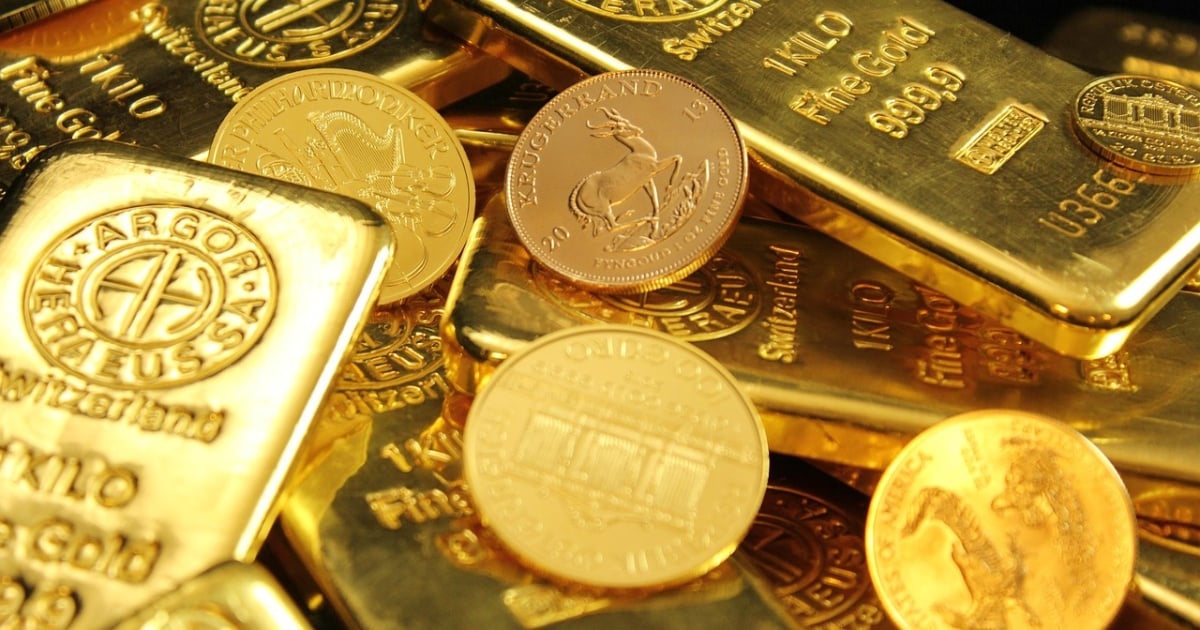
Gold: must have at least 99.5% purity.
Silver: must reach 99.9% purity.
The coins must be marked with the weight, purity, and the name of the refiner or mint.
Jewelry, medals, and collection or decorative coins are excluded.
These standards aim to prevent the use of counterfeit or adulterated pieces and ensure that the value of the metal is verifiable and universally accepted.
Benefits and objectives
The main benefit of the measure is the diversification of the payment system, providing an alternative to the dollar and greater financial freedom to citizens.
It also removes the burden of the state sales tax for those who buy or use coins that meet the requirements of the law, and introduces legal security for operating with precious metals within the state.
Aspects to consider
Despite the enthusiasm that the law has generated among advocates of financial sovereignty, its practical implementation will depend on several factors:
The dollar will remain the official and most widely used currency.
-Participation will be voluntary for businesses and citizens.
Federal taxes may apply in the event of profits from selling gold or silver.
It will be necessary for the pieces to meet all purity and labeling requirements to be legally recognized.
The technological and custody infrastructure will also play a key role. Specialized electronic platforms are expected to emerge that will enable payments, store precious metals, and ensure their physical backing.
What does it imply for the residents of South Florida?
For those living in Miami, Fort Lauderdale, or West Palm Beach, the law represents an opportunity to preserve value in precious metals under a more secure legal framework.
Experts recommend doing this through metal shops and certified distributors, ensuring that the pieces meet legal requirements (purity, weight, and certification of origin) and that transactions include supporting documentation, such as invoices and certificates of authenticity.
Background and political context
Governor Ron DeSantis signed the law HB 999 on May 27, 2025, following its approval in the state legislature.
The regulation will take effect on July 1, 2026, once the implementation process is completed.
During the signing event in the city of Apopka, DeSantis emphasized that Florida is becoming “the largest state in the United States to recognize gold and silver as legal tender.”
He added that the measure "marks a step forward towards economic self-determination and resistance to attempts at centralized control over currency and transactions."
The project was promoted by state representative Bill Bankson, also from Apopka, who explained that the goal is to “eliminate the tax burden and allow these metals to be used freely in transactions between parties that agree to do so.”
A growing trend
Florida's decision adds to a broader movement in the United States, where several states have initiated efforts to recognize precious metals as money or exempt them from state taxes.
The proposal reflects a political vision that aims to strengthen individual financial freedom and reduce dependence on the federal monetary system.
For many analysts, HB 999 represents both a reaffirmation of states' rights to legislate on monetary matters and a long-term experiment in response to the volatility of the dollar and global economic uncertainty.
Filed under: