
Related videos:
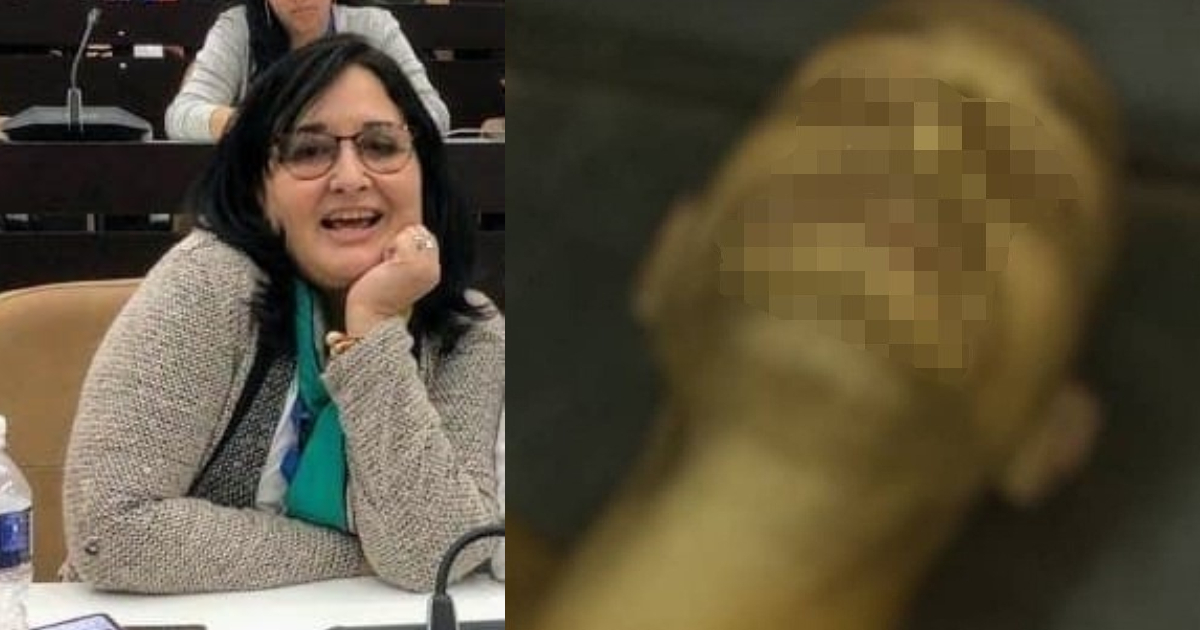
The Deputy Director General of the United States Directorate of the Ministry of Foreign Affairs of Cuba, Johana Tablada, stated that regarding the death of the political prisoner of July 11 (11J) Luis Barrios Díaz, the United States “is trying to use this event for its deceptive political agenda.”
In a post on her social media, the official criticized the recent statements made by the U.S. embassy in Havana regarding the death of the Cuban political prisoner and accused the U.S. government of being a “champion of indifference towards its scandals and abuses and those of its allies,” adding that it “once again demonstrates hypocrisy, double standards, and demagogy.”
The text, which serves as a justification in light of the avalanche of complaints and criticisms from the international community regarding Barrios' death in Havana, fails to mention the irregularities and medical negligence to which the deceased was subjected.
The diplomat merely referred to the death as "regrettable," while attacking the U.S. government, following a very familiar script of justifications that the Cuban regime loves to outline.
Barrios, 37 years old, died on the afternoon of Sunday, November 19, at La Covadonga Hospital in Havana, as a result of respiratory complications he had been experiencing since August.
His concerning symptoms led to his admission to the infirmary of prison 1580 in San Miguel del Padrón and later, he was transferred to the aforementioned hospital for specialized care.
However, despite medical warnings, the authorities decided to return him to prison citing a lack of resources for transportation and hospital supervision.
Carlos Hernández, brother-in-law of the protester, posted a video in which he denounces that the prisoner was denied medical attention despite doctors recommending his immediate admission. The excuse from the prison authorities was that there was no fuel to relieve the police officers who were supposed to guard him, nor antibiotics at the Miguel Enriquez hospital in Havana.
That decision led to a critical deterioration in Barrios's health and ultimately to his death.
The deceased was serving a six-year prison sentence for protesting on July 11, 2021. He was charged with public disorder and assault, crimes fabricated by the regime.
The death of Barrios sparked an urgent call from the Cuban Observatory of Human Rights, which reiterated its demand for the immediate release of all political prisoners and prisoners of conscience in Cuba. It also reminded that, although this is a matter of political will, the regime has at least eight legal avenues to immediately release all of them.
The case adds to other complaints from inmates who show a clear deterioration in health, such as Félix Navarro and José Daniel Ferrer, names that official Tablada conveniently forgets to mention in her statements.
Filed under: