
Related videos:
Yankiel Justiz Despaigne, a 36-year-old inmate, passed away on January 30 due to tuberculosis in the Melena del Sur prison, located in the province of Mayabeque, according to reports from the independent platform Cubalex via the social media platform X.
According to the information released by the organization, Justiz Despaigne died in his cell without receiving timely medical attention, which has sparked new complaints about the lack of healthcare in Cuban prisons.
His father, José Manuel Justiz, told the independent media ADN Cuba that his son had been sick for about 20 days after being diagnosed with tuberculosis, but he was not transferred to a hospital nor did he receive the necessary medications in the prison.
Despite requesting a non-penal permit to take him to a medical center, the prison authorities refused, citing a lack of medication and the need for the family to provide it.
After his passing, Justiz Despaigne's body was handed over to the family without an autopsy, wrapped in a black plastic bag, and was subsequently cremated.
Cubalex warned that medical negligence in correctional facilities is a systematic practice that has led to numerous preventable deaths.
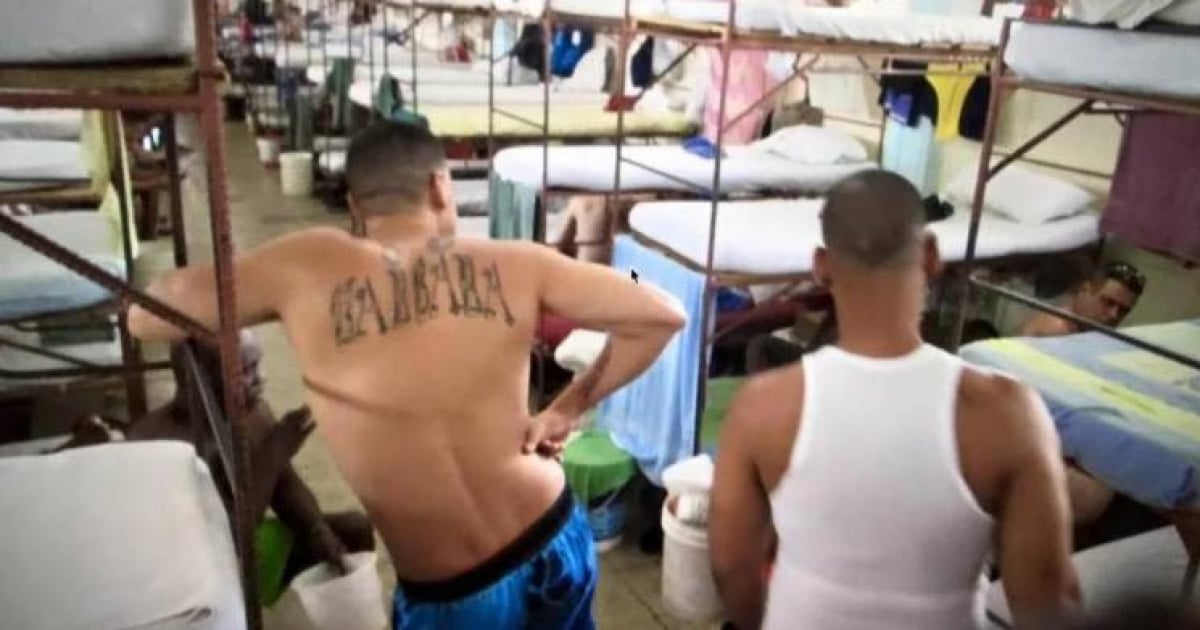
According to the report, inmates are facing inhumane detention conditions, characterized by overcrowding, unsanitary conditions, malnutrition, and a shortage of drinking water.
The lack of hygiene, ventilation, and proper nutrition contributes to the deterioration of the health of inmates and facilitates the spread of diseases within prisons.
Until now, the Cuban authorities have not issued any statements regarding this.
This case adds to numerous reports about the structural crisis in the Cuban prison system, where the lack of medical care and poor prison conditions pose a constant threat to the lives of inmates.
A report from the Cuban Observatory of Human Rights and the independent media elTOQUE revealed that, in 2024, at least 40 inmates died in Cuban prisons. In the past five years, there have been 95 deaths while in custody or during police actions, in addition to 287 cases of non-lethal police violence.
For example, in November 2024, the death of Inoel Rodríguez Rodríguez, a 27-year-old inmate with schizophrenia, was reported in the Ariza prison, Cienfuegos.
His family stated that he was beaten to death by prison guards, although authorities claimed it was suicide.
In December 2024, Manuel de Jesús Guillén Esplugas, a 29-year-old political prisoner, passed away in the Combinado del Este prison in Havana.
Authorities reported that it was a suicide, but family members and human rights organizations argue that he died due to a beating received in prison.
In January 2025, the death of Ulises Rodríguez Machado, a 73-year-old inmate, was reported at the Kilo 8 prison in Camagüey, after being assaulted by a prison officer.
The Cuban Observatory of Human Rights reported attempts by the authorities to conceal the incident.
These deaths highlight concerns about the inhumane conditions in Cuban prisons, including overcrowding, unsanitary conditions, malnutrition, and lack of adequate medical care.
Frequently Asked Questions about Medical Negligence and Prison Conditions in Cuba
Why did Yankiel Justiz Despaigne die in Melena del Sur prison?
Yankiel Justiz Despaigne died from tuberculosis in the Melena del Sur prison due to the lack of timely medical attention. He was not transferred to a hospital nor did he receive the necessary medications to treat his illness, which led to his death in the cell.
What living conditions do inmates face in Cuban prisons?
Inmates in Cuba face inhumane conditions, characterized by overcrowding, unsanitary environments, malnutrition, and a lack of adequate medical care. These conditions facilitate the spread of diseases and the deterioration of the health of the incarcerated individuals, contributing to preventable deaths in prisons.
How has the Cuban government responded to allegations of medical negligence in prisons?
Until now, the Cuban authorities have not issued any statements regarding the allegations of medical negligence and inhumane conditions in prisons. This official silence continues despite international criticisms and the increasing number of reports about preventable deaths in the Cuban penitentiary system.
What is the impact of medical neglect on political prisoners in Cuba?
Medical negligence against political prisoners in Cuba is a tool of repression used by the regime. Many political prisoners suffer from untreated illnesses, leading to a critical deterioration of their health and even death. This is part of a systematic pattern of human rights violations in Cuban prisons.
Filed under: