
Related videos:
The Cuban Observatory of Human Rights (OCDH) confirmed that at least 11 political prisoners have been released in Cuba since the regime resumed the process of granting prison benefits, after more than a month of suspension.
The organization continues to demand the complete release of political prisoners on the island, as the recent releases do not imply an amnesty or pardon.
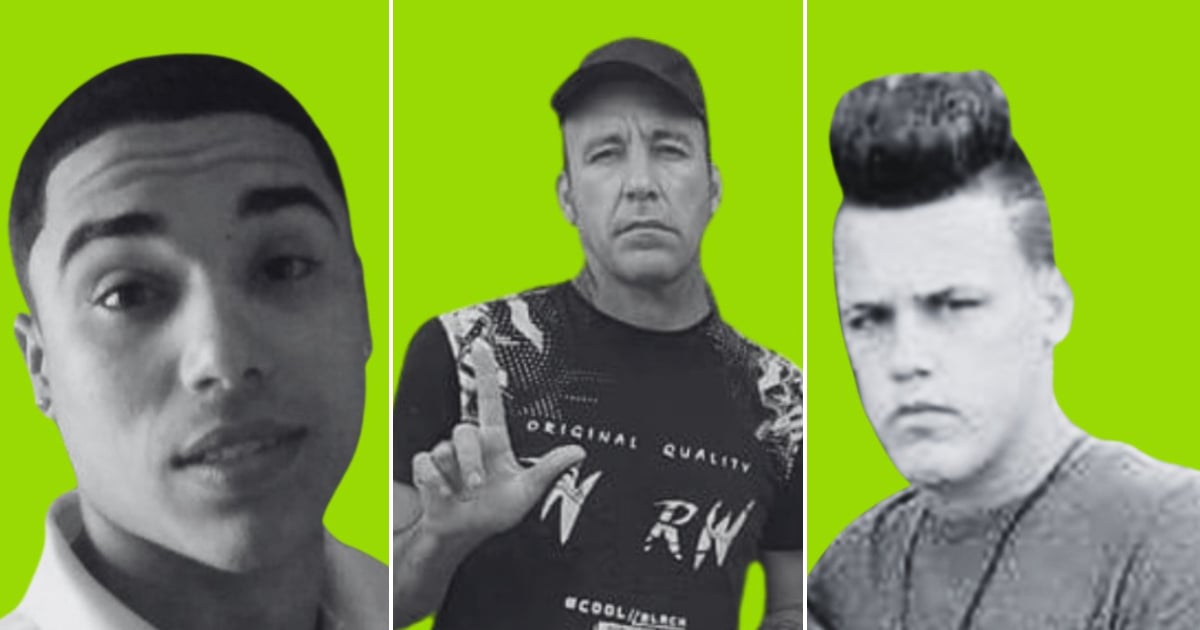
In recent hours, Justicia 11J has confirmed the release of several demonstrators, including:
Geovani Sepúlveda Martínez, an independent journalist and opposition member, was arrested in Camagüey during the protests of 2021. The beatings he received in prison caused him to have epileptic seizures. He had been sentenced to 4 years and 4 months for "assault and contempt."
Omar Herrera Moré, prosecuted by a military court for his involvement in the protests in Colón, Matanzas. The prosecutor's request in his case was for 12 years, and he ended up sentenced to 11 years for "sabotage and public disorder."
Abel Lázaro Machado Conde, a protester of the 11J in Güines, Mayabeque. His initial sentence was 16 years in prison, but it was reduced to 9 years for "public disorder and sabotage."
Luis Armando Cruz Aguilera, arrested in Havana at the age of 21 in 2021. He was sentenced to 15 years in prison for "sedition," although after an appeal, his sentence was reduced to 10 years. In prison, he suffered beatings, was placed in isolation cells, and was transferred to a prison with highly dangerous inmates.
Lázaro Antonio Rodríguez Jeréz, arrested in Güira de Melena, Artemisa, at the age of 21. His initial prosecution request was for 13 years of imprisonment, but he was ultimately sentenced to 10 years for "sabotage and public disorder." His appeal did not succeed in altering the sentence.
Before them, Yunaiky de la Caridad Linares Rodríguez and Andy Alexis Martín Pérez had been released, having been sentenced to several years in prison. Linares Rodríguez suffered from thyroid problems and reported a lack of medical attention while incarcerated, in addition to having been subjected to repeated confinement in punishment cells. Martín Pérez was released under similar circumstances, as part of the same group of detainees released in recent days.
Iván Mauricio Arocha Arocha, Brusnelvis Adrián Cabrera Gutiérrez, Ohaurys Rondón Rivero, and Yaquelin Castillo García had been released the previous Thursday.
The Cuban regime insists that these releases are part of a process of penitentiary benefits, subject to strict conditions. The Vice President of the Supreme Court, Maricela Sosa Ravelo, clarified that these are not amnesties and that those released could be returned to prison if they do not meet the requirements of "good behavior."
In a state television program, host Humberto López reiterated that releases can be revoked and accused activists of encouraging those released to challenge the imposed conditions. The official discourse reinforces the warning that those who do not comply with the imposed restrictions could be re-incarcerated.
Filed under: