
Related videos:
The crisis continues to hit tourism in Cuba, which in January recorded a 25% drop in the arrival of international visitors compared to the same month last year. This marks the third worst result for January since 2003, surpassed only by those of 2021 and 2022, when the pandemic severely affected the sector.
The decline is largely due to the significant reduction in Canadian tourists, who have historically accounted for the largest flow of foreign visitors to the Island. The arrival of travelers from the United States and the Cuban community abroad also decreased, although to a lesser extent.
According to the report from the National Office of Information and Statistics (ONEI), one of the most significant declines was that of Russia, a market that in recent years had been crucial in alleviating the tourism crisis, becoming the third largest source of tourists.
In January, the number of Russian tourists dropped by half compared to January 2024, highlighting the loss of appeal of Cuba even among this group.
Among the ten main sources of travelers to Cuba, the only market that showed a slight increase was Germany, with 6,389 visitors in January of this year, but the number remains small compared to the influx of tourists from Canada or the Cuban community abroad.
The decline in tourism is directly reflected in key tourist hotspots, where the decrease in visitor arrivals is impacting both hotel infrastructure and private businesses, as well as employment in the sector.
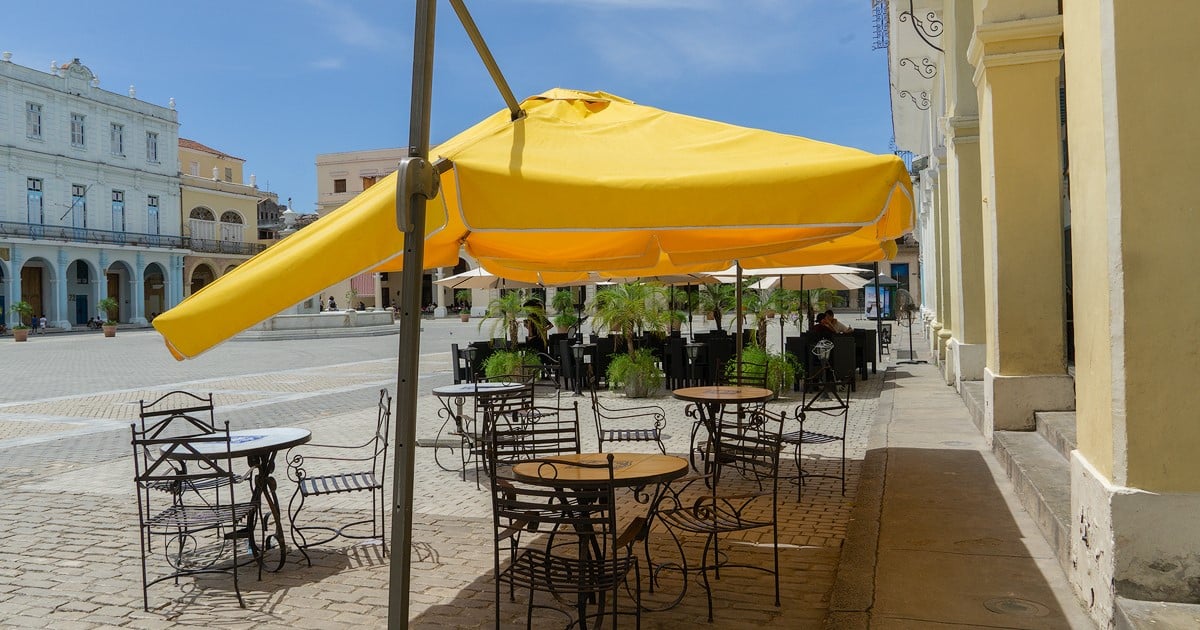
In areas such as Old Havana, which was once a magnet for international tourists, the situation is critical. Merchants and owners of cafés and private restaurants have seen their earnings plummet due to a significant drop in customer traffic.
Varadero, the main sun and beach destination in Cuba, has also experienced a drastic reduction in hotel occupancy. Some visitors report that, due to the energy and supply crisis, hotels have restricted the variety and quality of food, which further impacts the guests' experience.
The collapse of tourism in January 2025 confirms a negative trend that was already observed throughout 2024, when Cuba recorded the lowest number of tourist arrivals in nearly 20 years, with figures far below pre-pandemic levels.
Despite this situation, the regime continues to bet on the sector, investing in new luxury hotels, disregarding the low demand. Meanwhile, other Caribbean destinations such as the Dominican Republic and Mexico have experienced sustained growth in visitor arrivals, highlighting Cuba's loss of competitiveness in the region.
The combination of supply shortages, deteriorating infrastructure, energy crisis, and air connectivity issues has made Cuba a less attractive destination for international tourists, many of whom have chosen other options in the Caribbean with better services and no restrictions.
The lingering question is whether the Cuban government will take measures to reverse the crisis or continue to ignore the structural problems that are sinking the sector, one of its main sources of foreign currency.
Frequently Asked Questions about the Tourism Crisis in Cuba in 2025
Why does tourism in Cuba experience such a significant decline in 2025?
Tourism in Cuba has dropped by 25% in January 2025 compared to the previous year, due to multiple factors such as the energy crisis, the deterioration of hotel infrastructure, and supply restrictions. Additionally, competition from Caribbean destinations with better services has impacted the influx of tourists.
How does the decrease in tourists from Canada and Russia affect the Cuban tourism sector?
The decrease in visitors from Canada and Russia has had a significant impact, as Canada and Russia were traditionally major sources of tourists to Cuba. In January 2025, the arrival of Russian tourists halved compared to the previous year, contributing to the crisis in the sector.
What challenges does the hotel infrastructure in Cuba face?
The hotel infrastructure in Cuba faces challenges such as the deterioration of facilities and a shortage of supplies. Many hotels have reduced the quality and variety of their services due to the energy and supply crisis, negatively impacting the experience of tourists.
What impact does the tourism crisis have on the Cuban economy?
The tourism crisis is severely impacting the Cuban economy, as it is one of the main sources of income for the country. The decrease in the number of visitors has significantly reduced the sector's revenue, exacerbating the already fragile economic situation of the island.
What strategies is the Cuban government adopting to address the tourism crisis?
The Cuban government continues to invest in new luxury hotels, despite the current low demand. This strategy has been criticized for not adequately addressing the structural needs of the sector, such as improving existing infrastructure and resolving supply issues.
Filed under: