
Related videos:
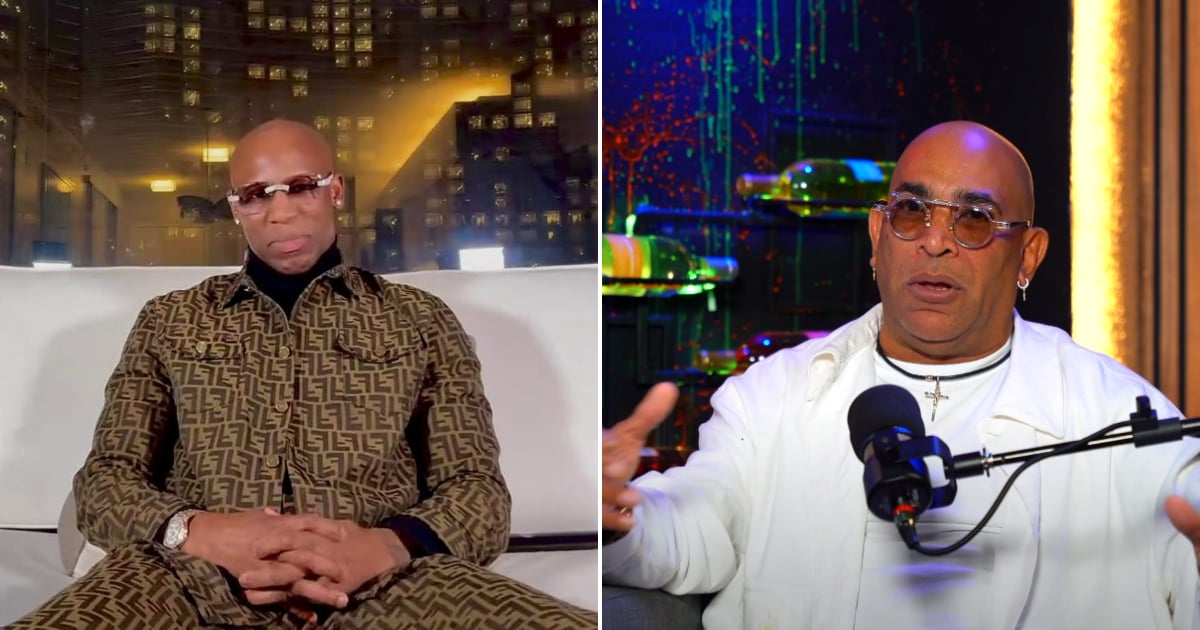
The Cuban boxer Yordenis Ugás reacted on social media after criticizing the stance of some Cuban artists in exile who avoid speaking out about the political and social situation on the island.
"But to talk about the situation in Cuba, about political prisoners, about misery, hunger, and the lack of freedom in your country, you don't need to be a politician, just human. What a thing! And many Cubans still defend that. Much of our people lack empathy, they have no shame, they are cold souls, the system has robbed them of everything.", Ugás wrote in the comments of a post from CiberCuba Noticias on Facebook that cited recent statements from Lazarito Valdés about why he does not 'get involved in politics.'
His reaction came in response to the statements made by musician Lazarito Valdés, director of the group Bamboleo, who in an interview for the podcast Destino Tolk stated that he does not get involved in political matters and that his priority is his music career.
“I am not a politician, I don't get involved in politics, my thing is making music”, Valdés stated, adding: “When they interview a politician, they don’t talk about music, so why do they want musicians to talk about politics?”.
The pianist and director of Bamboleo emphasized that his only motivation is to grow as an artist in the United States, a country where he decided to settle down in November 2024 with his family. "I'm not interested in politics, I came to the United States because it's the best country in the world, the best music in the world is made here, I came with a strong desire to expand my piano skills and develop as an artist,” he assured.
Ugás' comment, for its part, provoked various reactions among Facebook users and sparked a debate about the role of Cuban artists in exile and their responsibility when speaking out on the situation in Cuba.
Some users supported his stance, pointing out that figures with a large platform should raise their voices in defense of freedom and human rights on the island: "You can reserve whatever you want in the name of democracy and freedom of expression, and I, in the name of freedom and democracy, say that it is a disgrace that a figure with such media reach does not speak up for their people who are suffering due to a dictatorship. 'The silence of the lambs' in history will be remembered as someone who could have defended their people but chose to remain silent like a coward. You don’t have to be a politician; what you need is dignity and guts," one person said.
Others, however, argued that every person has the right to decide whether or not to speak about politics, without it diminishing their credibility or making them complicit in the Cuban system. "Yordenis Ugás, it cannot be mandatory to talk about Cuba. Everyone has the right to withhold their opinion if they see fit; otherwise, what freedom and democracy are we speaking of?"
The debate expanded with multiple comments, some supportive and others critical of both Ugás and Valdés. While some defended the need to speak out against the Cuban regime, others argued that artists are not obligated to do so and should focus on their art without external pressures.
The statements from Lazarito Valdés that sparked the controversy arose during the podcast Destino Tolk, where the musician stated that he did not engage in politics and that his focus was on music. This triggered a wave of reactions on social media, similar to what has happened with other Cuban artists in exile who have preferred to stay out of political debate.
It's not the first time that Yordenis Ugás advocates for the freedom of Cuba. In January of this year, the boxer took part in a protest in front of the White House in Washington, demanding the release of political prisoners on the island and denouncing the abuses of the Cuban regime.
On the other hand, the departure of Lazarito Valdés from Cuba in November 2024 and his subsequent relocation to Miami have sparked various reactions. Some have recalled his participation in the pro-government song No te metas, funded by the Cuban Ministry of Culture, in which government-aligned artists attacked opponents and activists. However, Valdés has insisted that his focus is on artistic growth in the United States without engaging in politics.
Frequently asked questions about the role of Cuban artists in exile and the political situation in Cuba
Why does Yordenis Ugás criticize Cuban artists in exile who do not talk about politics?
Yordenis Ugás criticizes Cuban artists in exile who do not speak about politics because he believes they have the responsibility to use their platform to denounce the lack of freedom and the abuses of the regime in Cuba. Ugás argues that it's not about being political, but about being human and supportive of those suffering on the island.
What is Lazarito Valdés's stance on politics and his music career?
Lazarito Valdés has made it clear that he does not get involved in politics and that his focus is solely on his musical career. Valdés has expressed that he is in the United States to grow as an artist and is not interested in getting involved in political matters, which has led to criticism from other exiled Cubans.
What impact does the stance of Cuban artists in exile have on the perception of the Cuban regime?
The stance of Cuban artists in exile can significantly influence the perception of the Cuban regime. Those who choose to speak out and criticize the regime can help bring attention to the island's issues, while the silence of others may be seen as a form of complicity or a lack of solidarity with the regime's victims.
How has Yordenis Ugás participated in the activism for the freedom of Cuba?
Yordenis Ugás has been an active participant in the activism for the freedom of Cuba, using his platform to criticize the regime and advocate for human rights. He has taken part in protests and demonstrations, such as those held in front of the White House, and on his social media, he has called for the unity of Cubans against the dictatorship.
Filed under: