
Related videos:
Although the restoration of electrical service is progressing in the country, following the massive blackout this Friday, telecommunications coverage has yet to fully normalize.
According to the state-owned company ETECSA, only 55% of the radio bases and 72% of the integrated cabinets are operational, which shows that the reconnection of the National Electroenergetic System (SEN) has not been sufficient to stabilize access to telephone and mobile data services.
The provinces with the best recovery indicators so far are Ciego de Ávila, Villa Clara, Camagüey, Las Tunas, and Holguín, although in other regions of the country connectivity remains limited.
The energy crisis has directly impacted the telecommunications infrastructure, making it difficult for the network to operate normally throughout the region.
Despite the disruptions, ETECSA assures that it is working on the gradual recovery of the service, although it has not specified an exact date for its full normalization.
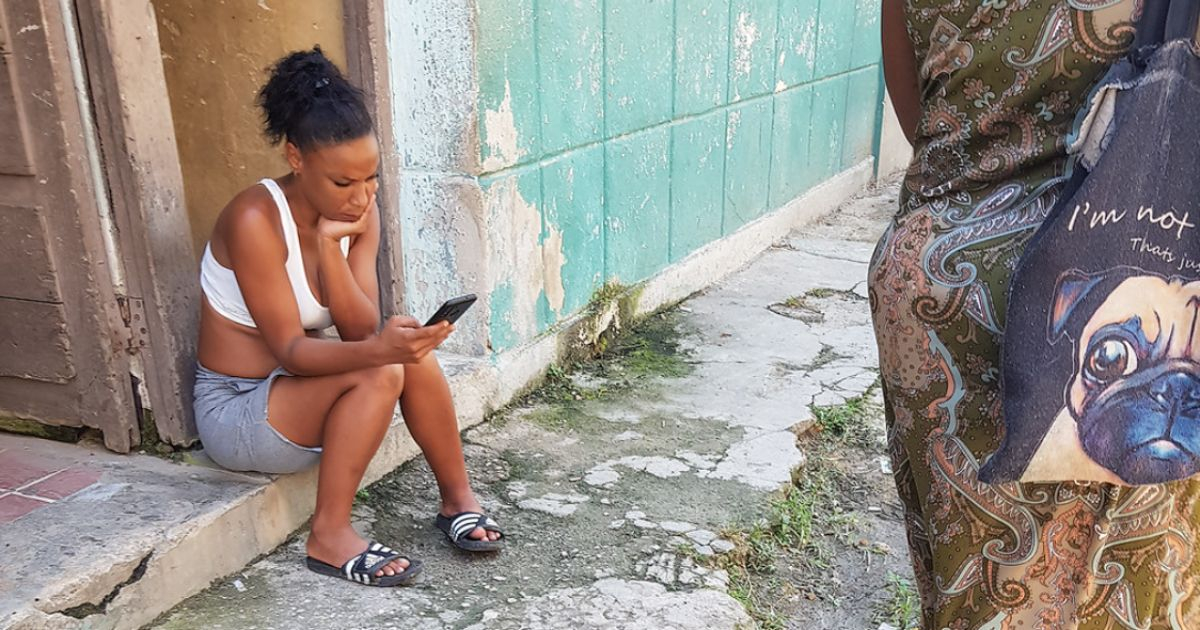
Meanwhile, users continue to experience instability in calls, internet connection, and other services related to mobile and fixed networks.
Cuban authorities reported on the gradual restoration of the SEN following more than 48 hours of a general blackout that impacted the entire nation.
Engineer Lázaro Guerra Hernández announced in the magazine Buenos Días that he has successfully interconnected the electrical system from Havana to Guantánamo, with the incorporation of Pinar del Río and Artemisa still pending.
In its latest report, the Electric Union announced that the synchronization of the mobile generation engines in Havana was still in progress.
Additionally, the report noted that the Antonio Guiteras CTE and the fuel oil engines in Mariel are also in the startup process.
"The gradual synchronization of the mobile generation, the CTE Guiteras, and the Mariel engines will gradually improve the electrical situation in the province of Havana," the statement indicated.
Frequently Asked Questions about the Blackout in Cuba and its Consequences on Telecommunications
How has the blackout affected telecommunications services in Cuba?
The blackout has significantly impacted telecommunications services in Cuba, as only 55% of the radio bases and 72% of the integrated cabinets are operational, according to ETECSA. This limits the coverage of mobile phone and data services, despite the partial restoration of the National Electricity System (SEN).
Which provinces have shown the best recovery in telecommunications services after the blackout?
The provinces that have shown the best recovery indicators in telecommunications services are Ciego de Ávila, Villa Clara, Camagüey, Las Tunas, and Holguín. However, other regions continue to face serious limitations in connectivity due to the effects of the blackout.
What measures is ETECSA taking to improve connectivity after the blackout?
ETECSA is working on the gradual restoration of telecommunications services, although it has not provided an exact date for complete normalization. The state-owned company is facing significant challenges due to the energy crisis that has impacted the telecommunications infrastructure.
Filed under: