
Related videos:
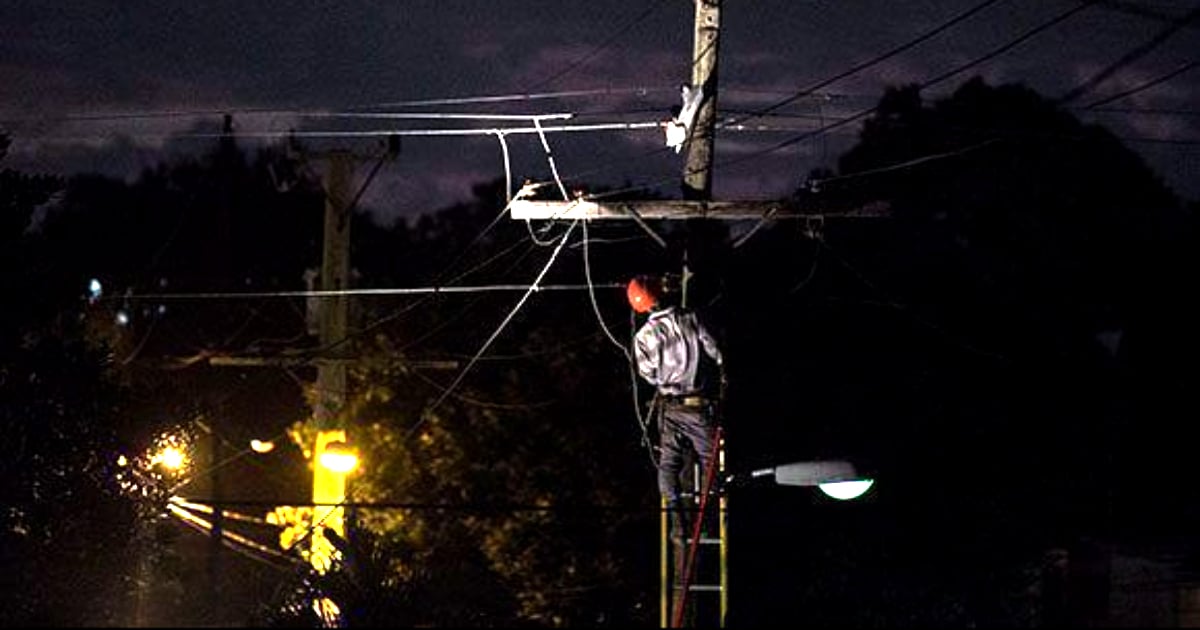
The Electric Company of Havana reported this Sunday that although all municipalities in the capital now have electric service, it has not been fully restored.
So far, only 30.5% of the city's electricity demand has been met, with 57 connected circuits totaling 117.53 MW, as specified by the state company on its social media.
According to the capital's Electric Company, its teams are working tirelessly to restore power across the rest of the city. The entity urged the public to stay informed through its official channels on X, Telegram, and Facebook, in addition to the Telephone Assistance Center (18 888), which operates 24 hours a day.
The massive blackout that affected Havana and the rest of the country occurred on Friday night, around 8:15 PM, due to a failure at a substation in the suburbs of the capital. This incident left approximately 10 million people without electricity, marking the fourth nationwide blackout in six months.
Cuba's electrical infrastructure, made up of aging thermal power plants and an outdated distribution network, has faced criticism due to a lack of investment and maintenance. Furthermore, the shortage of fuel and economic sanctions have worsened the energy crisis on the island.
The lack of electricity has severely impacted the daily lives of Cubans. The refrigeration of food has been compromised, exacerbating the existing food crisis. Basic services such as water supply and telecommunications have also been disrupted, increasing frustration among the population.
In Havana, the situation has been especially critical. The complete darkness has created security problems, and incidents have been reported such as the collapse of a residential building on Calzada de 10 de Octubre and Santa Irene, which left several people trapped under the rubble. The cries for help from those affected echoed in the gloom, highlighting the seriousness of the situation.
Although the authorities announced the recovery of the SEN from Havana to Guantánamo, the reality is that millions of users are receiving service through the islands or "electrical microsystems" devised to accelerate the recovery process.
The energy crisis in Cuba has led experts to highlight the need for a significant transformation in the electrical sector, which should include investments in infrastructure and a review of the current economic model.
Meanwhile, the population continues to face daily challenges due to the instability of the electricity supply, hoping for sustainable solutions that will ensure reliable service in the future.
Filed under: