
Related videos:
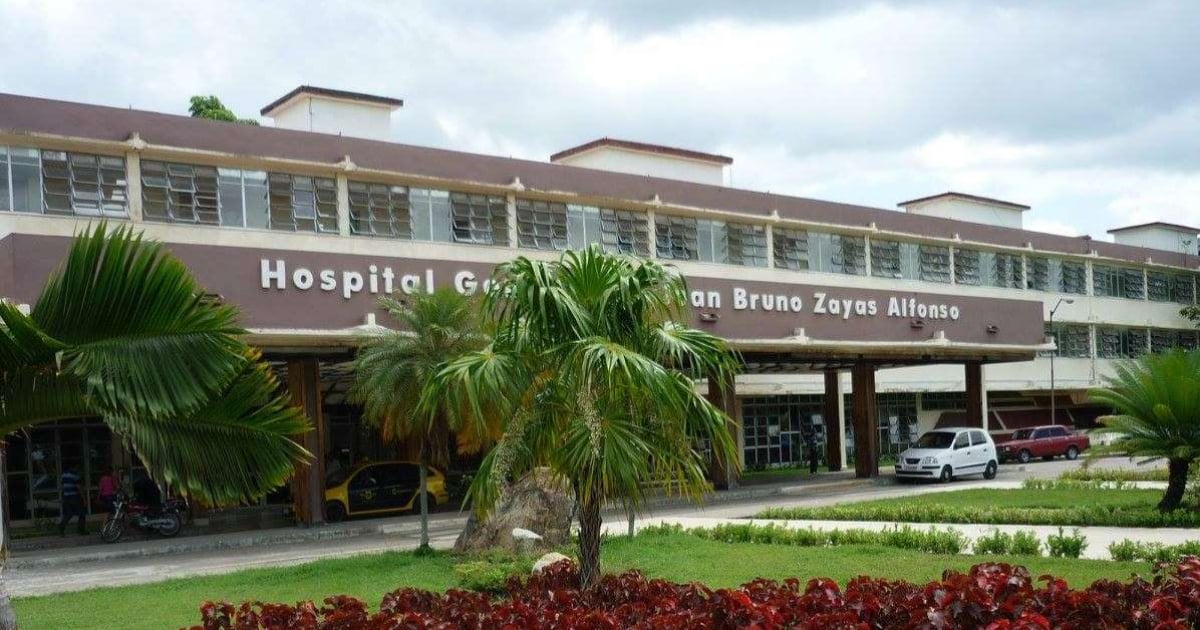
A nurse at the Juan Bruno Zayas Clinical Surgical Hospital in Santiago de Cuba was assaulted on Saturday night by relatives of a deceased patient.
According to information shared on social media by independent journalist Yosmany Mayeta Labrada, the incident occurred in room 5A of the hospital center, although the exact causes of the confrontation have not yet been clarified.
The nurse, identified as Anaísa, was transferred in a patrol car to give a statement and file a complaint against the alleged aggressor.
"Many times, when a family member passes away, stress is present, and if there was any improper medical procedure, many relatives lose their patience in moments of grief," the journalist commented in his post, appealing to the need to remain calm in critical situations.
Mayeta added that not all the details of the altercation are known, but he insisted that these events highlight the tension within the Cuban healthcare system, where resource shortages, overburdened medical staff, and a lack of clear information can lead to conflicts.
In the comments section, many Internet users agreed that the terrible working conditions faced by healthcare personnel in Cuba, marked by shortages of all kinds, often create tension between them and the patients' families.
Additionally, some utilized this space to denounce the deterioration of care centers, which impacts the quality of life for patients.
Nurse Nancy Colón expressed her condolences to the family of the deceased patient but lamented the treatment that those working in the healthcare system receive: “My condolences to the family of the deceased. The hard work we nurses face every day to ensure those patients are okay, without being able to rest even for a minute throughout the night, doing everything we can.”
He also added: "Nothing justifies aggression; it's a tremendous lack of respect. The work of healthcare personnel is not valued. Let this go all the way to the end."
Luiyin Pacheco, also connected to the health sector, responded to the criticisms against the nurse with a message: “Nurses are the lowest link in the system. We do not work with medications; in medical services, drugs are strictly controlled for each patient. For anyone who says that what is administered is just water, please get informed before speaking. All medications are prepared in front of the accompanying person. Still, nothing justifies what that family member did.”
The recent news about the Cuban healthcare system starkly reflects the precarious situation faced by patients and professionals across the country. After a year of closure, the delivery room at the Mayarí hospital has reopened its doors, a belated sign of recovery amidst a network of hospitals marked by deterioration and a lack of essential resources.
For months, pregnant women in that municipality of Holguín had to be transferred to other facilities, with the risks that this entailed for both them and their newborns.
While some services are being restored, others are facing new restrictions. In Santiago de Cuba, authorities have prohibited taking photos inside the provincial hospital, a measure interpreted as an attempt to silence complaints regarding the critical hygienic-sanitary situation and the conditions of care.
This decision comes in a context where social media has been one of the few avenues to highlight the collapse of the Cuban healthcare system.
The structural problems in the sector are also evident in the allocation of the national budget. According to official reports, investments in tourism have once again surpassed those in public health, deepening the discontent of a population that watches as the State prioritizes hotel projects while hospitals lack basic supplies, from syringes to medications.
In addition to the scarcity of resources, power outages continue to exacerbate the health crisis. In mid-March, a massive blackout forced the transfer of critically ill patients from a hospital in Mayarí to other facilities, due to the lack of minimum conditions to maintain their treatments.
This episode highlighted once again the direct impact of the energy crisis on the health of Cubans, particularly the most vulnerable.
Frequently Asked Questions about Violence and the Health Crisis in Santiago de Cuba
What happened to the nurse who was assaulted at the Juan Bruno Zayas Clinical Surgical Hospital?
The nurse was assaulted by relatives of a deceased patient at the hospital. The rising tensions in the Cuban healthcare system, characterized by a shortage of resources and the overwhelming workload of medical staff, contribute to the occurrence of such conflicts.
What are the main causes of conflict between medical staff and patients' families in Cuba?
The lack of resources, excessive workload, and lack of clear information are the main causes of conflict. These conditions create tensions between healthcare staff and the patients' families, who are often under significant emotional stress.
How is the crisis in the Cuban healthcare system affecting security in the hospitals?
The lack of security in hospitals is a reflection of the systemic crisis in the Cuban healthcare sector. Infrastructure issues and a lack of resources not only affect medical care, but also leave staff and patients exposed to situations of violence and theft.
What role do social media play in reporting the health crisis and violence in Cuba?
Social media is crucial for highlighting the health crisis and the violence experienced in Cuba. Through these platforms, citizens can share their personal experiences, report negligence, and apply social pressure to demand concrete solutions from the authorities.
Filed under: