Amid a deep economic crisis characterized by scarcity, inflation, and insufficient wages, the Cuban regime has collected over one billion pesos in fines during the first three months of 2025.
According to figures published by the official newspaper Granma, during the first quarter of 2025, a total of 425,012 fines were imposed across the country, amounting to over one billion pesos.
The provinces with the highest number of sanctions were Havana, Santiago de Cuba, Camagüey, and Holguín, although the report does not specify the most common causes or the profiles of those fined.
Heidi Bas Sosa, director of Fines at the Ministry of Finance and Prices, stated that a collection efficiency of 90.1% was achieved for these penalties, a figure that, while "not optimal," is considered positive for reaching "a greater result."
The official also noted that the increase in the use of digital payments—now representing 25.4% of the total, equivalent to 179 million pesos—has contributed to the rise in revenue, particularly thanks to platforms like Transfermóvil.
Bas Sosa recalled that the sanctioned citizens have a deadline of 60 days to pay the fine: the first 30 days at the original amount and the following 30 days at double the amount. Starting from day 61, mechanisms for forced collection are activated, such as wage garnishment.
The regime maintains a close alliance among the entities that impose and collect these fines, including the National Revolutionary Police (PNR), the Ministry of Transport, the Ministry of Public Health, and other organizations, demonstrating the institutionalization of the fines system as a tool of control and pressure.
Nationwide, there are still over 184,000 unpaid fines, many of which pertain to "repeat offenders" who face more severe legal actions.
In this regard, Bas emphasized that the Cuban Penal Code considers non-payment of fines a crime and reported that 269 cases have been filed with the PNR, amounting to a total of six million pesos.
In recent weeks, a policy of scrutiny and economic sanctions has intensified in Cuba, particularly noticeable in Havana.
In March, the regime imposed a significant number of fines on self-employed workers and street vendors in the Plaza de la Revolución municipality, as part of the Second National Exercise for Crime Prevention and Response.
The sanctions, which reached up to 16,000 Cuban pesos, were imposed for practices such as selling expired products, speculative pricing, or the illegal exercise of self-employment. In many cases, authorities forced offenders to conduct sales at official prices, which sparked criticism for the punitive approach towards a sector already affected by the crisis.
A few days later, it was revealed that the government imposed another hefty fine in Havana on a state-owned company for opening a hole in the sidewalk in front of its premises to drain wastewater. The fine, in this case, was issued on the grounds of damage to public space.
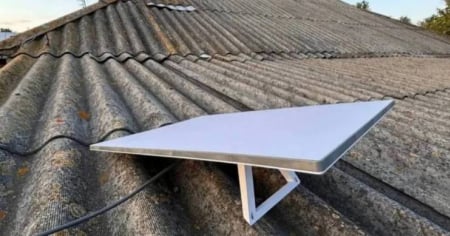
The offensive has also expanded to the realm of technology consumption. Recently, the regime warned that the use of antennas to access the internet without authorization will be severely punished, as it is considered a crime related to the unlawful use of the radio spectrum.
This warning is part of the same logic of institutional control that has characterized the policy of fines, this time aimed at regulating independent access to telecommunications in a context of increasing connectivity and social unrest.
These actions have not been isolated. Last December, the government of Las Tunas had launched a fiscal campaign against the informal economy, imposing hundreds of fines on self-employed workers.
On that occasion, sanctions were reported for alleged irregularities in licenses, price violations, and improper use of public space, based on the same premise of “confronting illegal activities” during times of crisis.
Frequently Asked Questions about Fines and the Economic Crisis in Cuba
How many fines were imposed in Cuba during the first quarter of 2025?
During the first quarter of 2025, a total of 425,012 fines were imposed across the country, amounting to over a billion pesos, according to figures published by the official newspaper Granma.
Which Cuban provinces recorded the highest number of fines?
The provinces with the highest number of fines were Havana, Santiago de Cuba, Camagüey, and Holguín. However, the report does not specify the most common reasons or the profile of those fined.
How has the use of digital payments impacted fine collection in Cuba?
The increase in the use of digital payments has significantly contributed to the rise in fine collection, now representing 25.4% of the total, which amounts to 179 million pesos. This has been particularly aided by platforms like Transfermóvil.
What measures does the Cuban regime take if a fine is not paid within the established deadline?
Sanctioned citizens have a period of 60 days to pay the fine: the first 30 days at the original amount and the following 30 days at double. Starting from day 61, enforcement mechanisms such as wage garnishment will be activated.
How does the fines policy relate to the regime's control over the informal economy in Cuba?
The fine policy is used as a tool for control and pressure on the informal economy, which has intensified with operations aimed at eliminating irregularities in kiosks and illegal sales points. This strategy seeks to maintain strict control over economic activity, negatively impacting vulnerable sectors that depend on the informal economy.
Filed under: