
Related videos:
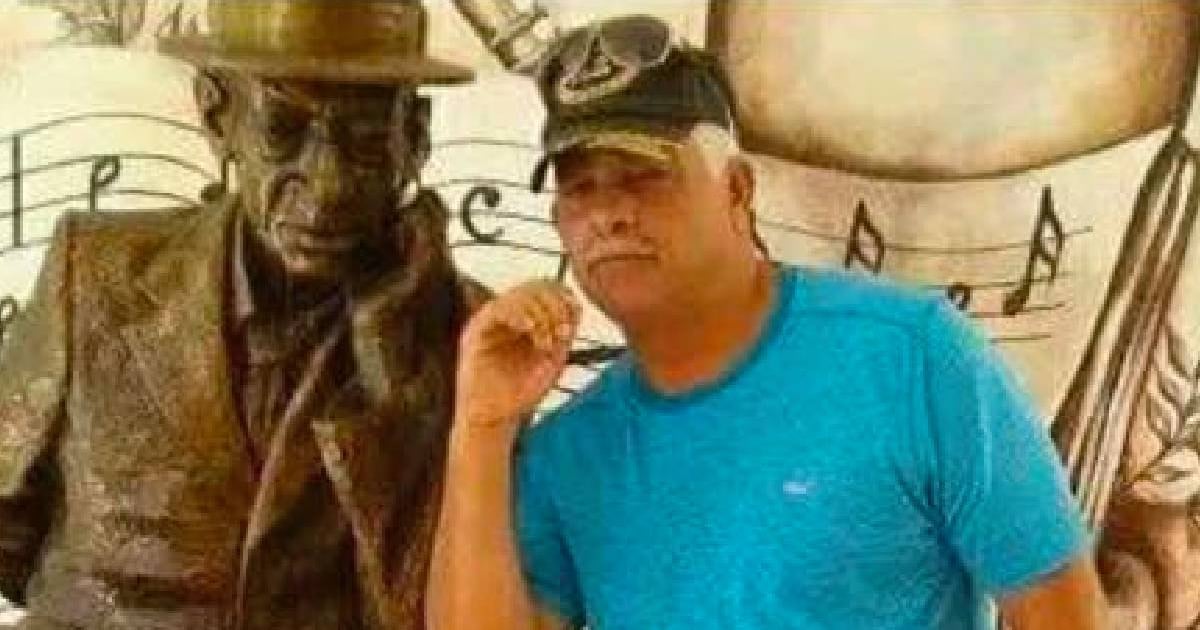
The repressor of the Cuban regime, Eduardo Velázquez Infante, known as "Major Eduardo," voluntarily left the United States and is currently in Puerto Padre, in the province of Las Tunas, as confirmed by the Foundation for Human Rights in Cuba.
His departure, which occurred in early April, came after he was included on a list of alleged human rights violators submitted by Congressman Carlos A. Giménez to the Department of Homeland Security (DHS), the agency stated in a post on X.
Velázquez, 55 years old, arrived in the U.S. in March 2023 under the humanitarian parole program sponsored by the Joe Biden administration, as confirmed by the independent outlet CubaNet.
The benefit was granted with the sponsorship of a sister residing in the country, although the measure is intended to protect individuals persecuted for political reasons, which activists and members of the exile community consider a fraudulent use in this case, the note emphasizes.
"A repressor from our list has self-deported," celebrated Congressman Carlos Giménez on his X account. "His parole status prevents him from returning," he emphasized.
Velázquez Infante was an operative official of the Ministry of the Interior (MININT) in the province of Las Tunas from 1991 until his retirement in 2018. During that time, he participated in numerous operations against dissidents and opposition activists.
After moving to the reserves, he took a civilian position at the Guiteras central as the assurance chief, although he was still identified as an agent linked to State Security.
Shortly before leaving Cuba, he deleted his social media profiles, a sign that, according to activists, indicates his attempt to erase traces of his repressive past.
Her inclusion on the list submitted to the DHS led to increased legal and media scrutiny, which likely prompted her voluntary departure from the U.S., especially after Giménez's calls for exiles in the U.S. to report the repressors who had settled within the community.
The self-deportation of Velázquez Infante occurs just a few weeks after Misael Enamorado Dager, former first secretary of the Communist Party in Granma and Santiago de Cuba and a member of the Central Committee of the PCC, allegedly also returned to the island after being publicly denounced.
Enamorado had entered the U.S. on humanitarian parole and was living in Houston, Texas, with his son. He never obtained permanent residency.
Both cases have been reported by the Cuban exile community as examples of migratory impunity, as they believe that repressors and former communist leaders are trying to take advantage of U.S. laws to establish themselves as if they were victims of the system they helped uphold.
"First, they live off the people, then they abandon them, and when they are not welcomed back, they return to enjoy their privileges in the dictatorship they helped sustain," denounced journalist Mario Pentón, who has documented both cases along with activist Luis Domínguez from the organization Cuba al Descubierto.
The whistleblowers believe that these cases represent symbolic victories, but also clear warnings: those who have held positions of power within the repressive apparatus of the Cuban regime should not be eligible for immigration benefits such as humanitarian parole or the Cuban Adjustment Act.
“The perpetrators against the Cuban people cannot expect to seek refuge in the United States as if they were political prisoners. That behavior will not be tolerated,” concluded Pentón.
The pressure from the exile community and legislative action are starting to take effect in detecting former regime officials who are trying to go unnoticed in the U.S. while fleeing social and political scrutiny.
Frequently Asked Questions about the Self-Deportation of Cuban Repressors in the U.S.
Why did Eduardo Velázquez Infante self-deport from the United States?
Eduardo Velázquez Infante, known as "Major Eduardo," self-deported from the U.S. after being included on a list of alleged human rights violators submitted to the Department of Homeland Security. His departure was prompted by increasing legal and media scrutiny. After having benefited from the humanitarian parole program, his presence in the United States was questioned due to his history as an operational officer in the Ministry of the Interior in Cuba, where he participated in operations against dissidents.
What consequences does a Cuban repressor face when self-deporting from the U.S.?
By self-deporting, a Cuban repressor like Eduardo Velázquez Infante loses any residency permits in the U.S., and his parole status prevents him from returning. This situation means that he cannot benefit from immigration programs such as humanitarian parole or the Cuban Adjustment Act. Furthermore, his return to Cuba may be subject to scrutiny due to his history and the public accusations made against him.
How does the self-deportation of Cuban repressors affect the exiled community in the U.S.?
The self-deportation of Cuban repressors represents a symbolic victory for the exiled community in the U.S., which has condemned the presence of former officials of the Cuban regime in the country. The exiled community believes that these individuals should not benefit from U.S. laws created to protect the victims of the Cuban dictatorship. Furthermore, these cases highlight the need for stricter immigration filters to prevent repressors from attempting to settle in the U.S. as if they were political prisoners.
What measures are being taken in the U.S. to prevent the entry of Cuban repressors?
The Department of Homeland Security and the U.S. Congress, with the support of lawmakers like Carlos Giménez, are increasing pressure to identify and deport Cuban oppressors who have entered the country through fraudulent means. This includes the creation of lists of suspected human rights violators and the formal request for the deportation of those linked to the Cuban regime. There is also a push for citizen collaboration to report individuals who have participated in repression in Cuba.
Filed under: