
Related videos:
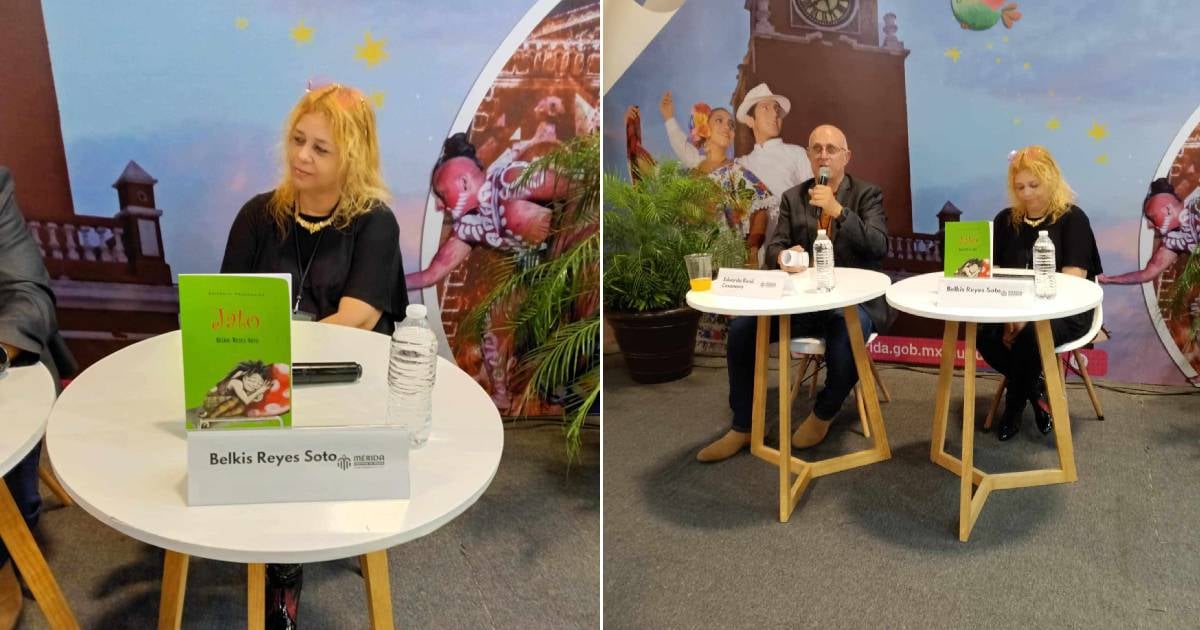
The Primigenios Publishing House, based in the United States, publicly denounced this weekend that Cuban writer Belkis Reyes Soto has been a victim of harassment and intimidation by agents of the State Security (SE) of Cuba during her participation in the International Book Fair of Mérida, Yucatán, Mexico.
In an official statement on the social media platform Facebook, signed by Eduardo René Casanova Ealo, director of the publishing house, he expresses "deep concern and rejection" regarding the events that— as detailed— have included anonymous phone calls, intimidating interrogations, and covert visits to both the author and her family on the island, including her minor daughter.
“Enough with the harassment and intimidation.”
"Critical thinking, literature, and art are fundamental pillars of any nation that takes pride in calling itself cultured," states the communiqué, which demands that Cuban cultural and state authorities ensure respect, integrity, and freedom for writers, both inside and outside the country.
Primigenios also emphasizes that the author has a valid permit to remain outside of Cuba, so any attempts to criminalize or pressure her constitute, they assert, a “serious violation of her integrity and the free exercise of her artistic and cultural work.”
"From our position as a publishing house, we reaffirm our commitment to freedom of expression, human dignity, and the defense of the right to create without fear or reprisal," the text concludes.
Context: control over Cuban artists abroad
The case of Belkis Reyes Soto is not isolated. Various Cuban artists and intellectuals have reported in recent years pressures from the Cuban security apparatus to monitor, silence, or punish cultural expressions deemed "uncomfortable" for the regime.
This episode takes place in a context where the surveillance of independent writers, musicians, and journalists has been ongoing, even when they reside or travel abroad with legal permits.
Frequently Asked Questions about the Harassment of Cuban Writers and Repression in Cuba
What has happened to the Cuban writer Belkis Reyes Soto at the Mérida Book Fair?
The Cuban writer Belkis Reyes Soto has been a victim of harassment and intimidation by agents of the Cuban State Security during her participation in the International Book Fair in Mérida, Mexico. This harassment has included anonymous calls, intimidating interrogations, and undercover visits to her family in Cuba.
What is the context of the repression against Cuban artists abroad?
The case of Belkis Reyes Soto is set against a backdrop where the surveillance of independent Cuban writers, musicians, and journalists has been constant, even when they reside or travel abroad with legal permits. The Cuban regime seeks to silence cultural expressions deemed "inconvenient."
What legal measures does the Cuban regime apply against critical journalists and artists?
The Cuban regime employs a repressive legal framework to criminalize independent journalism and critical artistic expressions. This includes Article 143 of the Penal Code, which accuses those receiving external funding of "mercenarism," as well as Decree Laws 370 and 35. Furthermore, the recent Social Communication Law restricts freedom of expression by recognizing only media affiliated with the Communist Party.
How does the repression of the Cuban regime affect freedom of expression?
The repression of the Cuban regime severely limits freedom of expression, using tactics of psychological torture and coercion to silence critics, force resignations, and obtain "confessions." These actions aim to dismantle any critical initiative against the regime, impacting journalists, artists, and activists alike.
Filed under: