
Related videos:
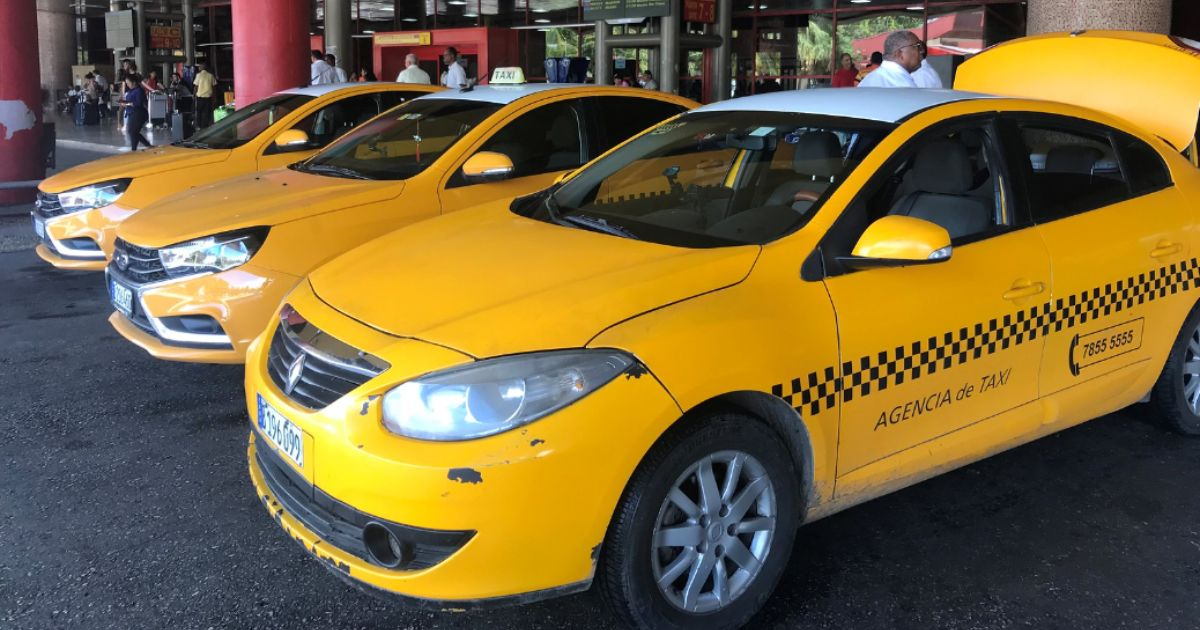
In a city where transportation is scarce and fuel has become a limited resource, taxi drivers in Guantánamo, some of whom are self-employed under contract, have revived an initiative that makes a difference: solidarity transportation.
This initiative, launched by the Empresa Cubataxi Guantánamo, aims to ease passenger transport, especially in high-demand areas, by offering free rides during the early hours of the day, reported the official newspaper Venceremos.
According to Madelay Santiago Rodríguez, the provincial director of the taxi agency, the service utilizes vehicles designated for transporting dialysis patients.
When they do not have assigned shifts or finish their medical route, the drivers make up to three morning trips at no cost, covering the route between Pedro Agustín Pérez and Ramón Pintó streets to the General Teaching Hospital and back.
Hemodialysis is a vital treatment that requires systematic attention, and its transportation is managed by state companies such as Cubataxi.
However, in Guantánamo, the drivers themselves, many of whom are self-employed under contract, have extended their commitment beyond what is obligatory, also providing support to other citizens when they have available shifts.
Although the idea is not new, its implementation directly depends on the availability of fuel.
It includes regular taxis (yellow and black), high-comfort taxis (yellow and white), and nine combustion tricycles.
Electric vehicles, although they total 25 throughout the province, do not form part of this solidarity service.
In addition, for this year, the agency plans to expand its fleet of electric tricycles with 15 new units: 10 for Guantánamo and five for Baracoa.
A parallel story, but no less inspiring, is that of Ricardo Palmero, a taxi driver from Sancti Spíritus who has been helping kidney patients for nearly 40 years.
Since 1986, he has consistently and dedicatedly supported patients at the Camilo Cienfuegos Hospital, being a witness and emotional support in many of their battles against illness. "They are not just clients; they are human beings who are suffering," Palmero stated.
In an emotional gesture of solidarity, the Electric Tricycles Club of Havana offered free transportation to patients and their families from the Oncology Hospital of Havana in March, an initiative that was part of the celebration of the group's second anniversary.
“It will have all its motorcycles available for the families and patients of the oncology hospital in order to facilitate transportation to and from their visits,” announced Georkys González Abad, a member of the club, through a post in the group Facebook “Club Triciclos Eléctricos Habana.”
Frequently Asked Questions about Solidarity Transport in Guantánamo
What does the solidarity transportation initiative in Guantánamo consist of?
The solidary transport initiative in Guantánamo offers free rides to hemodialysis patients using taxis that, when not assigned to medical shifts, make up to three morning trips at no cost to cover routes to the General Teaching Hospital.
What types of vehicles are involved in solidarity transportation in Guantánamo?
In the solidarity transport service, regular taxis, high-comfort taxis, and nine combustion tricycles participate. Electric vehicles are not part of this solidarity service, although there are plans to increase the number of electric tricycles in the province.
How does the fuel shortage affect solidarity transport in Guantánamo?
The implementation of solidarity transport directly depends on the availability of fuel. This limitation affects the ability to provide this service continuously and effectively.
Are there similar solidarity transport initiatives in other parts of Cuba?
Yes, in Havana, the Electric Tricycles Club of Havana organizes free transportation for patients and their families from the Oncology Hospital. These acts of solidarity reflect citizen empathy in light of the transportation difficulties in the country.
Filed under: