
Related videos:
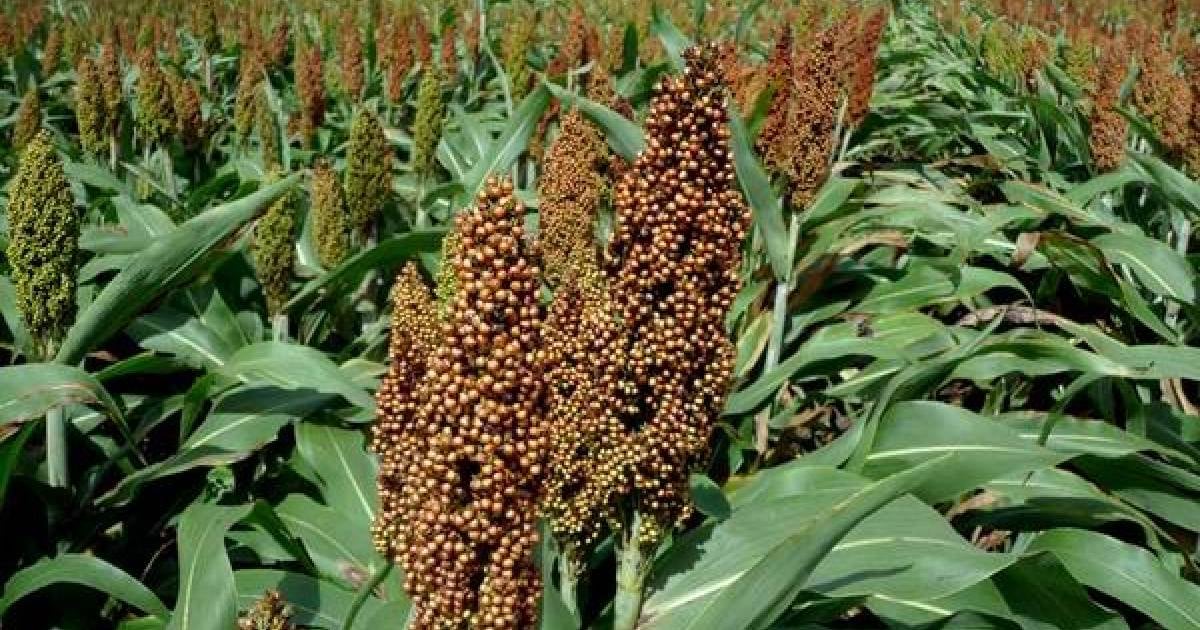
A project to introduce and expand the sorghum cultivation for food purposes has started in the province of Sancti Spíritus, aiming to specifically benefit celiac individuals, including 42 children diagnosed with the condition in the region.
The Pastures and Forages Science and Technology Unit in the central province promotes this program, which could become a local agricultural solution to a chronic and overlooked medical need in Cuba: a safe and accessible diet for celiac patients.
The plan includes evaluating more than 25 varieties of the cereal, some donated by Vietnam and others from the Agricultural Research Center of Villa Clara, with the aim of producing gluten-free flour suitable for making bread, sweets, and other foods for those who cannot consume wheat, barley, rye, or oats, the provincial newspaper Escambray reported.
“We have all the necessary conditions in place to evaluate the germplasm (the collection of genetic material) of sorghum and to move forward with this project. Moreover, the ideal conditions for assessing its cultivation can be found here, both in dryland and irrigated conditions,” assured José Ángel Nápoles Gómez, provincial director of Pastures and Forages.
He explained that the project is supported by the Central University Martha Abreu of Las Villas, which has "significant experience in this area, that has been spreading throughout the country, particularly in the central region."
The official noted that, in addition, a productive "linkage" is anticipated with the state-owned company Labiofam, which would handle the grinding of the grain, and with the food industry, which would process these products in accordance with health regulations.
Escambray emphasized that the promotion of sorghum as a human food is supported by the experience accumulated in Villa Clara, recently presented at a scientific workshop in Sancti Spíritus.
The celiac disease is an autoimmune disorder in which the consumption of gluten—found in wheat, barley, rye, and certain types of oats—damages the small intestine. The condition hinders nutrient absorption and is only managed by a strict gluten-free diet.
If it is already difficult in Cuba for its residents to access rich and balanced food, the situation is even worse for those who have been diagnosed with celiac disease.
In the country, there are around 900 people diagnosed with celiac disease; however, it is estimated that there may be others who remain asymptomatic, noted the official newspaper Granma in May 2024.
In 2020, a report published in Juventud Rebelde highlighted the challenging situation faced by individuals who are unable to consume products such as bread, cookies, pizza, noodles, sweets, milk, ice cream, cold cuts, and instant soups, among others.
At that moment, the publication reported only four bakeries-confectioneries specialized in the country for producing gluten-free products: in Havana, Villa Clara, and Santiago de Cuba, with one about to open in Holguín. Together, they were expected to ensure production for patients in the other provinces.
However, in 2022, Yanilys Sariego, the mother of a child with celiac disease, denounced the high cost of the foods that the government sells for these patients, some of which are priced in foreign currency and very expensive, and demanded her right to have a dignified life in Cuba.
Sariego revealed that a package of gluten free spaghettis was sold at that time for 4.17 MLC, a gluten free sauce for 2.17 MLC, a can of corn weighing 285 grams for 1.92 MLC, and a bunch of green beans not exceeding one pound was marketed in agricultural markets for 50 Cuban pesos.
In recent years, private sector ventures have emerged in Cuba that produce healthy food and cater to the needs of individuals with various health conditions, including celiac disease.
Frequently Asked Questions about Sorghum Cultivation and Its Impact in Cuba
Why is the Cuban government promoting the cultivation of sorghum?
The Cuban government is promoting the cultivation of sorghum with the aim of providing a gluten-free food alternative for people with celiac disease, especially children, in a context where accessing gluten-free products is complicated and costly in Cuba.
How is the implementation of sorghum cultivation planned in Sancti Spíritus?
The project in Sancti Spíritus includes the evaluation of more than 25 varieties of sorghum to produce gluten-free flour. This will be carried out with the support of the Central University Martha Abreu of Las Villas and aims to establish a productive linkage with the state company Labiofam.
What challenges do people with celiac disease face in Cuba?
People with celiac disease in Cuba face difficulties accessing gluten-free foods, as they are scarce and expensive, often sold in foreign currency. This adds to the already complicated food situation in the country, where malnutrition is a common issue.
How does the sorghum project compare to other agricultural initiatives in Cuba?
Unlike other projects such as the production of cassava flour in Camagüey, the cultivation of sorghum focuses on providing a food solution for a specific medical need. Both initiatives reflect the Cuban government's attempt to alleviate the shortage of basic foods in the country.
Filed under: