
Related videos:
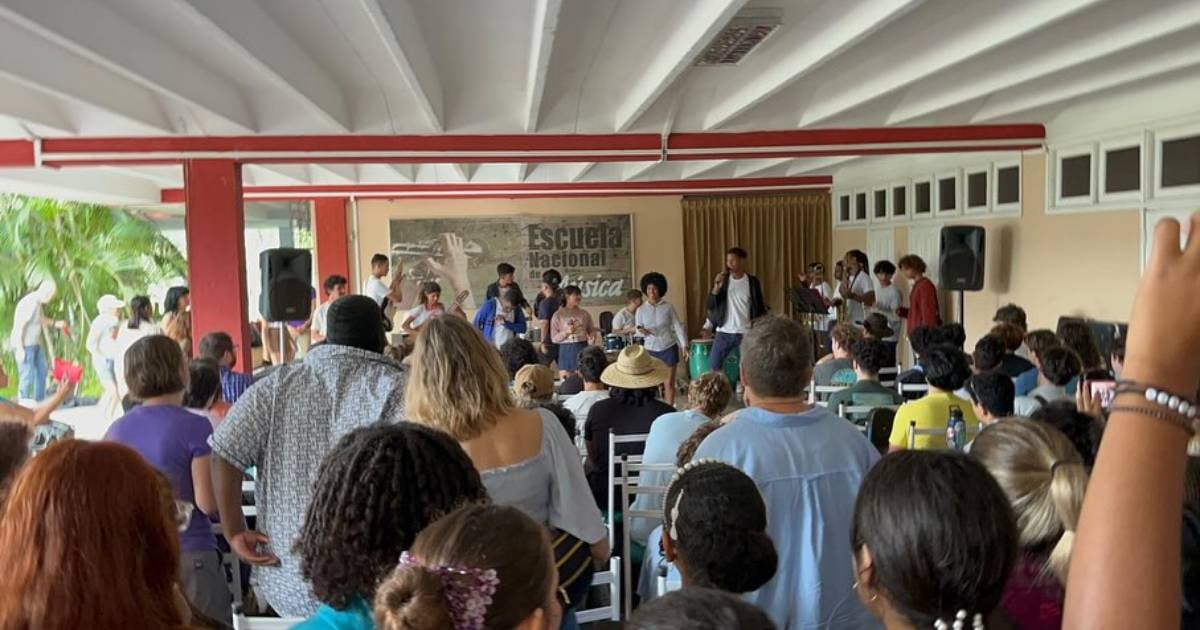
A group of students from the Escuela Nacional de Arte (ENA) in Cuba was unable to attend an anticipated cultural exchange with students from Berkeley High School (BHS) in California due to the denial of their visa applications to enter the United States.
According to the information published in The Berkeley High Jacket, a student newspaper from BHS, the meeting was part of an exchange program that has been allowing BHS jazz students to travel to Cuba for years to meet and collaborate with their peers from ENA.
In this instance, it was planned for the Cuban students to reciprocate the visit and experience life in the United States. However, despite months of preparation, the visa applications were denied, frustrating the anticipated reunion.
The news hit the BHS jazz community like a bucket of cold water, with members deeply mourning the situation. "It's very sad because they probably won't be able to come here for a long, long time due to political conflicts,” stated Nicolás Hernández, bassist and senior at the school.
Sarah Cline, director of the BHS Jazz program, attributed what happened to the new immigration policies of the Donald Trump administration.
He recalled that in January 2025, a new immigration ban was implemented that places Cuba on the list of countries with total restrictions, prohibiting all travel from the island. Additionally, the validity of B-2 visas for Cuban citizens had been reduced to just three months since 2019, significantly tightening the process.
The measure also emotionally impacted young Americans, who reflected on the deep disparities in international mobility. "In Cuba, they were struggling to find a good bow for a violin or extra strings for a guitar, while we have incredible facilities here," commented Tanvi Kumar, a BHS student.
Frustration was even greater considering that, in January 2024, the BHS students visited Cuba and were warmly welcomed by their peers from ENA.
"Another incredible day in Cuba. Today we had the opportunity to take lessons from the amazing teachers at ENA and listen to the students of Cuban musicians. Thank you ENA for an amazing day!" shared the young Americans on that occasion, highlighting the warm welcome and the value of the musical exchange.
During that visit, in addition to taking lessons with Cuban teachers and attending recitals, the young Americans donated instruments, stands, and musical supplies to the ENA, a gesture made possible through a fundraising campaign in their community.
Despite the setback, the students and professors from Berkeley expressed their desire to keep the cultural and musical relationship alive with their Cuban counterparts. "We learn a lot from each other when we have the opportunity to be together," Cline stated.
Cultural and educational exchanges between the United States and Cuba have historically been an important avenue for rapprochement between the two peoples, but they have also been subject to bilateral political tensions.
During the Barack Obama administration, policies were promoted that facilitated academic and cultural exchanges. However, with the arrival of Donald Trump to the presidency in 2017, these policies were reversed, imposing new restrictions. In 2019, the U.S. government eliminated the authorization for educational travel for "people-to-people" exchanges, significantly limiting interactions.
In 2021, the Joe Biden administration prohibited the United States government from allocating funds for educational and cultural exchange programs with Cuba, due to concerns related to the hiring of Cuban medical missions.
These restrictions have had direct consequences on specific initiatives. For instance, in April 2025, the U.S. State Department thwarted a trip by the Clark College jazz band to Cuba, considering it incompatible with the current policy towards the island. Similarly, dozens of visa applications in various categories have been suspended, affecting exchanges in sectors such as culture, education, science, and sports.
Despite these obstacles, some cultural and academic exchange programs have managed to survive, albeit on a much smaller scale. For instance, in March 2025, a group of students from Minnesota West and Normandale community colleges traveled to Cuba as part of an intercultural communication class.
During a week, they traveled through key areas of Havana, aiming to learn about the history, culture, and daily life on the island. However, these types of trips have been restricted by the political context and the official mediation of the Cuban State.
Filed under: