
Related videos:
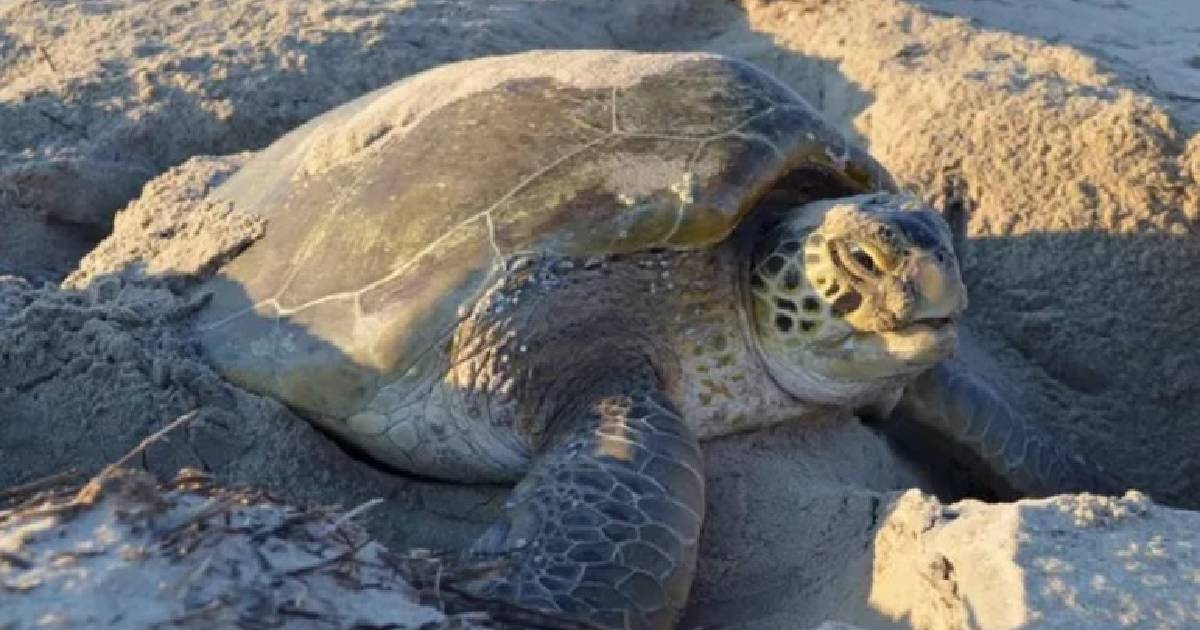
The coast of Florida officially began the annual sea turtle nesting season on May 1, which will continue until October 31. With this, local authorities are urging residents and tourists to not disturb the marked nests or approach the turtles, as they are protected by state law.
“The most important thing that those going to the beach need to understand is not to interfere with sea turtles or their nests (which are marked with a small sign and plastic tape). In fact, it is illegal to do so because both are protected by state law,” noted the Facebook page of the Florida city of St. Pete Beach.
"Please be careful not to enter the marked nesting area, and if you encounter a sea turtle, give it plenty of space and do not touch it," the post urged.
During this time, hundreds of females return to the dark beaches where they were born to lay their eggs, and weeks later, the hatchlings use the reflection of the sky to find the ocean. Any source of artificial light can be fatal.
The warning is clear: do not touch, shine lights on, or use flash photography on the turtles, as these actions disorient their sense of direction and can prevent them from returning to the sea.
The key rules promoted by habitat advocates are simple:
- Clean: Leave nothing but footprints. Place trash or recyclables in the proper recycling, dispose of food waste correctly, and be careful not to leave toys or clothing or allow them to escape into the water.
- Dark: Sea turtles nest on dark beaches because it gives their offspring a greater chance of survival. When the babies hatch, they follow the reflection of the night sky in the water, so artificial lighting can greatly disorient them.
- Plan: sand mounds and holes can pose a significant obstruction for sea turtles. A baby sea turtle can fall into even the smallest hole, and if they are trapped there after sunrise, they are likely to die.
The page also reminded that sea turtles cannot walk backward, so a mother that becomes stuck on an artificial obstacle may give up trying to nest or leave her eggs too close to the water.
The city of St. Pete Beach and the National Park Service urge collaboration for the conservation of this endangered species by respecting marked areas and helping to keep the beaches safe and natural.
Sharing good practices with the hashtag #cleandarkflat is also part of the awareness campaign, while inviting people to seek more information about sea turtle safety and best practices.
Florida shows successful results in the preservation of the green turtle. According to the National Oceanic and Atmospheric Administration (NOAA) of the United States, the number of turtles nesting in the state has increased following years of efforts aimed at protecting nesting beaches, reducing bycatch in fishing, and prohibiting their capture.
On the beaches of Florida, three species regularly nest, including the so-called leatherback turtles, the largest of all sea turtle species found in the world, according to experts from the Loggerhead Marinelife Center.
In May 2024, specialists returned two loggerhead turtles to their natural habitat in the ocean, after recovering from their injuries at this institution in Juno Beach, in the southern part of the state.
Frequently asked questions about sea turtle nesting in Florida
When is the sea turtle nesting season in Florida?
The sea turtle nesting season in Florida begins on May 1 and runs until October 31. During this period, females return to the beaches where they were born to lay their eggs, so it is crucial not to disturb the nests or the turtles.
Why is it important not to interfere with sea turtle nests?
Interfering with sea turtle nests is illegal in Florida because they are protected by state law. Any alteration can affect the development and survival of the hatchlings. Additionally, sources of artificial light can disorient turtles, preventing them from returning to the sea.
What are the recommendations for protecting sea turtles during the nesting season?
The recommendations include keeping the beaches free of debris, ensuring that the beaches remain dark to prevent disorienting the hatchlings, and leveling the sand to avoid obstacles. It is essential not to touch, shine lights, or photograph the turtles with flash. Respecting these guidelines helps ensure the success of nesting.
What species of sea turtles nest on the beaches of Florida?
On the beaches of Florida, three species of sea turtles regularly nest, including leatherback turtles. Leatherback turtles are the largest of all sea turtle species and are a symbol of the biodiversity that Florida's beaches strive to protect.
Filed under: