
Related videos:
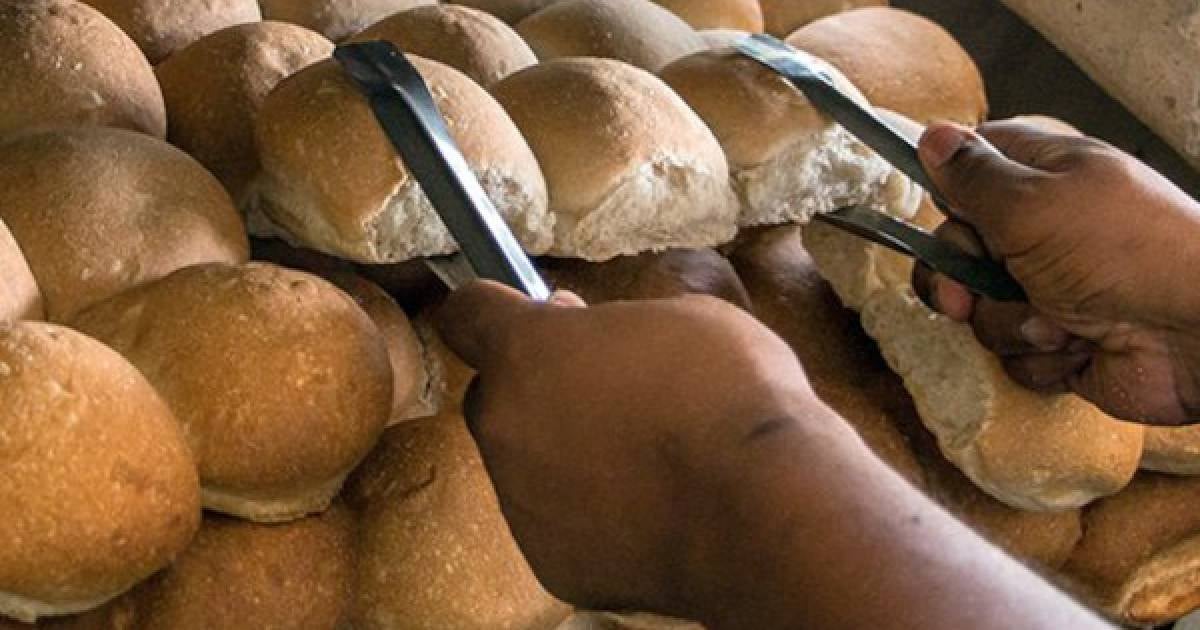
The standard bread, which should be sold daily as part of the family basket, continues to be irregularly available in the stores of Camagüey due to the chronic shortage of flour, and although the issue has been known for months, there is no solution or concrete deadlines in sight.
Luis Camacho, provincial director of the Food Company (EPIA), stated bluntly: “The low amounts received in the territory hinder compliance with the established deliveries of a high-consumption product,” according to a report from the newspaper Adelante.
The province needs more than 36 tons of wheat flour daily, and what arrives is not even enough to meet the basic requirements. The consequence is clear: most consumers cannot eat bread.
The official response has been to prioritize hospitals, schools, and the Family Care System (SAF). The rest will have to wait.
The same thing happened at the end of 2024, when the weight of the bread was reduced from 80 to 60 grams and the price was lowered to 75 cents, with the argument of "increasing the days of coverage." Not only was that never achieved, but "technological situations and wheat availability forced the interruption of the production of the coveted food," according to the press outlet.
Cuba needs 20,000 tons of flour each month just to produce the regulated bread. If that amount is not guaranteed, the result is what is currently happening: store after store without bread, and families who rely on that daily food facing even more shortages.
Authorities are now suggesting prioritizing the school segment up to 13 years old, "until the necessary figures can be obtained," but even that will be conditional, "with a frequency always subject to the feasibility of resources," according to the source.
Meanwhile, the promise is repeated: "By the end of the month, the supply might improve." Might. But this is not the first time they've said it. The question that remains unanswered is: how long will the absence of regulated bread continue in a country where the ration book is still the foundation of daily nutrition?
Camagüey joins the group of provinces where bread production has once again become critical, due to limitations on the arrival of wheat to the country, leaving thousands of citizens without access to bread, one of the most basic foods in the daily diet of Cubans.
The authorities in the eastern province of Guantánamo have decided that starting May 9, , along with prioritized social institutions such as hospitals, educational centers, and the Family Care System.
In the case of Santiago de Cuba, the authorities improvised a rotating distribution system: each time a truck with flour arrives from Havana, it is decided which municipality will receive it, while the others wait, with no certainty of when they will be able to bake again. In this area, the price of the food has reached 50 pesos for a single “ball” (unit).
In Havana, the crisis in the distribution of regulated bread has caused a wave of discontent among the population. In municipalities such as Guanabacoa, Regla, Boyeros, and Plaza de la Revolución, many residents reported going days without receiving this basic food item. In other areas, deliveries are reported to be below the legally established weights or with unpredictable distribution schedules.
This is compounded by the terrible appearance and flavor of the product, which is characterized by hard, poorly baked, deformed masses and even has a cockroach-like smell.
Even the official Cuban press has questioned the anarchy surrounding bread prices, reporting on everything from street vending to unregulated and unprotected manipulation.
Due to the disruptions in electricity and gas services, a bakery in the Centro Habana municipality had to resort to firewood to ensure the baking and delivery of regulated bread to the population.
While at the bakery La Piña, in the municipality of Los Arabos, in Matanzas, croquettes and plantain chips have been offered as alternative products to compensate for the shortage of bread and other essential items in the daily diet.
The bread crisis in Cuba has sparked a wave of reactions of outrage, distress, and skepticism on social media, where dozens of users are questioning the impact of the increased rationing on adolescents, the elderly, pregnant women, and the sick—groups that are especially vulnerable in the current context of food crisis.
Frequently Asked Questions About the Bread Shortage in Cuba
Why is there a shortage of regulated bread in Camagüey and other provinces of Cuba?
The shortage of regulated bread in Camagüey and other Cuban provinces is mainly due to the lack of wheat flour, a chronic problem affecting the daily production of this basic food item. The country requires 20,000 tons of flour per month just for regulated bread, a figure that is not being met. This situation has resulted in many stores running out of bread, leaving thousands of families without access to this essential food.
What measures are the authorities taking to address the shortage of bread in Cuba?
Authorities have prioritized the supply of bread to hospitals, schools, and the Family Care System (SAF). Additionally, a rotating distribution system has been implemented in some provinces, such as Santiago de Cuba, to distribute the flour arriving from Havana, although there are no guarantees on when each municipality will receive its turn. However, these measures have not addressed the underlying situation, and there are no concrete timelines for a definitive solution.
How does the bread shortage affect the Cuban population?
The scarcity of bread severely impacts the Cuban population, especially the most vulnerable groups such as children, the elderly, and pregnant women, who rely on regulated bread as part of their daily diet. The lack of this essential food has generated outrage and discomfort among the population, which is struggling to meet its nutritional needs. Furthermore, the quality of the available bread is poor, and prices in the "liberated" market are unaffordable for many.
What is the economic impact of the bread shortage in Cuba?
The shortage of bread has a significant impact on the Cuban economy, as the lack of flour and the inability to produce enough bread for daily consumption reflect a crisis in the food supply system. This not only affects the availability of the product but also increases costs, both for the state and for consumers, who must turn to the informal market, where prices are much higher.
What alternatives are Cubans considering in response to the shortage of bread?
In the absence of bread, some Cubans are turning to alternatives like croquettes and tostones, which are being offered in certain bakeries as a substitute for bread. However, these alternatives are not enough to replace the regulated bread that is a daily staple in the diets of Cubans, which is increasing food insecurity in the country.
Filed under: