
Related videos:
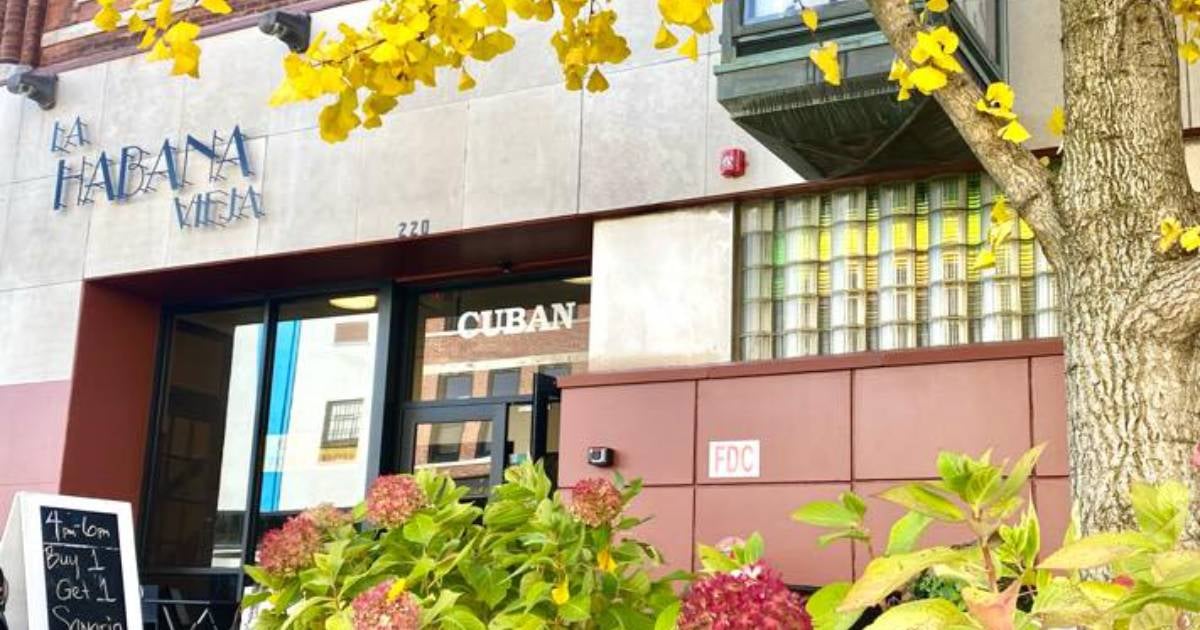
The Cuban restaurant "La Habana Vieja," a gastronomic landmark in the city of Springfield, Missouri, closed its doors this Wednesday, May 14, after nearly four years of operation.
The decision was made after several of its Cuban employees lost their legal work permits in the United States, as a result of a recent measure by the federal government led by Donald Trump.
In a letter published on May 13 on the official Facebook page of the restaurant, the management explained that the revocation of work permits left the affected workers with no alternative, who were forced to leave their positions and, in some cases, the country.
“The kitchen and the bar were primarily staffed by Cubans who worked tirelessly to achieve their share of the 'American Dream.' However, in recent days, our government has decided to revoke their ability to work, thereby forcing their departure from Old Havana and the United States,” stated the management comprised of Ted Tabor, Freddie Flores, and Hope Choate.
The last day employees could work legally was Wednesday, May 14. Consequently, that same day the final dinner was served at the restaurant, followed by its permanent closure. "We will miss your support for this restaurant." concluded the emotional farewell.
A farewell filled with gratitude
On the final night of service, the restaurant experienced an emotional evening. This was recounted by Freddie Flores, one of the managers and the face of the establishment alongside his wife Geydi “La Cubana”, in a message posted on Facebook:
"Our hearts are filled with gratitude for the outpouring of love and support from the large crowd of friends and supporters who attended the celebration, as well as for the numerous Facebook messages and personal notes we continue to receive."
Flores also took the opportunity to pay tribute to the Tabor family, founding partners of the restaurant, for their humanitarian efforts. They not only financed the project from its inception, including the purchase of the building and supplies, but also facilitated travel, accommodation, transportation, and basic resources for the Cuban employees.
"In light of the imminent deportation, the Tabors even purchased a house in Cuba for our friends, ensuring their well-being and providing resources for their survival,” wrote Flores.
Context of the migration decision
The current administration has revoked the work permits granted under the CBP One program, an initiative implemented during Joe Biden's administration (2021-2025) that allowed migrants from countries such as Cuba, Haiti, Nicaragua, and Venezuela to enter the United States legally through scheduled appointments at the border. These permits were linked to a "parole" status that provided them with temporary residency and the ability to work legally.
However, the Department of Homeland Security (DHS) has begun notifying these migrants about the revocation of their legal status and the cancellation of their work permits, urging them to leave the country voluntarily before April 24. Those who do not comply with this order may face expedited deportation proceedings.
The news of the closure had a strong impact in Springfield. The journalist Steve Pokin from the local media Springfield Daily Citizen published a column detailing the impact of the closure and recalling the history of the restaurant on Commercial Street. Pokin emphasized the owners' efforts to provide an authentic Cuban experience in a warm and family-friendly environment.
According to the note, Old Havana was founded with the aim of employing newly arrived Cuban migrants, many of whom were asylum seekers fleeing repression on the island. The combination of culinary tradition, human warmth, and Caribbean flavor made the restaurant a beloved space for the local community.
“This place offered much more than food: it was music, history, and a cultural bridge between Cuba and Missouri,” commented a regular customer quoted in the note from the Daily Citizen.
Beyond the closure
Although the restaurant has closed its doors, the owners expressed their interest in continuing to support the affected workers and did not rule out a possible return if legal conditions change in the future.
For now, the case of Old Havana adds to a series of stories that illustrate how immigration decisions can affect not only individuals but also the businesses and communities that rely on them.
Filed under: