The recent statements from the Cuban regime regarding the recovery of the national electrical system within a three-year period have sparked a wave of outrage among citizens both inside and outside the island, who expressed their frustration and skepticism towards what they consider yet another empty promise.
The comments on a post from CiberCuba about the topic highlight the accumulated frustration of the population. One user lamented: “In three years, there won't be a Cuban left with mental health. It doesn't matter if they are physically present; there is no longer a brain.”
Another person expressed their despair: “In three years, there will be no human life left in this country. Without an economy, with food shortages, without water... It's better for them to leave. We want to live and give life to our children and grandchildren. Enough already of the abuse, silencing us and forcing us to live in this misery and darkness!”
The lack of credibility in official promises is another recurring point: “They can't guarantee two pounds of rice from one month to the next, are they going to guarantee electricity?”
Some comments were extremely pessimistic or reflected a "harsh realism that's hard to comprehend": “In three years, we’ll be dead. Only they, the fat ones, will remain. For them, there’s plenty of everything. Let’s see who will work for them; the rest of us will be corpses. Cuba is very sad, dark, and full of mosquitoes.”
Other Cubans question the government's management and demand immediate changes: “We don’t want more lies, we want actions and solutions. No one can endure three more years in this situation. People are dying in droves and children are suffering. We need a thoughtful leader who offers solutions, not someone who gives us false hopes.”
"If they haven't done it in 65 years, they won't do it in three years," added another internet user.
How does the regime plan to solve the problem of blackouts?
During a broadcast of the official program Mesa Redonda, the general director of the Electric Union, Alfredo López Valdés, presented a plan that includes the recovery of 500 megawatts (MW) of capacity over the next three years.
The project is based on thermal generation using domestic fuels and renewable sources, and is part of a strategy to reduce reliance on imported fuel.
The official noted that by 2030, 24% of electricity will come from renewable sources such as solar photovoltaic, wind, biomass, and bioelectric.
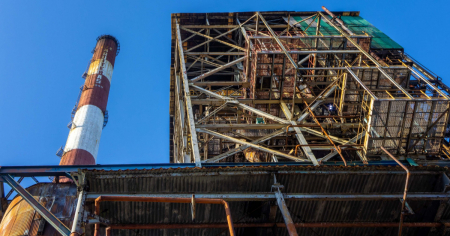
A key project mentioned is the reconstruction of unit 1 of the Felton thermoelectric plant, with a capacity of 250 MW, which was affected by a fire. This will be accompanied by a second unit of the same capacity. Additionally, maintenance work is being carried out on other critical plants such as Renté, Nuevitas, and Mariel.
While the proposed deadline is met, the public is being asked to endure the prolonged blackouts with patience, as there are no signs of improvement in the short term.
Díaz-Canel insists that it is "not impossible" to overcome the crisis
The Cuban ruler Miguel Díaz-Canel responded to the critical situation by reaffirming on the social media platform X that, although the electrical system is in a "serious" state, its recovery is "not impossible."
He attributed the delay to the complexity of the process and the U.S. embargo, reiterating the official narrative that avoids acknowledging the structural collapse of the energy system after decades of disinvestment.
"Yes, the situation of the electrical system is serious, but it is not impossible to overcome. Although its recovery will take some time due to its complexity and the impact of the blockade imposed by the U.S. on access to resources, we are working hard and we will succeed," he wrote.
Frequently Asked Questions about the Energy Crisis in Cuba
What is the Cuban regime's plan to deal with the blackouts?
The Cuban regime has presented a plan to recover 500 megawatts (MW) of capacity in three years, using thermal generation with national fuels and renewable sources. However, the population is skeptical of these promises, considering the lack of effective solutions in the past.
Why is there so much skepticism among Cubans regarding the solution to the blackouts?
Skepticism is due to the lack of credibility in the promises of the Cuban government, which for decades has been unable to resolve structural problems in the electrical system. Unfulfilled promises and a lack of real investment have led citizens to distrust the regime's new statements.
How does the current energy crisis affect the daily lives of Cubans?
The energy crisis has severely impacted the quality of life for Cubans, with extended blackouts lasting up to 20 hours a day. This limits access to basic services such as food, water, and medical care, and has led to rising social discontent and protests in various regions of the country.
What role does the Cuban government play in the energy crisis?
The Cuban government has been criticized for its inefficiency and lack of real solutions to the energy crisis. Although it has promised to work tirelessly to resolve the situation, the absence of a clear strategy and the ongoing reliance on empty rhetoric have generated distrust among the population, which demands effective changes and concrete solutions.
Filed under: