In an unusual gesture of détente amid more than three years of war, Russia and Ukraine conducted their largest prisoner exchange to date on Friday, releasing 390 individuals each.
The exchange marks the first phase of a broader pact that includes the release of one thousand captives from each side.
Ukrainian President Volodymyr Zelensky confirmed that 270 military personnel and 120 civilians have returned to Ukraine after being held in Russian territory.
"We are bringing our people home," celebrated the leader, who announced that the process will continue over the weekend.
For its part, the Russian Ministry of Defense confirmed the return of an equal number of prisoners, including civilians captured in the Kursk region.
The exchange was made possible thanks to a round of negotiations held last week in Istanbul, mediated by Turkey, marking the first direct meeting between delegations from both countries since March 2022.
Although a ceasefire was not achieved, the dialogue left open the possibility for new rounds and a potential meeting between Putin and Zelenski.
The international reaction came quickly.
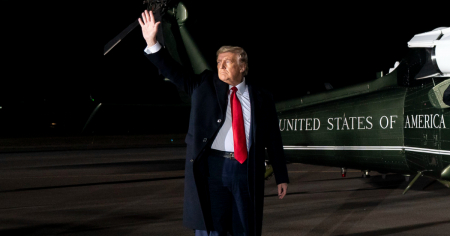
The President of the United States, Donald Trump, wrote on his social media platform Truth Social: "A significant prisoner exchange between Russia and Ukraine has just been completed. It will take effect soon. Congratulations to both sides on this negotiation. Could this lead to something big?" suggesting that this move could pave the way for a ceasefire or broader negotiations.
The publication generated expectations regarding a possible role for Trump as a mediator, although his recent track record concerning the conflict has been inconsistent.
The exchange: a first step after three years without direct contact
The Russian Ministry of Defense confirmed that 270 military personnel and 120 civilians returned to territory controlled by Moscow this Friday. Some of those released had been captured during Ukrainian incursions in the Kursk region, while other civilians had been held for months.
From Kyiv, President Volodymyr Zelensky confirmed the return of 390 Ukrainians, the first phase of the "1000 for 1000" agreement reached with Russia in Istanbul.
"Thanks to everyone who helps, who work 24/7 to bring Ukrainians back home. Crucial for returning all the captives. Checking every surname, information of each person," said Zelensky in a message posted on X.
Turkey as a mediator and a possible ceasefire
The meeting in Istanbul was the first direct negotiation between Ukraine and Russia in over three years, and although there was no agreement for an immediate ceasefire, both delegations addressed "all its modalities." A possible meeting between Putin and Zelenski was also discussed, although no confirmed date was set.
Turkish diplomacy has been one of the few channels still open between the two countries, and on this occasion, it managed to mediate a significant exchange that could pave the way for future negotiations.
Trump and his ambiguous stance: peacemaker or uncomfortable ally of Moscow?
Trump had announced on Monday that Ukraine and Russia would begin negotiations to end the war following a nearly two-hour call with Vladimir Putin.
"Russia and Ukraine will immediately begin negotiations for a ceasefire and, even more importantly, the end of the war," he stated.
But days later, in an unexpected turn of events, the president distanced himself from the conflict, publicly declaring that "it's not my business", which raised concerns among European allies.
Despite having pledged to achieve peace "in 24 hours" if he returned to the White House, Trump’s strategy seems to have shifted towards a trade normalization with Russia, pushing sanctions and military support for Kiev to the background.
"Russia wants to have large-scale trade with the United States when this catastrophic bloodbath ends, and I agree," he wrote in another post.
International analysts indicate that this new approach could fracture NATO's unity at a crucial moment in the conflict.
As the United Kingdom and the European Union intensify sanctions against Moscow, the Trump administration is adopting a more transactional approach, which could be perceived by Moscow as a green light to harden its stance on the battlefield.
A real opportunity for peace?
Although the exchange of prisoners is a positive sign amid the devastation, the prospects for a ceasefire remain uncertain.
Neither Zelenski nor Putin participated in the Istanbul summit, which diminishes the symbolic significance of the agreement, and fighting continues in eastern Ukraine.
Nonetheless, Trump's question - no matter how calculated or superficial it may seem - raises a possibility that still remains alive: could this exchange be the beginning of something bigger? Or is it just a momentary truce in a war that still has no solution in sight?
Frequently Asked Questions about the Prisoner Exchange between Russia and Ukraine and Trump's Role
How many prisoners were exchanged between Russia and Ukraine?
Russia and Ukraine exchanged 390 prisoners each, as part of a broader agreement to exchange 1,000 prisoners per side. This exchange is a significant step in the negotiations between the two countries after three years of tensions.
What was Trump's reaction to the prisoner exchange between Russia and Ukraine?
Donald Trump reacted positively to the prisoner exchange, highlighting the importance of negotiations and the potential of this event to lead to something significant in the peace process. Trump has been engaged in discussions with Putin and Zelensky, seeking to move towards a diplomatic solution to the conflict.
What implications does the exchange of prisoners have for the conflict between Russia and Ukraine?
The exchange of prisoners is an important step towards de-escalating the conflict. This gesture could facilitate future negotiations and help build trust between the parties. However, many challenges and disagreements still exist that must be resolved to achieve lasting peace.
What role has the United States played in the negotiations between Russia and Ukraine?
United States, under the Trump administration, has played a mediating role between Russia and Ukraine. Trump has held discussions with both leaders, aiming to establish a ceasefire and move towards a peace agreement. Additionally, he has pushed for the cessation of military aid to Ukraine as part of the conditions to prevent an escalation of the conflict.
Filed under: