
Related videos:
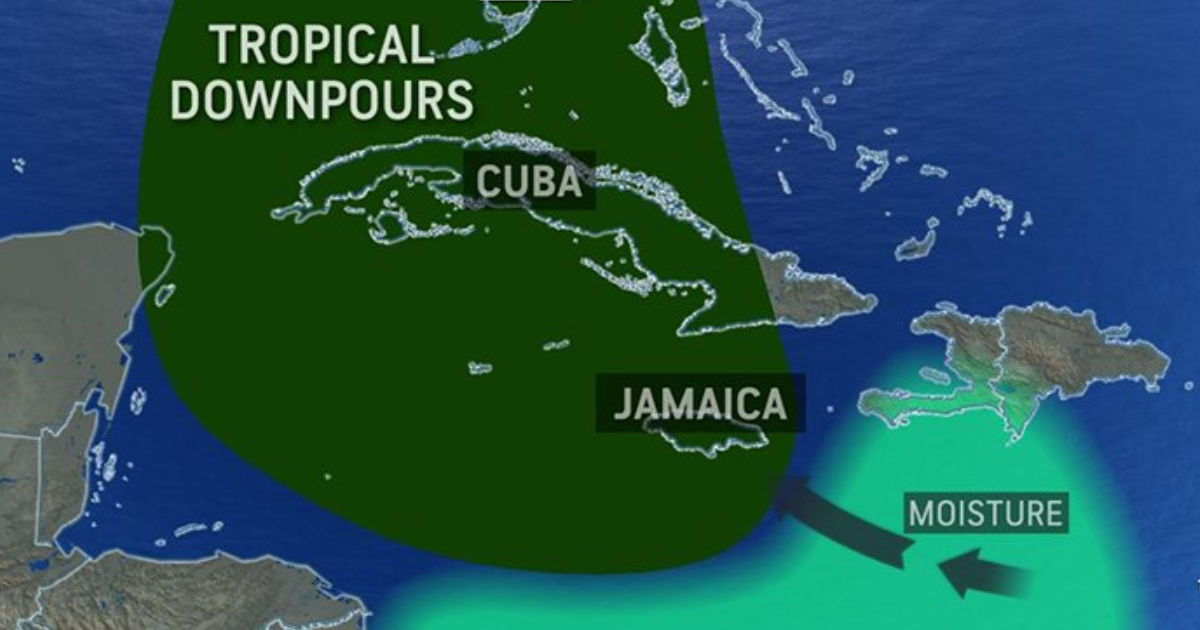
With the official start of the Atlantic hurricane season on June 1st, meteorologists from AccuWeather are monitoring several areas near the southern United States, Central America, and the Caribbean, including the waters near Cuba, for possible tropical developments in the early days of the month.
According to the group's page, Dan Pydynowski, senior meteorologist at AccuWeather, stated that they are monitoring a band stretching from the waters of Florida to the Bahamas and Cuba.
This area could generate rainfall and thunderstorms that would help alleviate the dry conditions over the Florida peninsula. Although the formation of a tropical cyclone in the coming days is unlikely, this could change if a weak disturbance develops in the region.
Possible activity in the Central and Western Caribbean
A few days later, a combination of a stationary front, moisture accumulation, and possibly a tropical wave in the central and western Caribbean is expected to increase the chances of tropical development.
This wave could generate rain and storms as it moves from east to west across the Atlantic and the tropical Pacific. However, any significant formation is still about 10 days away and will depend on whether the necessary atmospheric conditions come together.
Forecasts for the 2025 season
AccuWeather experts are forecasting an active season, with between 13 and 18 named storms, of which 7 to 10 could become hurricanes. It is predicted that 3 to 6 of these phenomena could directly impact the United States.
Weather monitoring will focus particularly on areas close to Central America, the Caribbean, and the southeastern United States, which are traditionally more prone to early development of tropical storms.
Cuba and its forecast for the 2025 hurricane season
The Institute of Meteorology of Cuba also warned of an active period in terms of the formation of tropical phenomena, with a moderate risk of direct impact on the country.
The report details an expectation of 15 tropical cyclones across the North Atlantic basin, with 8 of them potentially reaching hurricane status. By region, it indicates that 10 would form in the open Atlantic, 3 in the Caribbean Sea, and 2 in the Gulf of Mexico.
The U.S. forecasts an above-average hurricane season
The National Oceanic and Atmospheric Administration (NOAA) issued its official forecast, warning that it will be a "above average" season, with a high probability of significant storms.
The report, presented at a press conference just days before the official start of the season (which runs from June 1 to November 30), estimates the formation of between 13 and 19 named storms, of which 6 to 10 could develop into hurricanes, and between 3 and 5 could reach major category status (category 3 or higher).
Frequently Asked Questions about the 2025 Hurricane Season and Its Impact on Cuba
What areas are being monitored for possible tropical development in early June 2025?
Meteorologists are monitoring several areas near the southern United States, Central America, and the Caribbean, including the waters close to Cuba. This is in preparation for the possible development of tropical phenomena at the beginning of the 2025 hurricane season. The specific areas under surveillance include the waters from Florida to the Bahamas and Cuba, where rainfall and thunderstorms may occur.
How many storms and hurricanes are expected for the 2025 hurricane season?
For the 2025 hurricane season, between 13 and 19 named storms are expected, of which between 6 and 10 could develop into hurricanes, and between 3 and 5 would reach major category. These forecasts exceed historical averages, indicating a more active season than usual, according to the National Oceanic and Atmospheric Administration (NOAA) and Colorado State University.
What is the hurricane forecast for Cuba in 2025?
The Cuban Meteorological Institute anticipates an active period in the 2025 hurricane season, with a moderate risk of direct impact on the country. A total of 15 tropical cyclones are expected across the North Atlantic basin, of which 8 could become hurricanes. There is a 75% probability that at least one hurricane will form and intensify in the Caribbean.
How does climate change affect cyclonic activity in the Caribbean?
Climate change is raising sea temperatures in the Caribbean and North Atlantic, increasing the risk of cyclonic development. Additionally, the transition from the La Niña phenomenon to neutral ENSO conditions could favor heightened cyclonic activity. These factors contribute to a conducive environment for the formation of more intense and longer-lasting storms.
What measures are being recommended for the Cuban population in anticipation of the 2025 hurricane season?
Cuban citizens are advised to stay informed through official sources such as the Cuban Institute of Meteorology, Civil Defense, and provincial meteorological centers. It is also crucial to review and update family emergency plans, especially given the high risk of impact from tropical storms and hurricanes in the region during this season.
Filed under: