
Related videos:
The Trump administration instructed its embassies and consulates to suspend the scheduling of new interviews for international student visas while evaluating an expansion of control over social media in the admission process, according to a cable from the State Department obtained by POLITICO.
The document, signed by Secretary of State Marco Rubio, indicates that the measure takes effect "immediately" and applies to categories F, M, and J, which include students and exchange visitors.
The directive is part of a potential implementation of new rules that would require all visa applicants planning to study in the United States to undergo a thorough review of their social media profiles.
Although the cable does not outline the specific criteria of the new scrutiny, it mentions executive orders aimed at combating terrorism and antisemitism, which suggests that the initiative could be related to recent pro-Palestinian protests at universities such as Harvard and Columbia.
Previously, this type of review had already been required for students returning to the country after participating in protests.
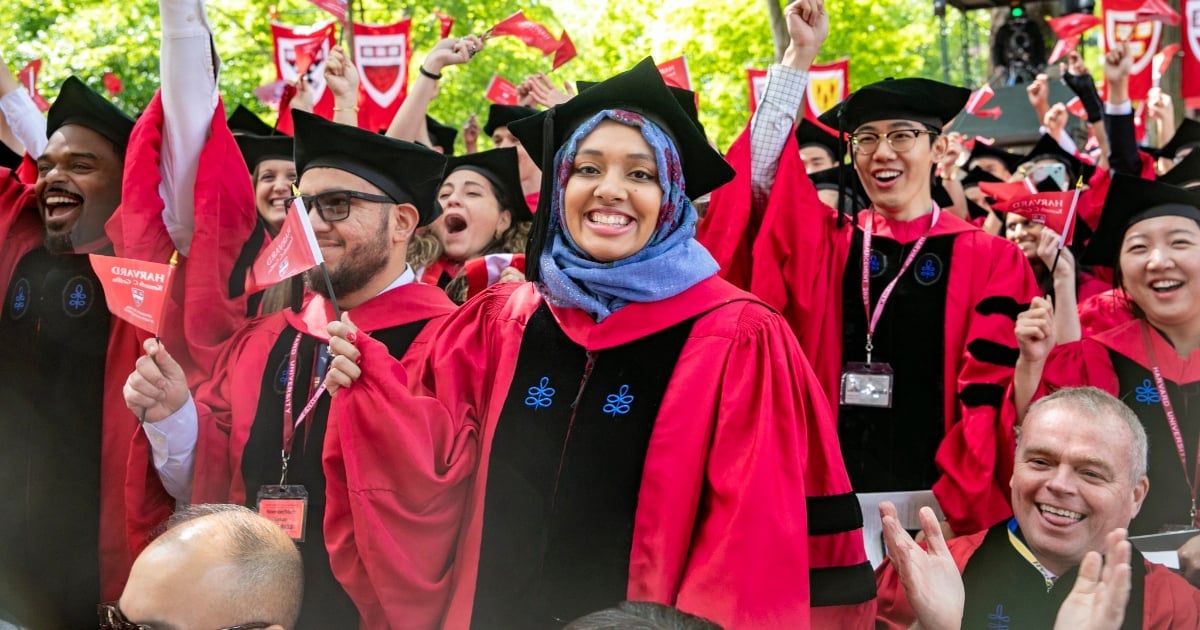
U.S. universities, particularly elite institutions like Harvard, rely heavily on international enrollment both academically and financially. The decision to suspend interviews poses a significant threat to the flow of foreign students just before the academic year begins.
This hardening coincides with other recent actions by the White House against academic institutions. On May 23, a federal judge in Boston temporarily blocked the revocation of Harvard's permit to host international students, a measure that the university described as political retaliation by President Donald Trump and a violation of the First Amendment.
In her ruling, Judge Allison D. Burroughs warned that the university could suffer "irreparable harm" if its ability to accept foreign students was not restored. The preliminary hearing to analyze the case is scheduled for May 27.
The secretary Rubio has publicly defended a strict stance on the immigration status of students during the Trump Administration. In recent statements, he said that "coming to the United States with a visa is a privilege, not a right," and warned that those who support "terrorist activities" could have their visa revoked or be expelled from the country.
These statements arise amid the controversy surrounding the arrest of Mahmoud Khalil, a former Columbia University student and activist in pro-Palestinian protests. According to his lawyer, he was detained by ICE under an order from the State Department to revoke his permanent residency.
The tightening of student immigration policies has sparked criticism from human rights advocates and academic leaders, who fear a negative impact on the global reputation of U.S. universities and their ability to attract international talent.
Frequently Asked Questions about the Suspension of Student Visa Interviews in the U.S.
Why have the interviews for student visas in the U.S. been suspended?
The Trump administration has suspended student visa interviews to assess a potential expansion of control over social networks in the admission process. This measure affects the F, M, and J categories, which include students and exchange visitors.
What are the implications of the suspension of visa interviews at universities in the U.S.?
The decision to suspend visa interviews threatens to significantly reduce the flow of foreign students, which could impact both the academic and financial realms, especially at elite institutions like Harvard, which rely heavily on international enrollment.
What is the U.S. government's stance on international student visas?
The U.S. government, under the Trump administration, has taken a strict stance on international student visas. Secretary of State Marco Rubio has stated that "coming to the United States on a visa is a privilege, not a right", and has warned that those who support "terrorist activities" could have their visas revoked or be expelled from the country.
How has the academic community reacted to the tightening of student immigration policy in the U.S.?
The academic community and human rights advocates have expressed criticism towards the tightening of student immigration policies, stating that it could harm the global reputation of U.S. universities and their ability to attract international talent. Universities like Harvard have argued that such measures are illegal and constitute political retaliation.
Filed under: