
Related videos:
Despite the ongoing accusations of "forced labor." regarding its international medical missions, the Cuban government has proposed to supply all the necessary personnel to open the pediatric services at the Couva Hospital and Multi-Training Center in Trinidad and Tobago.
The announcement was made by Dr. Orlando Lázaro Díaz Gómez, national coordinator of the Cuban Medical Brigade in that country, during a webinar titled “Cuban medical cooperation under threat: a Caribbean response,” organized by the Faculty of Labor and Cooperative Studies Cipriani, reported Trinidad and Tobago Guardian.
“We have the resumes of 44 doctors and 124 qualified nurses waiting in Cuba, ready to provide all the necessary personnel to open all pediatric services at the Couva Hospital,” stated Díaz, who emphasized that Cuba has the logistical and professional capacity to support the Ministry of Health's decision to transform the hospital into a pediatric center.
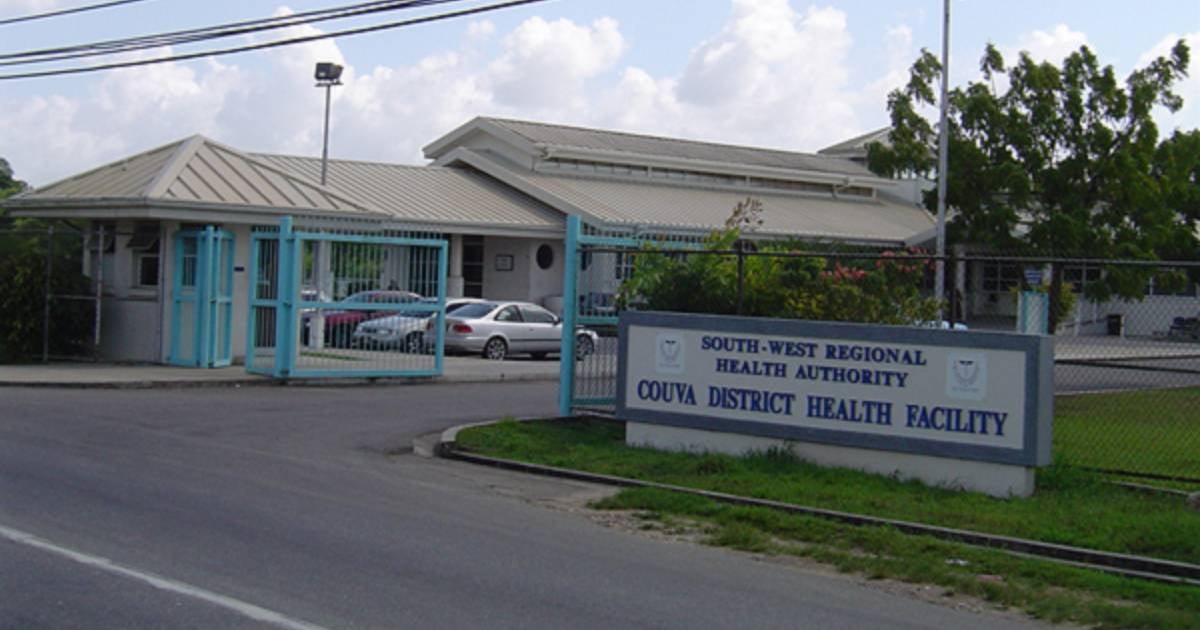
The Couva Hospital was inaugurated in 2015 under the coalition government of the Popular Alliance led by then Prime Minister Kamla Persad-Bissessar, with a budget of 1.6 billion dollars. However, following her departure from power that same year, the facility was never put into operation.
Recently, following her return to power on May 1, Persad-Bissessar announced that the hospital will be reactivated under its original name and used for its intended purpose of providing pediatric medical care.
Since 2003, the year the bilateral health agreement between Cuba and Trinidad and Tobago was signed, 770 Cuban professionals have provided services in that Caribbean country through ten medical brigades. Currently, there are 96 active Cuban workers divided into eight doctors and 88 nurses.
Díaz reported that they are still waiting for a decision from the Trinidadian government on whether the presence of Cuban personnel will be increased, although he highlighted a positive impact they have already had on the healthcare system.
More than 15,000 surgeries, 700 medical consultations, over 45,000 treatments, 40,000 vaccinations administered, and more than 6,000 lives saved, according to figures presented by the Castro official.
The Cuban offer comes amidst ongoing allegations regarding the coercive nature of medical missions. During a tour of the Caribbean last March, U.S. Secretary of State Marco Rubio, the son of Cuban immigrants and a key figure in U.S. foreign policy, described these missions as an “atrocious practice” amounting to “forced labor and human trafficking”.
Rubio accused the Cuban regime of withholding passports, restricting the movement of professionals, and seizing a large part of their salaries. “It is modern slavery,” stated the secretary during his speech before Caribbean officials.
These reports have been supported by organizations like Prisoners Defenders, which have documented ideological surveillance, contractual limitations, threats to family members, and pressures to not abandon missions. As a result, some countries like Bahamas have begun to pay Cuban doctors directly to avoid the mediation of the Cuban State.
Meanwhile, the leader Miguel Díaz-Canel has also described the accusations from Washington as a "perverse campaign" aimed at discrediting one of the most visible pillars of Cuban diplomacy: its model of international medical cooperation.
Frequently Asked Questions about Cuban Medical Missions and Accusations of Labor Exploitation
Why is the Cuban regime accused of modern slavery in its medical missions?
Cuban medical missions are accused of modern slavery due to the withholding of salaries, confiscation of passports, movement restrictions, and constant surveillance of doctors by the Cuban regime. Furthermore, they are forced to give a large portion of their salaries to the state, which has been described by entities such as the U.S. Department of State and human rights organizations as labor exploitation and human trafficking.
What is the impact of Cuban medical missions on the island's healthcare system?
The deployment of doctors overseas has left Cuba with a significant shortage of medical personnel, severely affecting the quality of the island's healthcare system. The loss of more than 13,000 doctors in 2023 has diminished the country's healthcare capacity, increasing the ratio of inhabitants per doctor and deteriorating hospital infrastructure.
How do U.S. sanctions affect Cuban medical missions?
The U.S. has imposed sanctions that restrict visas for officials from countries that hire Cuban doctors under abusive conditions, labeling these missions as a form of forced labor and human trafficking. These measures aim to pressure governments to ensure fair and transparent working conditions for Cuban health professionals.
Which countries have been criticized for hiring Cuban doctors under these conditions?
Countries such as the Bahamas, Trinidad and Tobago, and Cape Verde have been criticized for hiring Cuban doctors under conditions described as exploitative. The allegations suggest that these agreements allow the Cuban regime to retain most of the doctors' salaries, restricting their freedom and subjecting them to strict working conditions.
Filed under: