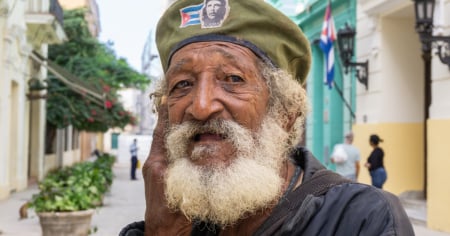
The so-called "grandparenthood" in Cuba, a concept traditionally associated with wisdom, experience, and respect, is increasingly linked to precariousness and neglect, as evidenced by hundreds of thousands of elderly individuals lacking sufficient income, adequate care, or clear responses from the authorities.
Our elders "are unprotected and all are vulnerable", acknowledged the article "Elderly People Are Entirely Vulnerable", published in the official newspaper 5 de Septiembre, from Cienfuegos.
According to the most recent official figures, more than two million Cubans are 60 years old or older (25.7% of the total population). The rapid demographic aging is a result of a combination of multiple factors, such as declining birth rates, increasing life expectancy, and the uncontrollable migration exodus of the last four years.
The country is aging rapidly, without an economic or social cushion to soften this demographic transition. The figures are alarming, but even more so are the decisions... or the lack thereof. During the most recent meeting of the Council of Ministers, the non-execution of the budget allocated for social assistance was acknowledged, especially regarding resources for people in precarious situations.
The text refers to the intervention of the Minister of Labor and Social Security, Marta Elena Feitó Cabrera, who stated at the meeting that, by the end of the first quarter of 2025, “the Social Assistance Budget is 93 percent executed, but within this, there is a very important allocation, which is the delivery of resources to families in vulnerable situations.”
Feitó pointed out that, despite the clearly identified equity gaps, it is inconsistent that some regions show such low levels of spending from the budget allocated for social assistance. He even mentioned that there are areas where the utilization of these funds is minimal. In his view, a more efficient use of these resources would allow for improved care for the elderly, children, and other social actions with a positive impact.
Prime Minister Manuel Marrero described this neglect as “unthinkable,” though a series of measures adopted by the government itself, such as the unsuccessful Tarea Ordenamiento and the opening of more stores for foreign currency sales of food and essential goods, have exacerbated the inflation and economic crisis that particularly affects the elderly.
The article from September 5 also denounces the lack of effective local mechanisms for providing specialized care to the 1,822 elderly individuals over the age of 80 living in the province of Cienfuegos.
It argues that the figure is not so high as to prevent these elderly individuals from receiving a regular food package that at least covers breakfast, along with free transportation on public transport and priority access to pharmacies for obtaining medications from the "tarjetón," thus avoiding long and protracted queues.
The text highlights "what is indeed an open secret" in Cuba: “The vulnerability of elderly individuals receiving meager pensions that do not match the purchasing power needed to cover minimally basic needs, such as access to breakfast.”
Although it acknowledges the protective role that family plays, the newspaper questions whether those who currently receive those pensions have not already contributed enough to society to deserve a dignified retirement.
Old age should mean a full, dignified, and protected life, but in Cuba, it does not, because countless elderly people lack real support, and beyond nursing homes or senior residences, the daily life of millions is reduced to mere survival.
Cuba is facing an unprecedented demographic crisis, with an effective population of 9,740,000 inhabitants, which represents more than a 10% decrease compared to the year 2020.
However, a study by the renowned Cuban economist and demographer Juan Carlos Albizu-Campos estimated that by the end of 2024 there would be 8,025,624 people living on the island, far below the official Cuban statistics.
The elderly population is the only demographic group that is growing in Cuba. Experts believe that this demographic dynamic is characterized by a high incidence of poverty, severe social inequity, low coverage of social security, and a likely trend towards the deterioration of family support networks.
According to official data, 39% of Cuban retirees receive the minimum pension equivalent to 1,528 pesos per month, making them highly susceptible to falling into the category of individuals at risk of extreme poverty.
Especially complicated is the situation of those who do not have family members abroad sending them dollars in order to access a balanced diet in the final stages of their lives. They depend solely on what arrives at the warehouses, marked by rationing, shortages, and delays in the distribution of basic food items.
The out of control inflation resulting from the failed Tarea Ordenamiento has made essential goods more expensive, while wages remain stagnant and the purchasing power of Cubans deteriorates, worn out by long lines, blackouts, hunger, and despair.
People in their third age are also facing the crisis of medication shortages, along with difficulties arising from technical unavailability of medical equipment, a lack of supplies, and disposable materials necessary for the proper functioning of hospitals and health centers.
Patients with chronic diseases such as hypertension, diabetes, and asthma, mostly elderly, face serious difficulties in accessing their treatments, which jeopardizes their health.
Frequently Asked Questions about the Vulnerability of the Elderly in Cuba
What is the current situation of the elderly in Cuba?
The elderly in Cuba face poverty, loneliness, and neglect, with meager pensions that do not cover their basic needs. The lack of adequate care and resources from the government exacerbates their vulnerability.
Why is the elderly population increasing in Cuba?
The increase in the elderly population in Cuba is due to an accelerated demographic aging, caused by a combination of low birth rates, high life expectancy, and a massive migration exodus of young people.
How does the economic crisis affect the elderly in Cuba?
The economic crisis in Cuba has led to uncontrollable inflation and rising costs of basic goods, severely impacting elderly individuals who rely on minimal pensions to survive. The lack of resources and care worsens their situation.
What is the Cuban government doing to support the elderly?
Although the government acknowledges the vulnerability of the elderly, the lack of implementation of the social assistance budget and administrative inefficiency have hindered effective support. The measures taken have not been able to alleviate the precarious conditions in which many elderly people live.
Filed under: