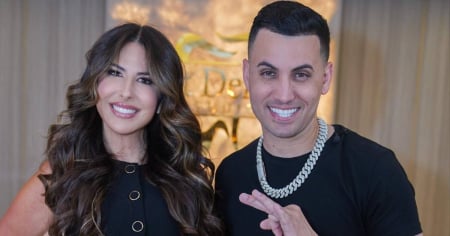
The Cuban content creator Samantha Hernández, one of the most recognized faces of La Familia Cubana, explained in a recent interview why she refrains from publicly speaking about the dictatorship in Cuba.
During her participation in the podcast Farándula 305, Un Martí To Durako asked the young woman the reason for her silence regarding the political situation on the island, and she responded candidly.
“It's not that I don't speak; it's just that for me, Cuba is an extremely sensitive topic because we are here, sitting with air conditioning, living life, the American dream, while back in Cuba, many people are struggling. I came a year ago, and it wasn't like it is now, but it was still bad,” he said.
The content creator, who emigrated from the island just a year ago, admitted that she never participated in protests during her life in Cuba and shared the reason why she prefers to remain silent now that she resides in Miami.
When I was back in Cuba, I never went out onto the streets, I never shouted because the moment I wanted to, my mom told me: 'Sami, no, because if you get arrested, I will die.' And I preferred my mom's peace of mind over going out onto the streets. I don't have the face to stand on social media and tell anyone to go out onto the streets. No, because I didn't do it, he added.
The influencer also expressed her pain regarding the situation in her country and the helplessness of those living in exile: “Yes, I believe they are destroying my country, and it causes me tremendous pain. I have my grandmother in Cuba, and I will not stop sending her money, food, or recharging her account. It hurts me that they are taking advantage of that, that there are people over here who have the means to provide that support to those who are there.”
Although she stated that she can show her support through social media, she clarified: “You’re not going to see me yelling at anyone or asking anyone to do something because I didn’t do it, and the one who’s going to be in jail is not going to be me.”
Samantha Hernández's statement has generated divided reactions among Cuban internet users, with some supporting her honesty and others urging her to take a more active stance against repression and the widespread crisis in Cuba.
Frequently Asked Questions about the Situation of Cuban Influencers and Their Political Stance
Why does Samantha Hernández avoid talking about the Cuban dictatorship?
Samantha Hernández avoids discussing the Cuban dictatorship because she considers the topic extremely sensitive. She prefers not to speak publicly since she did not participate in protests during her time in Cuba, and now that she lives in exile, she does not feel entitled to ask others to do what she did not do. Furthermore, her concern for the safety of her family in Cuba also influences her decision to remain silent.
What is Samantha Hernández's stance on helping her family in Cuba?
Samantha Hernández continues to help her family in Cuba by sending money, food, and top-ups. Despite any criticism she may receive, she feels that supporting her loved ones who are still on the island is important, and she is pained by the situation in her country.
How do Cuban immigrants react to criticisms for not speaking out about politics in Cuba?
Cuban immigrants, like Samantha Hernández and Flor de Cuba, face criticism for not taking an active political stance. Often, they prefer to avoid speaking out publicly due to the personal and family repercussions this could bring. Furthermore, many of them prioritize providing financial and emotional support to their families on the island over political activism.
What impact do experiences in exile have on Cubans' perception of their homeland?
Experiences in exile often intensify the negative perception of the socioeconomic and political situation in Cuba. Comparing the quality of life outside the island with that in Cuba increases frustration with the Cuban regime. Furthermore, the distance induces nostalgia and a constant desire to help family members who remain in Cuba.
Filed under: