
Related videos:
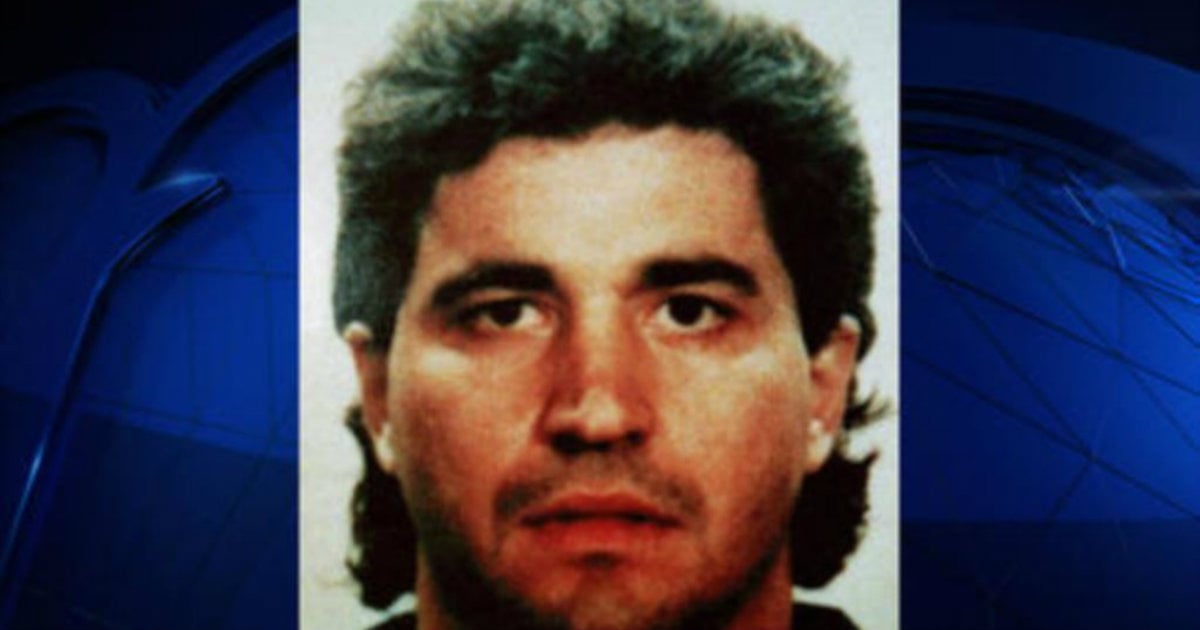
Augusto “Willy” Falcón, one of the most feared and yet legendary names in the world of drug trafficking in the United States, is getting ready to tell his story like never before.
The Cuban-American drug lord, who during the 1980s led a multi-million dollar cocaine empire known as Los Muchachos alongside his partner Salvador “Sal”, has transferred his rights to Entertainment AREU, the production company of former Tyler Perry Studios president, Ozzie Areu, reported journalist Mike Fleming Jr.
Falcón's life, marked by luxury, betrayal, politics, and violence, will be adapted for film, television, and podcast format, in what promises to be one of the most gripping sagas in the true crime genre.
"This is the unfiltered truth", Areu revealed, who has also acquired the rights to the book "The Last Kilo," by journalist TJ English, which details how these young Cuban exiles went from dropping out of school to moving tons of cocaine and financing the transformation of Miami's skyline.
“This story goes beyond crime; it is a mirror of an era, a twisted search for the American dream flavored with exile, conspiracies, and cocaine,” Areu stated.
A story of redemption or a confession without masks?
From secret alliances with the CIA, Pablo Escobar, and Noriega, to smuggling routes through the Bahamas and Mexico, Falcón's account touches on sensitive nerves in the political history of Latin America and, particularly, Cuba.
According to the book itself, the Cuban was involved in early operations to overthrow Fidel Castro and used drug trafficking to finance weapons in the context of the Iran-Contra scandal.
The audiovisual project promises to reveal details never before told about those operations, the high-risk parties, and the role that Cuban exiles played in the darkest gears of power.
“I have waited for this moment for decades because I want people to hear the whole truth,” said Falcón. His testimony, which has been reduced to rumors and fragmented reports for decades, will be presented in a multi-channel narrative format.
This is not the first time that Falcón, together with his childhood friend and partner, Magluta, has been the focus of a series. In 2021, both inspired the Netflix docuseries Cocaine Cowboys: The Kings of Miami (2021), which reviews the rise, fall, and legacy of this Cuban-American duo that turned Miami into one of the world's major cocaine capitals.
From urban legend to pop icon
Falcón has completed 27 years of sentencing in the United States for his key role in cocaine trafficking. Together with Magluta, he not only moved more than 75 tons of the white powder to the United States between 1978 and 1991, but he also introduced innovative techniques for importing drugs and laundering money in Panama through direct contacts with Manuel Noriega.
“This is not just a wild tale of excess and ambition”, said TJ English. “It is a historical saga about how an illegal product transformed a nation”.
This narrative twist transforms Willy Falcón into more than just a villain. It positions him as a central figure in a real drama that spanned the borders between Miami, Havana, Bogotá, and Washington.
Falcón and Magluta were arrested in 1991 and faced 17 federal charges. In an initial trial in 1996, they were acquitted after purchasing witnesses and bribing at least one juror, but new charges of money laundering, murder, and corruption brought them back to court.
In 2003, Falcón pleaded guilty to money laundering and was sentenced to 20 years in prison, a sentence he served until June 2017 in a federal prison in Kentucky.
Magluta, on the other hand, was sentenced to life in prison in 2002 and remains incarcerated in a maximum security prison in Illinois.
Deportation and links to the CIA
After his release, Willy Falcón was detained by ICE for not having legal residency in the U.S. A process was initiated to deport him to Cuba, which was challenged by his defense on the grounds that his life was in danger.
His defense argued that his deportation to the island would be equivalent to a "death sentence." Nevertheless, in April 2018, an immigration judge in Florida denied his request to remain in the U.S.
Finally, Falcón was deported to the Dominican Republic, from where he vanished from the public eye.
What to expect?
With the rise of the true crime genre, and the public's interest in real stories told from within, this production has all the ingredients to become a global phenomenon. But for Cubans, both on and off the island, it represents much more: an intimate glimpse into a chapter of their unofficial history, where exile, politics, and crime intersect with nostalgia, pain, and power.
Filed under: