Sybel Alonso Baldor, Vice President of Network Operations at the Cuban Telecommunications Company (ETECSA), stated that they are working "tirelessly" to "overcome the limitations" and provide connectivity, in a context of growing public discontent regarding the new measures that restrict top-ups in Cuban pesos and expand the offers in dollars to raise foreign currency.
"Establishing international calls and mobile data in Cuba is a complex technical challenge. ¡ETECSA works tirelessly to overcome limitations and provide connectivity despite the challenges!, wrote the management on their social media account on X."
In his post, he described achieving international calls as a "complex technical challenge" and mobile data for Cubans, thus justifying the rate hike with which the telecommunications monopoly in Cuba aims to earn dollars.
Alonso, in line with other directives from ETECSA, has emphasized the alleged "benefits" of the measure, defended by the regime's leadership as necessary.
In other publications, the vice president has praised the work of her boss, Tania Velázquez, and has shared the company's most recent promotion, which generated outrage due to its high costs and restrictive conditions.
ETECSA has justified the increase in telephone rates by the need to inject foreign currency into the company to sustain its operations and confront high levels of debt. The president of the entity, Tania Velázquez, mentioned that the increase will allow "to sustain" current services due to difficulties in importing essential technology and supplies.
Nonetheless, the management revealed that they have earned, on average, 31 USD for each active phone line in Cuba. According to information shared by Velázquez, since the end of 2024 there are about 8 million mobile lines in the country, which amounts to 248 million dollars annually.
Among the criticisms faced by the monopoly, Cubans point out the lack of transparency and accountability regarding the use of its substantial revenues. Many students and experts question the management of the funds and the allocation of the revenues, given the decline in services and the implementation of unpopular measures.
Tania Velázquez, however, made it clear that there will be no turning back on the rate hike.
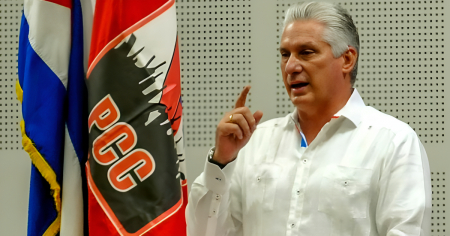
According to Díaz-Canel, suspending the measures would amount to "giving up revenue to maintain the service," and he warned that the country could face a "technological collapse" if unpopular decisions are not implemented.
Frequently asked questions about ETECSA measures and their impact in Cuba
Why has ETECSA increased telephone rates in Cuba?
The president of ETECSA, Tania Velázquez, justified the increase in rates by the need to inject foreign currency into the company to maintain its operations and address a high level of debt. The company is facing difficulties importing technology and essential supplies, which has led to prioritizing dollar-denominated offers to raise funds.
How does the ETECSA rate hike affect the Cuban population?
The ETECSA rate hike has generated widespread rejection among the Cuban population due to the increased costs of internet access and mobile phone services. The new rates in dollars are only affordable for those who receive remittances or have access to foreign currency, perpetuating inequality in access to essential services.
What measures has ETECSA taken to communicate its decisions to the public?
The president of ETECSA, Tania Velázquez, admitted that the company did not adequately inform about the restrictions imposed on mobile top-ups in Cuban pesos, which has led to criticism. She justified this by stating that announcing the measures in advance could have caused the digital platforms to collapse due to a surge in top-ups.
What is the main source of income for ETECSA?
ETECSA relies heavily on the money contributed by Cuban émigrés through international top-ups. These top-ups account for a significant portion of the company's international revenue and are essential for financing operations and acquiring technology.
Filed under: