
Related videos:
A social media post showing birds identified as dead sparrows packaged and offered for sale for 1,000 pesos or in exchange for mobile credit has sparked a wave of public outrage and strong condemnation from the organization Bienestar Animal Cuba (BAC), which labeled the incident as an “act of animal cruelty and moral affront.”
According to the report from BAC's branch in Havana (BAC-Habana) on their Facebook profile, the animals were being offered as pets or as ingredients for soup, which caused not only revulsion but also urgent calls for authorities to take action in accordance with the law.
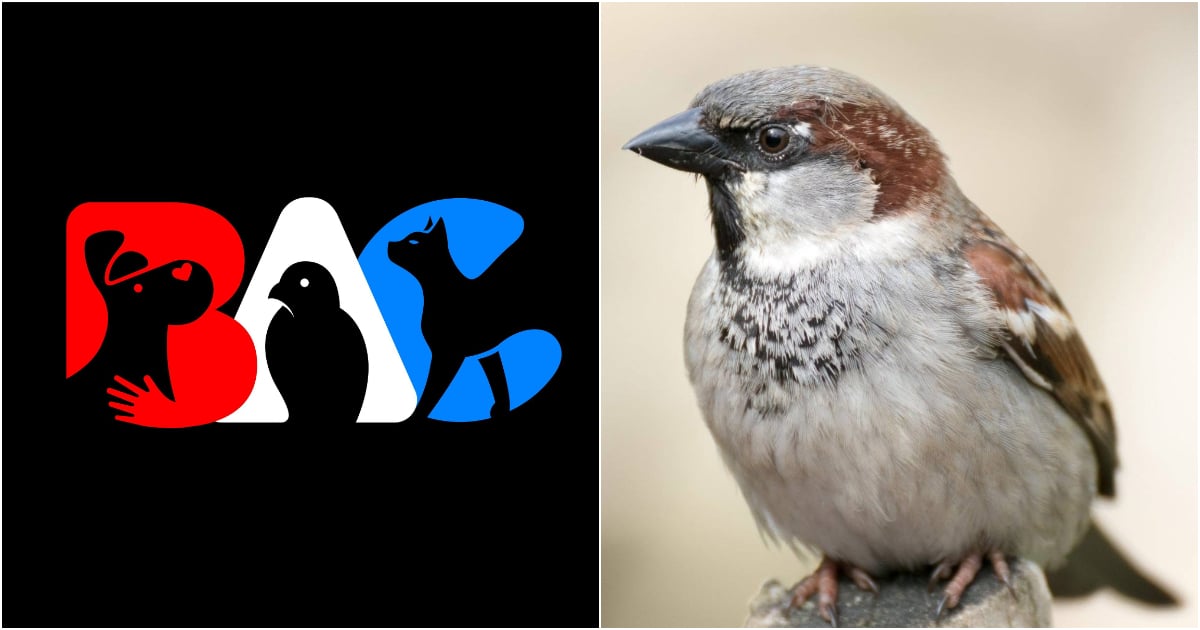
In BAC, “we firmly condemn this act of animal cruelty and moral affront. The sparrow is a symbol of tenderness, resilience, and freedom for the Cuban people. This small bird is part of the collective imagery of our identity and deserves respect,” emphasized the statement.
The organization recalled that Decree-Law No. 31 on Animal Welfare, in effect in Cuba since 2021, expressly prohibits the hunting, capture, mistreatment, or commercialization of wild animals without authorization, and considers these actions to be serious offenses, as outlined in Articles 5, 9, 14, 22, and 29.
He also requested the authorities of the Ministry of Agriculture, Flora and Fauna Conservation, and the Attorney General's Office to take action to prevent these abuses from happening again.
“We cannot allow necessity or informality to justify violence against living beings. Not everything is for sale. Not everything is for consumption. Not everything is negotiable.,” he emphasized.
In another post, BAC indicated that it will announce on June 8 at 3:00 p.m. (Cuba time) an “unprecedented initiative against animal abuse of an international nature,” while encouraging citizens to get involved and not to remain silent.
Comments such as "we need a peaceful march," and "there are also abuses with horses and dogs here," show that the issue of animal cruelty is not isolated and affects the entire country.
The post showcasing the sparrows as merchandise has triggered a chain reaction on social media, where hundreds of Cubans are expressing their complete rejection and demanding justice.
“Disgust and outrage,” “jail for abusers,” “how long will the institutional silence last,” said several users who denounce both the illegal sale and the inaction of the authorities.
In another post, BAC recalled that sparrows arrived in the islands of the region as unintended travelers on colonial ships, bringing with them the echoes of other shores and adapting with remarkable ease to the Caribbean heat and breeze.
"More than just simple birds, sparrows are a symbol of resilience and community... In addition to their charm, they play a vital role in urban balance. By feeding on insects, they help control pests and serve as natural indicators of the health of our ecosystems. Taking care of them means taking care of the air we breathe and the pulse of our streets," stated the organization.
In late April, Lourdes Elena, the guardian of a cat named Lulita, reported that three residents of her building in Mayarí, Holguín province, threw the animal from a third-floor balcony and, after the fall, beat it and incited a dog to the point of causing its death.
Contradictorily, days later, the complainant was charged with alleged defamation, which sparked new criticism against the authorities for their handling of the case.
Finally, the Animal Health Department (DSA) of Mayarí on a neighbor identified as Manolo, after determining that he was solely responsible for the cat's death. This was reported by the Animal Welfare Network Cuba (BAC) through a statement published on social media.
Although Cuba has had Decree-Law 31 on Animal Welfare since April 2021, stray species remain unprotected in the country, reflecting the structural resource and organizational deficiencies of the national veterinary system.
The conditions in which the specimens in various zoos are found have also been reported. While denouncing impunity, neglect, and abuse, animal protectors are demanding a truly effective law that surpasses the current ineffective decree-law.
One of the most shocking cases occurred at the beginning of April when an individual offered a live owl for 20,000 pesos in a Facebook group in Havana.
Before, an event emerged that caused shock: a woman in Gibara found thieves cooking her cat after stealing it.
Another revealing situation was brought to light last March by the activist Yenney Caballero, who publicly denounced the Mascolive veterinary clinic for refusing to perform surgery on a cat in critical condition.
Frequently Asked Questions about Animal Abuse and Legislation in Cuba
What does the Animal Welfare Decree-Law in Cuba say about the commercialization of animals?
The Animal Welfare Decree-Law, in effect since 2021 in Cuba, prohibits the hunting, capture, mistreatment, or commercialization of wild animals without authorization, considering them serious offenses. It also establishes penalties for these actions, which may include fines and confiscation of animals.
What measures have been taken regarding the sale of dead sparrows in Cuba?
The organization Bienestar Animal Cuba (BAC) has condemned the sale of dead sparrows, describing it as an act of animal cruelty and a moral affront. BAC has requested that the authorities from the Ministry of Agriculture and the Attorney General's Office take legal action to prevent these abuses from continuing.
How does the implementation of the Animal Welfare Decree-Law affect the protection of animals in Cuba?
Despite the existence of the Animal Welfare Decree-Law, its implementation in Cuba has been described as ineffective by activists. The constant reports of animal abuse demonstrate that the penalties are not stringent enough and that impunity continues to prevail.
What do sparrows symbolize in Cuban culture?
For the Cuban people, sparrows are a symbol of tenderness, resilience, and freedom. These birds are part of the collective imagination of Cuban identity and are seen as a vital component of urban and ecological balance, helping to control pests and serving as indicators of ecosystem health.
Filed under: