After the recent deaths of several minors in the province of Artemisa due to an electric shock, the state-run newspaper Invasor once again shared on its social media a warning published weeks earlier, stating that lightning causes more deaths in Cuba than hurricanes.
According to a study by the Meteorology Institute, between 1987 and 2017, lightning strikes caused an average of 54 deaths per year, accumulating a total of 1,742 fatalities over three decades, noted the article written by specialist Frank Fernández Castañeda.
The provinces most affected are Granma, Holguín, Camagüey, and Santiago de Cuba, with the highest mortality peaks in July, August, and June, months of high electrical activity.
From the Provincial Meteorological Center of Ciego de Ávila, the specialist warns about frequently observed risky behaviors, such as engaging in outdoor sports during storms.
Staying in open spaces under these conditions significantly increases the risk of being struck by lightning, warn experts.
These phenomena originate from the development of cumulonimbus clouds, which are characterized by significant vertical growth and are favored by warm, moist air that rises rapidly, along with an unstable atmosphere.
Inside, water and ice particles collide and generate electrical charges that result in visible discharges: lightning.
These electrical discharges can occur between clouds or between a cloud and the ground, and they produce thunder when the air heats up and expands violently, reaching temperatures of over 30,000 degrees Celsius.
On the Island, thunderstorms mainly occur during summer afternoons, although they can happen at any time of the year.
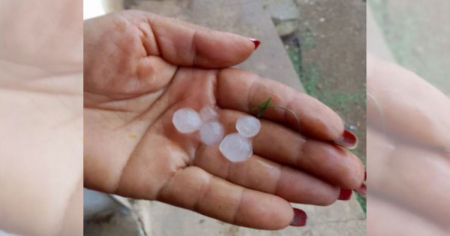
The danger increases due to the combination of heavy rains, strong winds, hail, and even the possibility of tornadoes.
The statistics from the Ministry of Public Health are alarming: Granma reports 249 deaths from lightning strikes, followed by Holguín (186), Camagüey (161), and Santiago de Cuba (147).
In the province of Ciego de Ávila, more than 60 victims were recorded during the studied period.
The meteorologist recommends seeking immediate shelter in enclosed buildings with metal structures or wiring that can act as a Faraday cage, and to avoid outdoor activities.
In the absence of shelter, one should stay away from trees, poles, and bodies of water, and adopt a safe crouching position with feet together.
Indoors, it is advisable to disconnect appliances, avoid using landline phones, and stay away from windows and pipes.
The message from the Cuban specialist is clear: lightning kills and should not be underestimated.
Frequently Asked Questions about the Impact of Lightning in Cuba
Why are lightning strikes more deadly than hurricanes in Cuba?
Lightning causes more deaths in Cuba than hurricanes due to its frequency and the lack of adequate preventive measures. Between 1987 and 2017, lightning resulted in an average of 54 annual deaths, totaling 1,742 fatalities over three decades. The high electrical activity in the months of June, July, and August, combined with risky behaviors such as participating in outdoor sports during storms, increases the danger.
Which provinces in Cuba are most affected by lightning?
The most affected provinces are Granma, Holguín, Camagüey, and Santiago de Cuba, where the highest peaks of mortality from electrical discharges are recorded. Granma tops the list with 249 deaths, followed by Holguín with 186, Camagüey with 161, and Santiago de Cuba with 147. These regions experience a high incidence of thunderstorms during the summer.
What safety measures should be taken during a lightning storm in Cuba?
It is recommended to seek immediate shelter in closed buildings with metal structures or wiring that acts as a Faraday cage. If shelter is not available, it is crucial to stay away from trees, poles, and bodies of water, and assume a safe crouched position with feet together. Indoors, appliances should be unplugged, the use of landline phones should be avoided, and one should stay away from windows and pipes.
Filed under: