
Related videos:
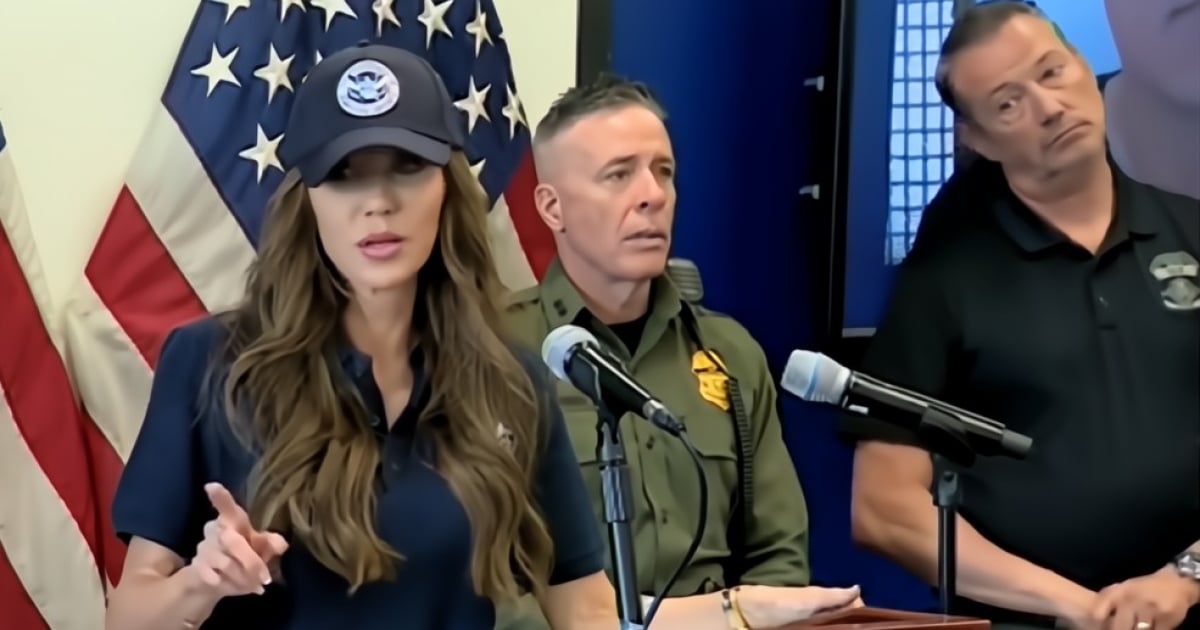
This Thursday, following the announcement of the immediate cancellation of humanitarian parole and in an analysis of the protests in Los Angeles against the immigration policies of the Donald Trump administration, the U.S. Secretary of Homeland Security, Kristi Noem, has sparked a new wave of controversy with a strong message.
"Our message to undocumented immigrants is clear: Get out of the United States now!", said the Republican.
Noem reiterated that the path for those without legal status in the country is the use of the CBP Home application for self-deportation. "The American taxpayer generously offers those who are in the country without authorization $1,000 and a free flight home," she stated.
In her statement, Noem was even more direct: “Self-deportation is the best, safest, and most cost-effective way to leave the United States to avoid being arrested. If you do not leave now, we will find you, arrest you, and deport you.”
The U.S. government has maintained this stance for months, but it resonates more strongly this week due to the context in which it occurs.
Revocation of Parole: A Devastating Blow to Migrant Communities
The executive order that eliminates parole has caused consternation in cities like Miami, where tens of thousands of beneficiaries of the program reside.
Starting this Thursday, more than 530,000 people have begun receiving notifications from the Department of Homeland Security (DHS), informing them that their temporary stay and work permits have been revoked.
Only from Cuba, it is estimated that more than 110,000 migrants arrived in the United States through this route. Many of them were already in the process of applying for residency, were legally employed, and had their children in schools.
The impact on the Cuban community is particularly harsh. Many fear deportation to a repressive regime they fled from. Some are already facing family separation after being deported.
Frequently Asked Questions about the Revocation of Humanitarian Parole and Self-Deportation in the U.S.
What does the revocation of humanitarian parole mean for immigrants in the U.S.?
The revocation of humanitarian parole means that immigrants who were under this program lose their work permit and are left undocumented, making them deportable. This change affects more than 530,000 people from countries such as Cuba, Haiti, Nicaragua, and Venezuela, who now face the possibility of being deported to their countries of origin.
What is the CBP Home program and how does it work?
The CBP Home program is an application developed by the U.S. government to manage the voluntary departure of undocumented immigrants. Immigrants can use the application to notify their intention to leave the country, access economic incentives of $1,000, and book a free flight to their home country. The use of this application aims to reduce the costs of deportation and provide a dignified exit for migrants.
What incentives does the U.S. government offer for self-deportation?
The U.S. government offers a financial incentive of $1,000, a free flight to the country of origin, and the forgiveness of accumulated fines for undocumented immigrants who choose to self-deport using the CBP Home application. These incentives aim to facilitate and promote the voluntary departure of those who are in the country irregularly.
What are the consequences of not choosing self-deportation?
Those who do not choose self-deportation face risks of detention, forced deportation, daily fines of up to $998, and the possibility of inadmissibility in the future. The government has emphasized that this is an opportunity to leave the country voluntarily and preserve the option of returning legally in the future.
Filed under: