
Related videos:
The United States Department of State condemned on Wednesday the re-incarceration of the Cuban activist Donaida Pérez Paseiro, a renowned opponent and advocate for religious freedom on the Island.
In a message posted on its official account on X, the Office of Western Hemisphere Affairs directly accused the Cuban regime of political retaliation and systematic human rights violations.
"The Cuban regime shows its weakness and contempt for the Cuban people by quickly re-imprisoning defenders like Félix Navarro, José Daniel Ferrer, and Donaida Pérez, and then depriving them of the medical care and family visits they need," the tweet details.
"The responsible parties will be held accountable for their abuses against human rights," the entity warned.
Selective repression against dissent
The revocation of Pérez Paseiro's parole was confirmed this week by the Provincial People's Court of Villa Clara, which justified the measure by citing "violations in the labor sphere" and failure to attend a court summons.
Nevertheless, critical voices inside and outside of Cuba are labeling this action as a new episode of persecution against those who dare to exercise their freedom of expression.
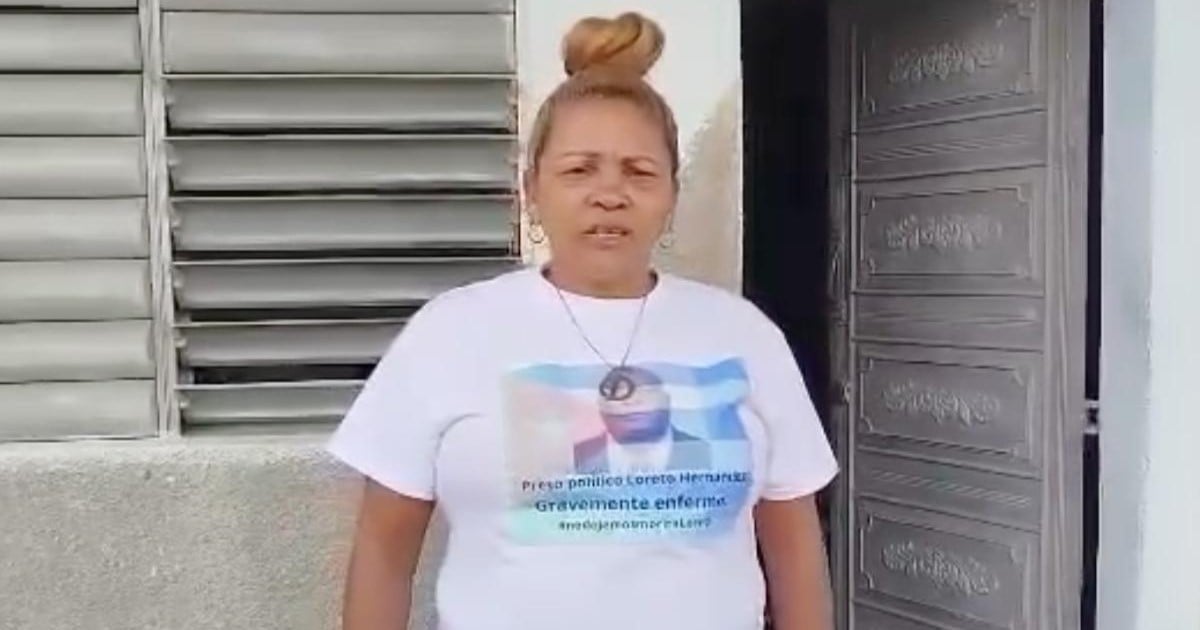
Since her release in January, Pérez Paseiro - president of the Association of Free Yorubas of Cuba - has continued to denounce the situation of her husband, the political prisoner Loreto Hernández, and advocating for the rights of the protesters imprisoned after the July 11th demonstrations.
His return to prison confirms, according to journalist José Raúl Gallego, "the sustained repression and the selective use of justice as a political weapon."
Washington maintains its pressure
The response from the United States marks a new chapter in its close monitoring of human rights in Cuba, especially following the contacts that U.S. diplomats have had with members of the opposition.
Donaida Pérez herself recently participated in a meeting with Ambassador Mike Hammer, adding an additional repressive nuance to her re-incarceration.
Analysts interpret this arrest as a message of punishment and deterrence from the Cuban regime towards the opposition that agrees to engage in dialogue with foreign representatives.
The lack of minimum guarantees for those who exercise criticism of power – even within independent religious or cultural frameworks – is once again brought to light.
An economy that isolates itself and a regime that becomes more radical
The confinement of figures like Pérez Paseiro not only heightens international alarm, but also continues to erode the already tarnished image of the regime in the eyes of governments and multilateral organizations.
In a context of profound economic crisis, with a impoverished population and a massive exodus, the repression of independent social actors contributes to Cuba's isolation from the regional democratic landscape.
Meanwhile, on the Island, the criminalization of dissent worsens, with courts turned into extensions of the political apparatus and no space for due process.
The case of Donaida Pérez, a chronic illness patient and considered a prisoner of conscience by Amnesty International, reveals the vindictive nature of a system that, instead of engaging in dialogue, resorts to incarceration.
With this statement, the United States insists that it will not remain silent in the face of human rights violations in Cuba.
And although the margins for diplomatic action are limited, the message is clear: those who abuse power and persecute dissent must be held accountable before the international community.
Donaida Pérez Paseiro, a story of struggle
Born in 1971, Donaida Pérez Paseiro is recognized for her role as president of the Association of Free Yorubas of Cuba, an independent Santería community on the Island.
On July 11, 2021, she joined the anti-government protests. On July 16, she voluntarily surrendered to the authorities in compliance with an arrest warrant against her. She was then charged with public disorder, contempt, and assault against a public official.
In February 2022, the People's Municipal Court of Santa Clara sentenced her to eight years in prison. Since then, she has been held at the Guamajal women's prison in Santa Clara.
The situation of Pérez Paseiro has raised international concern, especially regarding his health, as he suffers from hypertension and diabetes, conditions that have worsened during his incarceration.
During her time in prison, she was transferred to a hospital once after experiencing vomiting with blood and abdominal pain, and she also developed symptoms of COVID-19 and was isolated.
Organizations like Amnesty International recognize her as a prisoner of conscience and have demanded her immediate and unconditional release, arguing that her detention is solely due to her peaceful participation in protests and her religious leadership.
Her husband, Loreto Hernández García, who serves as vice president of the same religious association, was also arrested and sentenced to seven years in prison for his involvement in the protests of July 11th.
The detention and sentencing of both have been condemned as violations of religious freedom and freedom of expression in Cuba, generating international calls for their release.
Frequently Asked Questions about the Detention of Donaida Pérez and Repression in Cuba
Why was Donaida Pérez Paseiro arrested again?
Donaida Pérez Paseiro was detained once again by the Cuban regime, which revoked her parole allegedly for "labor-related" violations and failure to attend a court summons. However, this action is seen by critics as a political retaliation due to her activism and defense of human rights in Cuba.
What is the stance of the United States regarding the detention of dissidents in Cuba?
The government of the United States has strongly condemned the detention of Cuban opponents such as Donaida Pérez, José Daniel Ferrer, and Félix Navarro. The United States has stated that those responsible for these human rights violations must be held accountable and has reaffirmed its support for pro-democracy activists on the island, maintaining its international pressure on the Cuban regime.
Who is Donaida Pérez Paseiro and why is her case relevant?
Donaida Pérez Paseiro is a prominent Cuban opponent and president of the Association of Free Yorubas of Cuba, known for her participation in the protests on July 11, 2021. She was convicted for public disorder, contempt, and assault against a public official. Her case has raised international concern due to the state of her health and her recognition as a prisoner of conscience by organizations such as Amnesty International.
How does repression in Cuba affect its international situation?
The repression in Cuba, evidenced by detentions such as that of Donaida Pérez, further erodes the image of the Cuban regime before the international community. This situation contributes to the country's isolation from the regional democratic landscape and leads to increased criticism and sanctions from governments and international organizations that demand respect for human rights and the release of political prisoners.
Filed under: