
Related videos:
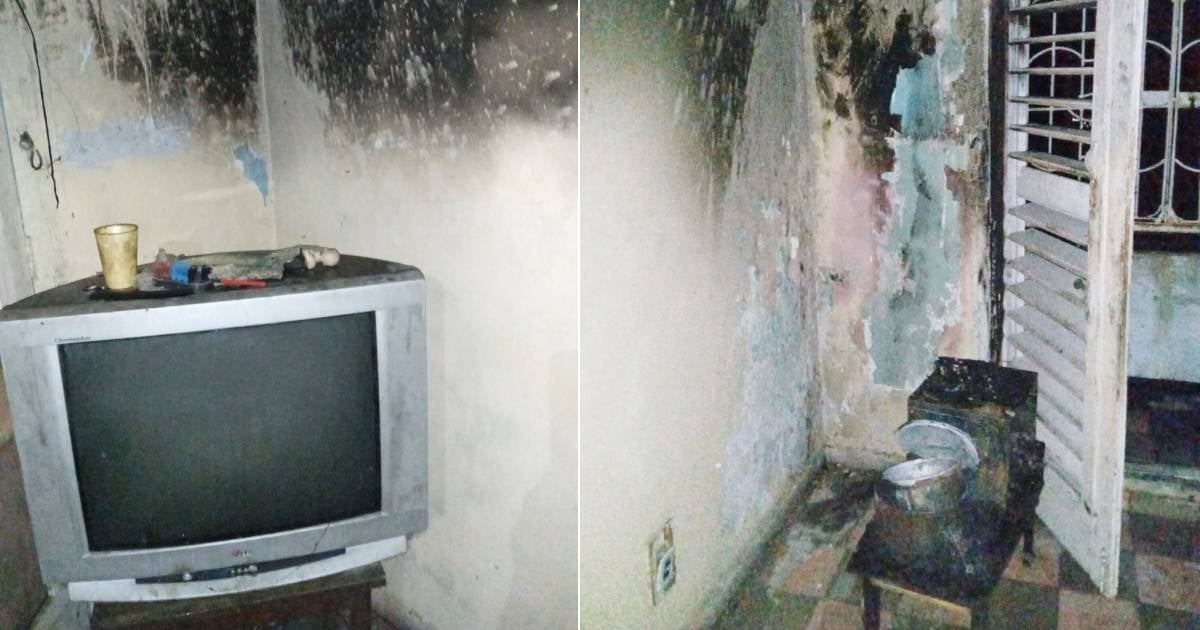
A man in Santiago de Cuba experienced moments of anguish upon returning home to find his apartment blackened by smoke and shaken by a fire that, fortunately, was contained in time thanks to the quick action of his neighbors.
Gilberto Hechavarría Duany, 54 years old and resident of building F-53, apartment 7, in the José Martí district, emotionally recounted what happened: “I saw when the firefighters passed by the seminternado, I heard them say there was an apartment on fire… I never imagined it was mine”.
According to what he explained to the authorities, the fire started due to a rice cooker that remained connected after a power outage. When the service was restored, the appliance overheated and caused a short circuit that ended in flames.
Fortunately, there were no injuries or fatalities, thanks to the quick intervention of the neighbors, who managed to extinguish the fire before it spread.
“Thanks to the promptness and immediacy of the nearby neighbors who extinguished the initial fire by acting swiftly”, wrote on Facebook the representative of the Red Cross in the area Aris Arias Batalla, who documented the event and accompanied the testimony with striking images of the interior of the affected apartment: blackened walls and ceiling, burned furniture, and the rice cooker completely destroyed.
In recent times, Cuba has faced an alarming series of apartment fires, many of which are linked to the prolonged blackouts affecting the island. These power outages have forced families to resort to alternative and dangerous methods for cooking or illuminating their homes, significantly increasing the risk of fires.
An emblematic case occurred in October 2024 in Zone 23 of Alamar, Havana, where an apartment caught fire after the family attempted to cook with firewood due to the lack of electricity. Fortunately, there were no injuries, but the incident highlighted the dangers of these practices forced by the energy crisis.
In March 2025, another large-scale fire consumed an apartment in zone 2 of Alamar. Although no casualties were reported, it was speculated that the cause might be related to electrical issues stemming from power outages.
In April 2025, a fire destroyed an apartment in building 43 in Artemisa. Although there were no injuries, the material damages were significant.
The energy situation in Cuba has been critical, with blackouts affecting a large part of the country. In October 2024, a total blackout left nearly the entire population without electricity for several days, which led many families to resort to dangerous methods for cooking or lighting their homes.
These events reflect a concerning trend where the lack of electricity and precarious conditions force citizens to take desperate measures, putting their lives and properties at risk. It is essential that preventive measures are implemented and the electrical infrastructure is improved to avoid future tragedies.
Frequently Asked Questions about the Fires in Cuba and the Energy Crisis
How did the fire originate in the apartment in Santiago de Cuba?
The fire was caused by a rice cooker that remained plugged in during a power outage. When the service was restored, the appliance overheated, causing a short circuit that ignited the flames. This incident highlights the danger of leaving appliances connected during blackouts, a practice that is becoming increasingly common due to the energy crisis in Cuba.
What role do power outages play in the increase of fires in Cuba?
Prolonged blackouts have increased the risk of fires in Cuba, as many families resort to alternative and dangerous methods for cooking or lighting their homes. The lack of electricity has led to incidents such as overheating of appliances, like rice cookers and fryers, and the use of wood or charcoal inside homes, significantly heightening the risk of fires.
What preventive measures can be taken to avoid fires in Cuba?
It is crucial to disconnect appliances during blackouts and to avoid using dangerous cooking methods such as firewood or charcoal indoors. Additionally, combustible materials should be removed from nearby areas, and local authorities' recommendations should be followed. Prevention and improvement of electrical infrastructure are essential to avoid future tragedies.
How has the energy crisis affected Cuban families?
The energy crisis in Cuba has complicated families' ability to cook and preserve food, due to frequent blackouts and the lack of liquefied gas. This has forced people to resort to alternative methods, which not only increases the risks of fires but also worsens their quality of life and generates widespread discontent among the population.
Filed under: