
Related videos:
A woman was killed this Friday by her ex-partner in the coastal municipality of Niquero, in the province of Granma, as confirmed by the independent media La Hora de Cuba based on local witnesses.
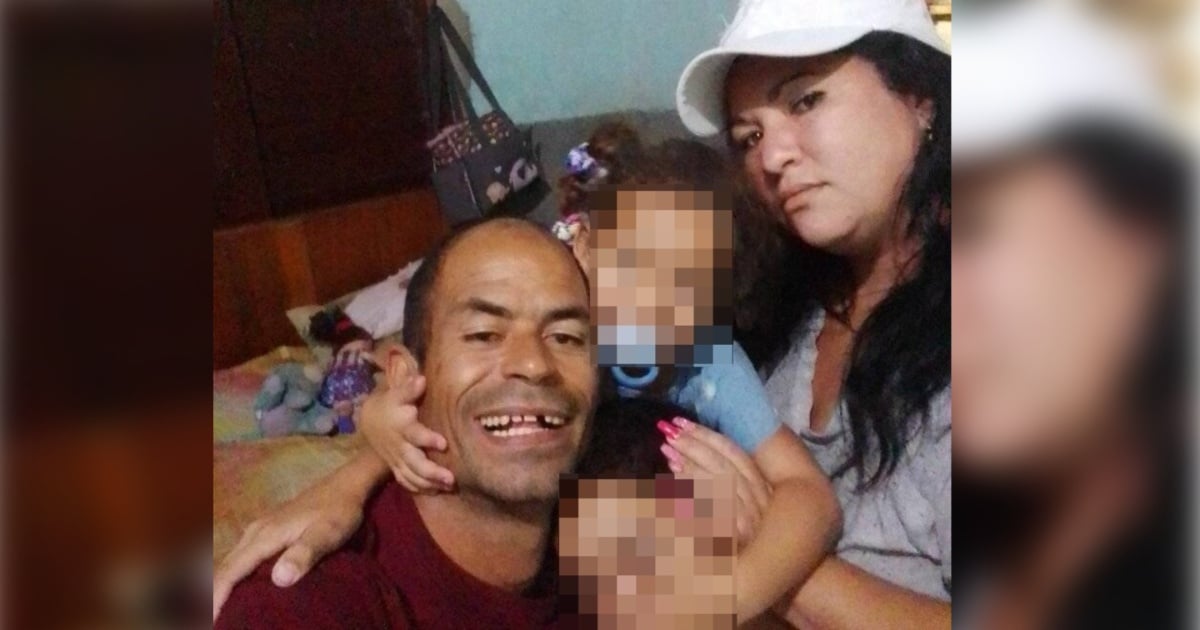
The femicide, identified as Didier Almagro, took his own life after assaulting his ex-partner Gretel Matos, 33 years old, and mother of two minor children.
The woman was attacked three times with a knife in a public area. Didier Almagro, the father of the victim's second daughter, fled after committing the crime, and this Saturday he was found hanging from a tree, as seen in the visual evidence left by some internet users in the Facebook post.
Sources close to the victim confirmed to La Hora de Cuba that Almagro had repeatedly declared his intention to take Gretel's life after the woman refused to resume their relationship.
Dozens of people condemned the crime and noted the frequency with which these events occur in Cuba.
"It has become fashionable for weak men with low self-esteem to kill women as if it were just having a beer. Mothers, raise strong men with high self-esteem. Encourage them to study and prepare so they are not stuck in one place. That way, they won't have to mourn for a coward who first thing does is run away," commented an internet user.
Others proposed to increase the sanctions against this type of incident to prevent them from happening. "It is time for the maximum penalty to be applied in these cases. Once an example is set, they'll see how murderers think twice before doing it," someone else wrote.
In Cuba, where femicide is not classified as a crime in the Penal Code, organizations like Yo Sí Te Creo en Cuba and Alas Tensas maintain a record of gender-based violence, while advocating for appropriate legislation and the creation of public policies that protect women and prevent violence.
Femicide in Cuba leaves many families in tragedy, as in the case of Rosi Santana, where two children have been left motherless. The lack of institutional support and the absence of shelters for victims worsen the situation for affected families, leaving them in a state of vulnerability.
Santana was stabbed to death by her ex-partner at the La Hormiga Popular Camping Base in the municipality of Fomento, in the province of Sancti Spíritus. The crime took place in front of witnesses, in a recreational area, which has caused shock in the community.
By May, feminist platforms had recorded 14 women killed by gender-based violence so far in 2025.
Independent feminist organizations expressed their dismay at the events and raised concerns about the increasing difficulties in verifying these crimes due to ongoing power outages and technological disconnection that hinder citizen communication and independent documentation efforts.
Frequently Asked Questions about Feminicides in Cuba
What happened in the femicide in Niquero?
In the municipality of Niquero, in the province of Granma, a man named Didier Almagro murdered his ex-partner Gretel Matos with a knife in a public place and then took his own life. The incident left two minor children orphaned and sparked a wave of indignation in the local community.
Is femicide classified as a crime in Cuba?
No, femicide is not classified as a crime in the Cuban Penal Code. Feminist organizations have been advocating for appropriate legislation to protect women and prevent gender-based violence, but the Cuban government has not officially recognized the existence of femicide in the country.
How many femicides have been reported in Cuba in 2025?
Until May 2025, feminist platforms have reported 14 femicides in Cuba. The lack of official statistics and the underreporting of these crimes make it difficult to accurately track the situation, but organizations like Yo Sí Te Creo en Cuba and Alas Tensas are working to document these cases.
What measures are being taken to address gender-based violence in Cuba?
The Cuban government has developed an Administrative Registry on gender-based violence, but it is not public. This registry aims to provide information to state and government authorities, but not to the public or feminist organizations. Independent platforms continue to demand transparency and effective actions to combat gender-based violence.
Filed under: