
Related videos:
Less than six weeks before the 510th anniversary of its founding, the city of Santiago de Cuba is undergoing a “urban renewal” campaign, called for by the Cuban regime as part of a program that, once again, prioritizes image and official propaganda over the real needs of the population.
According to the official newspaper Granma, the provincial government is working under the slogan "It's Santiago and I feel proud!" in anticipation of July 25, the 510th anniversary of the city, and in the lead-up to July 26, the date that marks the 72nd anniversary of the assault on the Moncada Barracks, one of the key events in the foundational narrative of the regime.
The first secretary of the Communist Party in the province, Beatriz Johnson Urrutia, stated that this commemoration "commits us as revolutionaries," in a clear declaration of ideological intentions rather than social ones.
According to the published note, the prioritized actions include the repair of roads, bridges, green areas, walkways, and drainage systems, as well as the rehabilitation of iconic hospitals such as Saturnino Lora and Juan Bruno Zayas, and the promotion of care programs in vulnerable neighborhoods.
It is also reported that investments in the Laguna Blanca Agroindustrial Company include the rehabilitation of irrigation systems with 26 machines, 14 kilometers of channels, and six pumping motors.
This productive enclave is crucial for the city's food supply, and its revitalization is being announced alongside a campaign to increase the production of meat, feed, and more than 1,000 hectares of sugarcane.
These initiatives are complemented by the reopening of 30 centers within the Family Care System, which are to operate in the style of the "Con Pasión Project," providing comprehensive assistance to vulnerable individuals, including the homeless, the elderly, and at-risk populations.
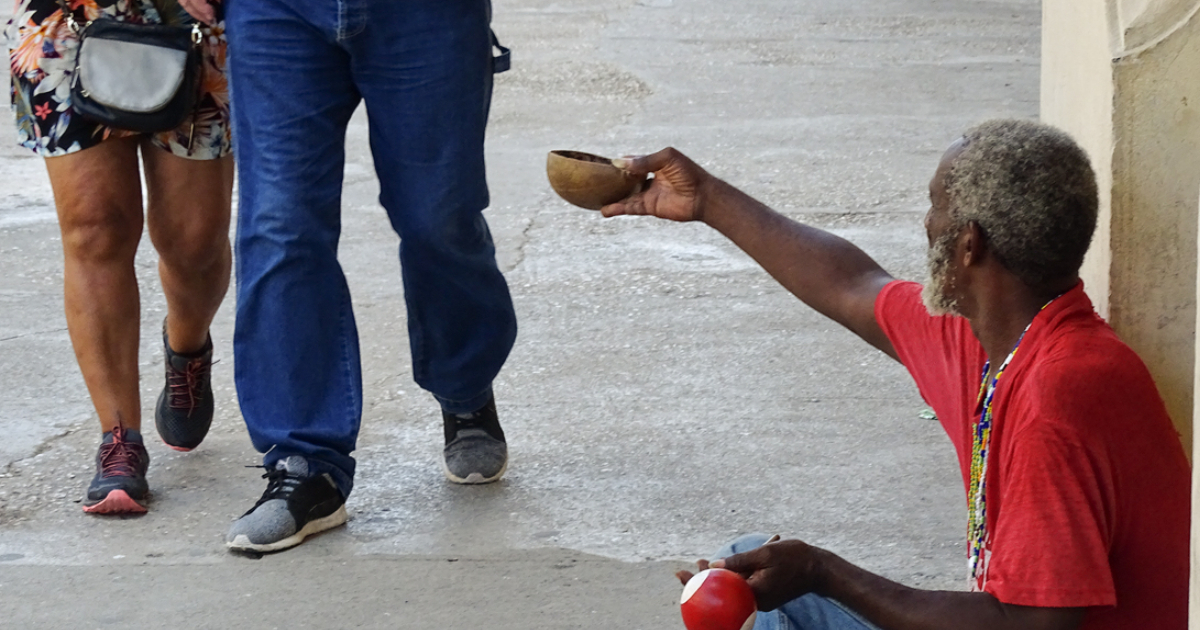
However, while officials enthusiastically highlight the scale of the beautification plan, the reality of the streets in Santiago continues to be marked by despair.
Long hours of power outages, shortages of food, breakdowns in basic services, unaffordable prices, extended water distribution cycles, and a lack of essential medications make up the harsh daily reality for thousands of families in Santiago de Cuba, reasons that discourage any intentions to celebrate.
Workers barely survive on outdated wages compared to prices in freely convertible currency markets, while retirees, single mothers, and the ill are excluded from any real assistance programs.
Despite being the cradle of the Revolution, Santiago de Cuba has witnessed how propaganda replaces structural solutions and how historical anniversaries become a pretext for staging political displays that mask the actual deterioration.
Once again, the Cuban regime shows that it prioritizes fulfilling commitments tied to symbolic dates in the revolutionary calendar over addressing the material and social needs of the population.
The official phrase “may Santiago continue to be Santiago,” repeated by Beatriz Johnson, now resonates as an empty slogan, unable to mask the gap between the official narrative and the concrete reality of the people, unless it refers to the fact that the province perpetuates hunger, poverty, blackouts, and institutional neglect; and if that is the case, then “Santiago continues to be Santiago.”
In a city that asks for solutions and receives paint; that cries out for food and gets speeches; that demands light and faces blackouts, the 510th anniversary shapes up not as a celebration, but as a postcard crafted to please a power that is increasingly alien to its people.
While the regime and its subservient media portray a "campaign of renewal" in the province of Santiago de Cuba, the reality on the streets is very different.
This was demonstrated by the Santiago activist Yasser Sosa Tamayo who this Sunday shared an emotional message dedicated to Cuban parents and grandparents who, in his words, “have been forgotten among tin medals and broken promises.”
Sosa, known in Santiago de Cuba for his solidarity work with vulnerable individuals, shared his thoughts on Facebook, accompanied by a video showing him distributing food to elderly people on the streets, a practice he has maintained for months as a consistent gesture of dignity and civic resistance.
Also this Sunday, a new shocking report exposed the inhumane conditions in which psychiatric patients survive -and die- at the "El Viso" chronic mental illness care center in the town of El Caney, Santiago de Cuba.
Frequently asked questions about the 510th anniversary of Santiago de Cuba and the current situation
What actions is the Cuban government taking for the 510th anniversary of Santiago de Cuba?
The Cuban government has launched a "urban renewal" campaign in Santiago de Cuba, which includes the repair of roads, bridges, green areas, and drainage systems, as well as the rehabilitation of hospitals and support for vulnerable neighborhoods. These actions aim to beautify the city in preparation for the anniversary celebration, but they do not address the basic needs of the population.
How does the water and electricity crisis affect the people of Santiago?
The population of Santiago de Cuba faces severe difficulties due to the water crisis, with supply cycles that can last up to 21 days, and prolonged blackouts that affect daily quality of life. These conditions have increased social unrest and further hinder the daily lives of residents.
What criticisms are made of the Cuban government regarding the official celebrations?
Criticism of the Cuban regime focuses on its tendency to prioritize propaganda and symbolic celebrations over real solutions to the economic and social problems facing the population. In Santiago de Cuba, investments are more focused on image than on addressing basic needs such as access to water and electricity.
Filed under: