
Related videos:
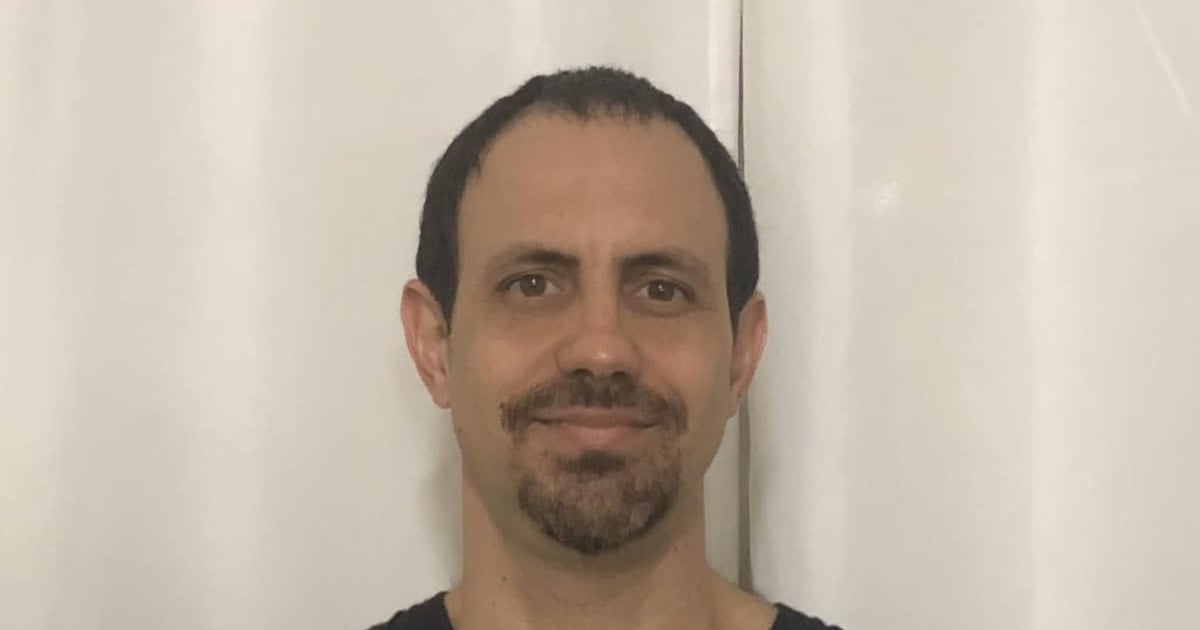
The Cuban activist and scientist Oscar Casanella faces a decisive hearing on Tuesday, June 24, in the Miami immigration court. That day, which coincides with the birthday of his eldest child, he and his wife will have to defend their political asylum case in the United States.
The ruling could determine their fate: the possibility of a life in freedom or deportation to an island where they could end up in prison.
"If I am deported, my life is at risk," Casanella declared in an interview with Telemundo 51.
It's not an empty warning. In 2022, shortly before leaving Cuba, State Security directly threatened him: "If you're still in Cuba in a month, you'll be imprisoned."
Casanella, a biochemist and former Immunology professor at the University of Havana, is a familiar face in the Cuban opposition activism.
In his political asylum file, he has photos, videos, and summons that document the repression he suffered at the hands of the dictatorship.
"My fear is that immigration authorities will implement blanket measures, without personalizing and analyzing each case," he said.
He applied for asylum in January 2022 when he crossed the southern border of the United States, but he only received the I-220A form, a document that leaves him in a migratory limbo and excludes him from the Cuban Adjustment Act.
"I was in Cuba for over 10 years doing activism and suffering systematic harassment," she specified.
Tuesday, June 24, the birthday of their eldest son, could also be the day that determines whether this family will start a new life in freedom or return to Cuba.
Her attorney, Deliane Quiles, explained that that day various possibilities could arise in court.
"You can file a motion with the court that day or present it orally requesting to dismiss the case. The other option would be for the judge to deny the asylum case, in which case we would have the opportunity to appeal. If they process it under expedited removal, then the only option left would be to request a credible fear interview," he detailed.
For over a decade, Casanella was subjected to harassment, threats, and arrests due to his critical stance towards the regime.
"I received death threats and was involved in accidents caused by trucks from the Ministry of Interior," he recounted.
In 2021, after nearly a year under house arrest and constant surveillance by the G2, he decided to leave the Island with his pregnant wife and their four-year-old son. After a long journey through several countries, they crossed the southern border of the United States at El Paso, Texas, in January 2022.
Oscar Casanella has not only faced persecution in Cuba. He has also been harassed by the political police in Latin American countries, such as the Dominican Republic.
His case, although documented and reported by the independent press, remains unresolved three years after his arrival in the United States.
My political asylum case is solid. The problem is that the whole process can take 10 years or more. This creates many limitations for my family and me in accessing credit to buy a house to live in; pursuing master's degrees at a university in the United States while being considered a resident; accessing certain jobs, and traveling outside of the United States," he explained in an interview with CiberCuba last year.
Frequently asked questions about the possible deportation of Oscar Casanella and the immigration status of Cubans in the U.S.
Who is Oscar Casanella and why is he facing deportation to Cuba?
Oscar Casanella is a Cuban activist and scientist who faces the possibility of being deported to Cuba from the United States. He has experienced harassment, threats, and persecution by the Cuban State Security due to his critical stance toward the regime. He is currently in a political asylum process in the U.S., but his situation is uncertain due to his immigration status under form I-220A.
What is the I-220A form and how does it affect Cuban migrants in the U.S.?
The I-220A form is a document that grants temporary stay permission in the United States to migrants while they resolve their legal situation. However, it is not sufficient to prevent deportation, leaving many in a migratory limbo. The situation has become complicated with new immigration provisions that have created uncertainty among Cubans who possess it.
What could be the possible consequences if Oscar Casanella is deported to Cuba?
If Oscar Casanella is deported to Cuba, his life could be at risk due to the direct threats he has received from the Cuban State Security. Moreover, he could be imprisoned because of his political activism against the Cuban regime.
What legal options does Oscar Casanella have to avoid deportation?
Oscar Casanella can file a motion to dismiss his case or appeal if his asylum request is denied. Another option is to request a credible fear interview, although this route is complicated under the current U.S. immigration guidelines.
How do current immigration policies affect Cubans with I-220A status?
Current immigration policies in the U.S. have tightened the handling of asylum and deportation cases for Cubans with I-220A status. Many face the uncertainty of being deported despite having strong political asylum cases, due to the implementation of general measures that do not analyze each case individually.
Filed under: