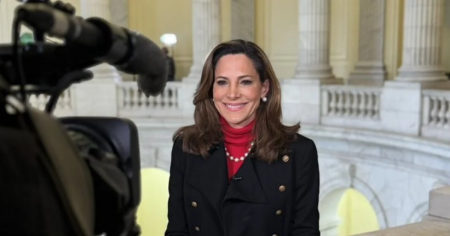
The immigration attorney Liudmila Marcelo stated this Friday, in comments to CiberCuba, that she has noticed a change in attitude among the judges in Miami and Orlando who, until recently, allowed their clients to appear via video, but now require them to do so in person, posing a risk due to the arrests being conducted by ICE (Immigration and Customs Enforcement) at the courthouse once their asylum cases are closed.
"Almost 100% of judges were allowing clients to appear by video, and now two or three additional judges, particularly here in Miami, do not permit clients to appear by video, which means they have to appear in person. The same is happening in Orlando, and this leads to the possibility of having the case dismissed and the detention right there in court," the attorney noted in response to the question about the current situation of Cubans with I-220A.
"At this moment, there are still dismissals of asylum cases for I-220A in the courts, and the individuals whose cases are being dismissed are being detained right there in the courts. This is completely negative for I-220A. We don't like this happening; there is no criteria—whether you've been here for over two years or have a pending case doesn't matter; they are dismissing cases and detaining people," he said.
But there are also other updates. "We were dealing with the case of Matter of Q. Li. I have personally achieved four case resolutions based on Matter of Q. Li because the judges believe that the person can go before USCIS to apply for residency. A judge in El Paso even specified this in his order; he told me that, in his opinion under the law, these individuals had been granted parole. This is very important because what this judge is saying is that under Matter of Q. Li, these people were granted parole as a matter of law. Therefore, they are eligible for status adjustment," she noted.
In the lawyer's opinion, this is very positive. "It's very important, but I don't know to what extent USCIS will take the judge's decision into account when granting residency to my clients. What happened next? Then came a decision last week, on Friday, stating that judges are not obligated to close cases when it is highly speculative that USCIS will grant a parole to the person. This limits the possibility for many individuals whose cases were being closed by judges based on the fact that they are Cuban and had been waiting for over a year, and perhaps USCIS could grant them a parole. It doesn’t completely eliminate the possibility of case closures, but it does make it more difficult. Some judges will continue to consider that under Matter of Q. Li, since they were processed incorrectly, these individuals were, by law, paroled into the United States, but there will be judges who will continue to deny closures, and others who had been granting them up to that point will now deny them. So what happens with these individuals with I-220A? They still have the option of some having family petitions, while others must defend their asylum cases," the lawyer insisted.
In the one-hour program on CiberCuba, Liudmila Marcelo answered questions from viewers of this platform and addressed the visa restrictions on the friends and family of individuals involved in drug trafficking. She discussed the approval received from the Trump Administration to continue deportations to third countries and shared the address where the work card should be returned if USCIS requests its return.
He also touched on the topic of the mass denials of Diversity Visa Lottery applications and those motivated by the Travel Ban and expressed his hope that the exceptions related to this visa restriction for Cubans will increase.
Citizenship by birth
Regarding the court's decision that was announced this Friday, which allows the Trump Administration to move forward with its plan to eliminate birthright citizenship in the United States, Liudmila Marcelo clarified that "it may pose a danger to babies born during these days in non-filing states."
The Supreme Court did not rule on the government's right to eliminate birthright citizenship for the children of foreigners without legal status; rather, it decided that the District Court does not have the authority to impose a general order to pause the enforcement of a presidential directive. In summary, the pause can only benefit the plaintiffs in the case, not all those who may be affected. This means that the citizenship of many babies who will be born soon may be in danger or simply in limbo, and this also impacts the status of the unborn children of Cubans with I-220A, she pointed out.
Filed under: