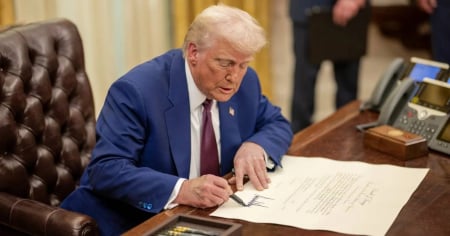
This Monday, June 9, a new Presidential Proclamation signed by Donald Trump went into effect, imposing immigration restrictions on citizens from 19 countries, including Cuba.
The term “travel ban” is used in the media to describe an executive measure by the United States government that restricts or blocks the entry of foreign nationals from certain countries. The term has gained popularity since Donald Trump's first presidency, when similar restrictions were implemented.
The measure has raised concern among thousands of Cubans with pending procedures or travel plans to the United States. Here are the details you should consider before traveling.
What does the measure mean for Cubans?
Cuba has been included in the group of countries with partial entry restrictions. This means that certain types of visas are suspended, affecting both immigrants and non-immigrants.
Specifically, Cuban nationals will not be able to enter the U.S. with the following visas:
- B-1 (business)
- B-2 (tourism)
- B-1/B-2 (tourism/business)
- F (academic studies)
- M (vocational studies)
- J (student or professional exchange)
Who is exempt?
The proclamation includes specific exceptions for the following cases:
- Legal permanent residents (green card holders).
- Individuals with dual nationality, if traveling with a passport from a country not included on the list.
- Holders of diplomatic and special visas (A, G, C, NATO).
- Immediate family members of U.S. citizens with IR-1, IR-2, and IR-5 visas (spouse, minor children, and parents).
- Minors adopted under the categories IR-3, IR-4, IH-3, and IH-4.
- Beneficiaries of special permits such as Form I-512 or valid PARCIS authorizations.
What happens if you already have a valid visa?
Cubans with valid visas issued before June 8, 2025 will be able to enter the U.S. as long as they have not remained outside of legal status. This includes the five-year B-2 visas granted since 2023.
Nevertheless, it is important to remember that the visa does not guarantee entry into the country. The final decision rests with the immigration officials at the port of entry.
Will family reunification be affected?
Yes, in part. Applications made by U.S. citizens for spouses, children, or parents are exempt and will be processed normally.
However, the claims from permanent residents are on hold, leaving many Cuban families in a state of painful uncertainty.
Which countries have a total entry suspension?
The entry of citizens from 12 countries into the U.S. is completely prohibited, whether with immigrant visas (permanent residency) or non-immigrant visas (tourism, business, study, etc.). New visas in these categories will not be processed, except for very limited exceptions outlined in section 5 of the proclamation (such as adoption cases, refugees, or specific national interests).
- Afghanistan
- Burma (Myanmar)
- Chad
- Republic of the Congo (Congo-Brazzaville)
- Equatorial Guinea
- Eritrea
- Haiti
- Iran
- Libya
- Somalia
- Sudan
- Yemen
What other countries have partial entry restrictions to the U.S. like Cuba?
The seven countries with partial restrictions are:
- Burundi
- Laos
- Sierra Leone
- Togo
- Turkmenistan
- Venezuela
- Cuba
The measure does not affect all visas or all citizens equally. There are exceptions, such as immediate family members of U.S. citizens (IR/CR visas), adoption cases, or individuals with dual nationality traveling with a passport from a non-restricted country.
Will there be more changes in the immigration policy of the United States?
The proclamation allows for reviews every 90 days to assess whether the countries included have improved their cooperation with the U.S. This could lead to future modifications.
For Cuba, the restrictions are linked to its designation as a state sponsor of terrorism and its refusal to accept the repatriation of deported nationals.
Café Fuerte reported that the new immigration policy represents the biggest obstacle for Cuban travel to the United States in four decades and warns that more specific guidelines are expected from the authorities.
Meanwhile, it is advised that affected Cubans check the validity period of their visas and seek legal guidance if their immigration plans could be affected.
The United States government warns those planning to stay longer than permitted that before embarking on such a decision, they should formally submit a visa extension request. All travelers will be monitored during their stay in the country, and if they violate the law, they will be deported.
Frequently Asked Questions about the "Travel Ban" for Cubans and Its Implications
What visas are affected for Cubans with the new travel restrictions to the U.S.?
B-1, B-2, B-1/B-2, F, M, and J visas for Cubans are suspended under the new Presidential Proclamation signed by Donald Trump. This affects both immigrants and non-immigrants, significantly limiting the legal entry opportunities for Cubans into the United States.
Who is exempt from the travel restrictions to the U.S.?
Permanent legal residents, individuals with dual nationality traveling on a passport from a country not included in the list, holders of diplomatic and special visas, and immediate family members of U.S. citizens are exempt. Exceptions are also made for beneficiaries of special permits such as Form I-512 or valid PARCIS authorizations.
What happens if a Cuban already has a valid visa to travel to the U.S.?
Cubans with valid visas issued before June 8, 2025, can enter the U.S. as long as they have not remained outside of legal status. However, entry is not guaranteed, as the final decision rests with immigration officials at the port of entry.
How does the "Travel Ban" affect the family reunification of Cubans?
Family reunification is partially affected, as applications made by U.S. citizens for spouses, children, or parents are exempt. However, claims from permanent residents are suspended, creating uncertainty for many Cuban families.
What options do Cubans have to enter the U.S. if they hold dual nationality?
Cubans with dual nationality can enter the U.S. using the passport of a country not included on the list, as long as they have a valid visa from that country. This option can be a way to bypass the restrictions imposed by the "Travel Ban."
Filed under: