In the midst of a busy schedule engaging with various sectors of Cuban society, the head of the U.S. diplomatic mission in Cuba, Mike Hammer, held a meeting with members of the Jewish community in Boca de Camarioca, Matanzas.
The United States Embassy in Cuba announced the meeting through its official account on X:
"Our Chief of Mission Mike Hammer expressed gratitude for the opportunity to meet with some members of the Jewish community in Boca de Camarioca, in the province of Matanzas. Shabbat Shalom!" he posted, along with the hashtags Religious Freedom and With Everyday Cubans.
The visit is part of a series of actions by the diplomat to connect directly with Cuban civil society, especially with religious communities, youth, opposition groups, and vulnerable sectors.
During the last few weeks, Hammer has visited several locations in the country, including Bejucal, Artemisa, and San Antonio de los Baños, the cradle of 11J.
There, he has shared with the elderly in homes managed by the Catholic Church, with volunteers providing food to those in need, and with young people in Catholic temples.
"What I enjoy is sharing, and I would like to hear from you anything you want to share; it can also be criticism, please, as I come from a democracy. It's not perfect; we have our problems, but the interests of opinion and thought are respected," he said at his meeting with the youth.
These initiatives, however, have caused irritation for the Cuban regime.
The U.S. official has been the target of several accusations from the government for visiting Cuban families, activists, and opposition figures across the Island.
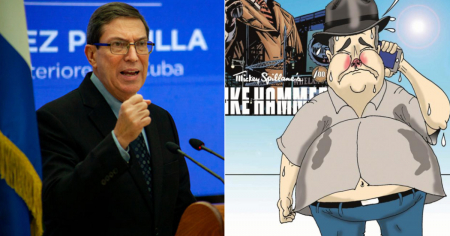
The Deputy Minister of Foreign Affairs, Carlos Fernández de Cossío, accused Hammer of "interference" and even suggested that he could be declared a persona non grata.
During an interview with EFE, Fernández de Cossío questioned Hammer's role, accusing him of seeking media attention and acting as a "scarecrow" that "drives people away."
The American diplomat, for his part, continues with his visits despite the threats, defending his right to maintain direct contact with citizens and promote democratic, religious, and humanitarian values.
"Friendly and valuable encounters that reaffirm the importance I place on connecting directly with people," he expressed on one occasion.
From Washington, the State Department strongly supports its work on the Island and rejects the accusations from the Cuban government as attempts to silence any effort to highlight the reality of the country.
With his visit to Matanzas, Hammer adds a new demonstration of support for religious communities in Cuba, in a gesture that transcends the symbolic and reinforces the commitment of the United States to fundamental freedoms in the Caribbean nation.
Frequently Asked Questions About Mike Hammer's Diplomatic Visits to Cuba
What is the purpose of Mike Hammer's visits to different communities in Cuba?
The purpose of Mike Hammer's visits is to directly connect with Cuban civil society, including religious communities, youth, opposition members, and vulnerable sectors. His goal is to hear firsthand the needs and perspectives of everyday Cubans and to strengthen ties with them, promoting democratic, religious, and humanitarian values.
How has the Cuban regime reacted to Mike Hammer's activities?
The Cuban regime has described Mike Hammer's activities as "interfering" and has expressed its discontent through accusations of provocative behavior. They have even suggested the possibility of declaring him a persona non grata due to his interactions with civil society and his promotion of human rights on the island.
What support has Mike Hammer received from the United States government?
The United States government has provided strong support for Mike Hammer, defending his right to maintain direct contact with Cuban citizens and rejecting the regime's accusations. The Department of State has reiterated its commitment to promoting human rights and fundamental freedoms in Cuba.
What sectors of Cuban society has Mike Hammer visited?
Mike Hammer has visited a variety of sectors in Cuban society, including religious communities, church-run nursing homes, youth in Catholic temples, independent journalists, entrepreneurs, and political dissidents. His focus has been to listen and support humanitarian initiatives on the island.
Filed under: