
Related videos:
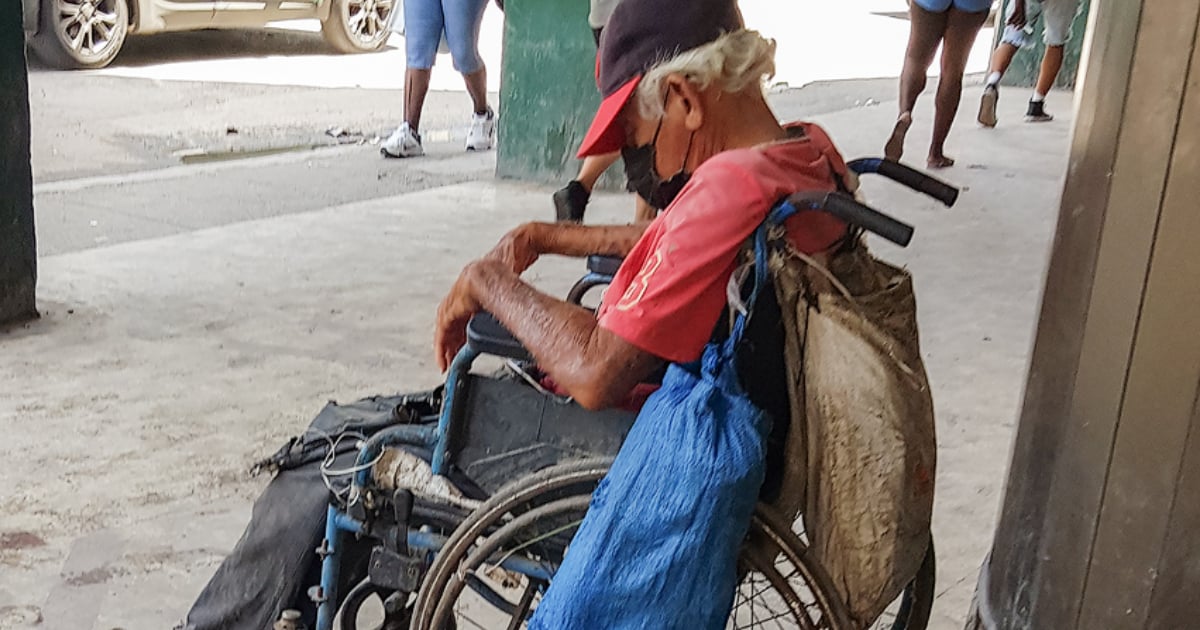
Cuba continues to age at an accelerated rate: by the end of 2024, 25.7% of its population will be 60 years or older, according to the latest data published by the National Office of Statistics and Information (ONEI).
This means that more than a quarter of the island's inhabitants are in older adulthood, reinforcing the trend of demographic aging and positioning Cuba as the most aged country in Latin America and the Caribbean.
The provinces most affected by this phenomenon are Villa Clara, with 29.1%, and Havana, with 28.1%, the only ones that exceed 28%.
In contrast, the regions with the lowest proportion of elderly individuals are Guantánamo (22.5%) and Artemisa (23.2%), according to information provided by ONEI on their official X account.
At the municipal level, Plaza de la Revolución in Havana leads the national ranking with 36.8% of its population over 60 years old, followed by municipalities in Villa Clara, Sancti Spíritus, and Cienfuegos.
On the other end, the youngest municipality in the country is Yateras, in Guantánamo, with only 17.1% of seniors.
The aging index —the ratio of individuals over 60 years old to those under 15— also reflects the increasing share of the elderly population.
Villa Clara leads with 2,036 elderly people for every 1,000 children, followed by Havana (1,866) and Sancti Spíritus (1,789). Guantánamo has the lowest rate, with 1,248.
This reality presents significant social, economic, and health challenges for the country, especially in a context characterized by low birth rates, the massive migration of young people, and the deterioration of the social care system.
The ONEI report warns that future sustainability will depend on the measures taken today to address this structural change in the population pyramid.
Ageing degree by provinces of Cuba at the end of 2024 (Percentage of people aged 60 years and older)
Cuba (national average): 25.7%
- Villa Clara: 29.1%
- Havana: 28.1%
- Sancti Spíritus: 26.6%
- Camagüey: 26.5%
- Cienfuegos: 26.5%
- Pinar del Río: 26.2%
- Matanzas: 25.8%
- Mayabeque: 25.3%
- Las Tunas: 25.2%
- Holguín: 25.4%
- Isle of Youth: 24.1%
- Ciego de Ávila: 24.0%
- Granma: 23.8%
- Santiago de Cuba: 23.3%
- Artemisa: 23.2%
- Guantánamo: 22.5%
Since 2019, the country has reported a natural decline with more deaths than births being registered, as reported in 2024 by Prime Minister Manuel Marrero Cruz during the fourth ordinary session of the National Assembly in its tenth legislature.
This is further compounded by the fact that more than 250,000 Cubans left the island in 2024, according to official figures from ONEI, in a year also marked by the lowest number of births in six decades, an increase in the number of deaths, and a sustained population decline compared to 2023.
Cuba closed the year 2024 with an effective population of less than 10 million inhabitants and the lowest number of births recorded in over six decades.
Frequently Asked Questions about Demographic Aging in Cuba
What is the current situation of population aging in Cuba?
By the end of 2024, 25.7% of the Cuban population was 60 years old or older, indicating rapid demographic aging. This phenomenon is more pronounced in provinces such as Villa Clara and Havana, where the percentages of the older population exceed 28%.
Which provinces in Cuba are most and least affected by aging?
The provinces most affected by aging are Villa Clara (29.1%) and Havana (28.1%), while Guantánamo (22.5%) and Artemisa (23.2%) have the lowest percentages of elderly adults. This imbalance presents significant social and economic challenges for the country.
What challenges does Cuba face due to its aging population?
The aging population in Cuba presents significant social, economic, and health challenges. Low birth rates, the mass migration of young people, and the deterioration of the social care system complicate the country's future sustainability. The burden on the pension and health systems is increasingly heavy, while the active workforce is shrinking.
What measures is the Cuban government taking to address demographic aging?
Despite acknowledging the seriousness of the problem, it seems that the Cuban government does not have a comprehensive strategy to address aging. Current policies are insufficient, and there is no clear strategic vision to tackle this challenge. The promised measures, such as incentivizing childbirth and curbing emigration, have shown limited results.
Filed under: