
Related videos:
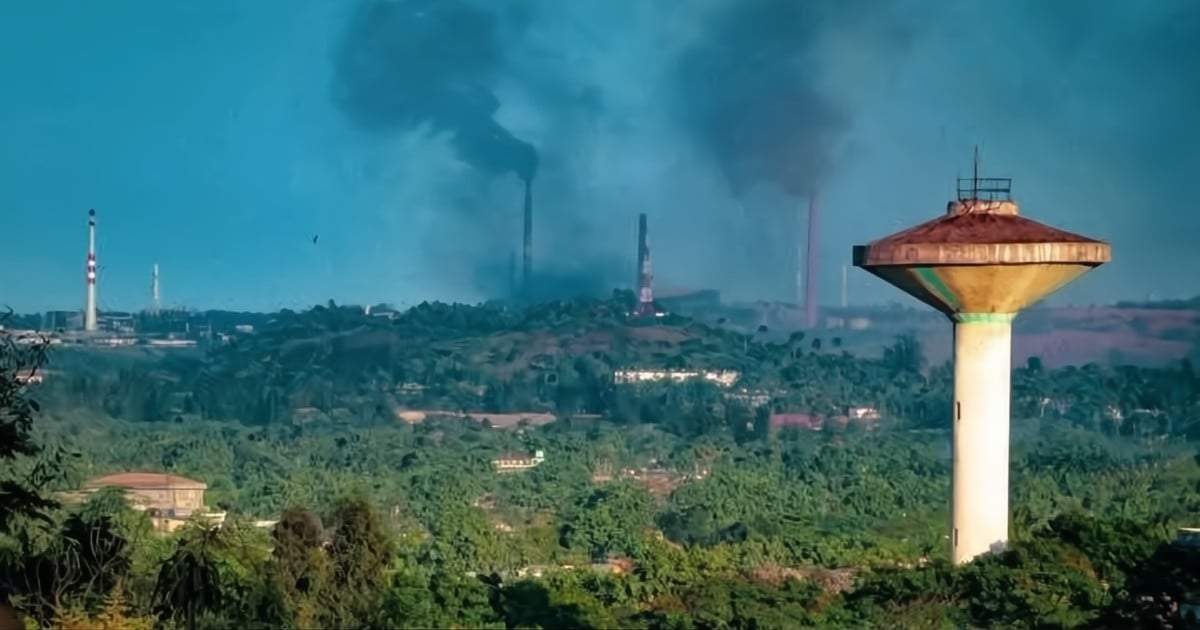
The environmental crisis faced by the inhabitants of Moa in the Cuban province of Holguín has escalated to the point of prompting public demands for information from journalists associated with the government, who are calling for Cubaníquel and local authorities to provide a clear explanation regarding the pollution caused by the nickel industry.
The official journalist Lázaro Manuel Alonso used his social media to share the complaint of his colleague Yulieska Hernández García, who warned about the constant emission of mineral dust from the factory Comandante Ernesto Che Guevara, which is part of the Cubaníquel Business Group. “More information is needed regarding this matter,” Alonso stated.
In his post, Hernández described a situation that is "extremely uncomfortable," which has affected the quality of life in Moa for weeks. "The worst moment was experienced in the last 24-48 hours, following the most intense discharge of ore from the reduction furnaces," he wrote.
The journalist criticized the lack of official communication: "The largest spill occurs without an explained cause and without timely prior notice."
Hernández defended that it is not an intentional action on the part of the industry and acknowledged that “discussing the issue on social media makes sense, it is understandable,” especially given the lack of institutional transparency.
In this regard, a user highlighted in the comments on his post: "Indisputable that it wasn't intentional, but there is a bit of administrative and environmental irresponsibility. It is good that the Director of ECG and Cubaníquel respond to the media in Moa and Cuba about this situation."
The citizen alert erupted days ago when a resident of Moa reported on social media the "desperation" caused by living under a constant cloud of black dust. "What comes out of your throat is black. It's like we’re breathing poison," the woman told journalist Mario J. Pentón, requesting anonymity for fear of reprisals.
The situation in Moa has been described by some as a silent ecocide. The nickel and cobalt processing plants in the region, such as Pedro Soto Alba and Ernesto Che Guevara, operated by the joint venture Moa Nickel S.A. – a partnership between the Cuban regime and the Canadian company Sherritt – claim on their social media that they operate with “high safety and quality standards.”
However, the reality reported by the residents contrasts with that version. “You clean the house, and it’s dirty again in no time,” explained the resident. “They are killing us slowly,” many inhabitants repeat, while the authorities have yet to provide answers or concrete solutions.
In June, the journalist from Holguín dedicated a report to highlighting the "excellent results in environmental management" achieved in the first semester of 2025 by companies such as Moa Nickel SA Pedro Sotto Alba, CEPRONIQUEL, CEXNI, and Cediniq Moa. The interviewed officials warned that the Cuban industry was preparing for an increase in its production but did not mention the implications this would have for the quality of life of the population.
The nickel and cobalt are essential for the Cuban regime's economy. Mining in Moa began in the 1950s, and today the government seeks to increase production to take advantage of international demand. However, the local population continues to be the most affected, bearing the environmental and health costs.
It is expected that, following pressure on social media, local official media will soon release a report featuring statements from specialists at the Ernesto Che Guevara factory, attempting to provide an official account of the events.
Frequently asked questions about nickel pollution in Moa
What is the main cause of pollution in Moa?
Pollution in Moa is mainly due to nickel and cobalt mining activity in the region, specifically from plants such as Ernesto Che Guevara and Pedro Soto Alba, operated by Moa Nickel S.A., a joint venture between the Cuban government and the Canadian company Sherritt. These plants emit polluting mineral dust, severely impacting the quality of life for local residents.
How does nickel pollution affect the residents of Moa?
Residents of Moa suffer health and quality of life issues due to constant exposure to a "cloud of black dust" that affects the air and the environment. This results in respiratory illnesses and constant, futile cleaning of their homes, compounded by the fear of retaliation for reporting the situation.
What actions are the Cuban authorities taking in response to the allegations of pollution in Moa?
So far, the Cuban authorities have not provided concrete answers or solutions to the reports of pollution in Moa, which has led to criticism and demands for transparency from both state journalists and the local population. It is anticipated that pressure on social media will compel the authorities to release a report with statements from specialists.
What impact does the nickel industry have on the Cuban economy?
The nickel industry is essential for the Cuban regime's economy, as nickel and cobalt are highly sought-after metals in the international market. The exploitation of these resources in Moa has been a significant source of income since the 1950s, and the government aims to increase their production to meet global demand.
Filed under: