
Related videos:
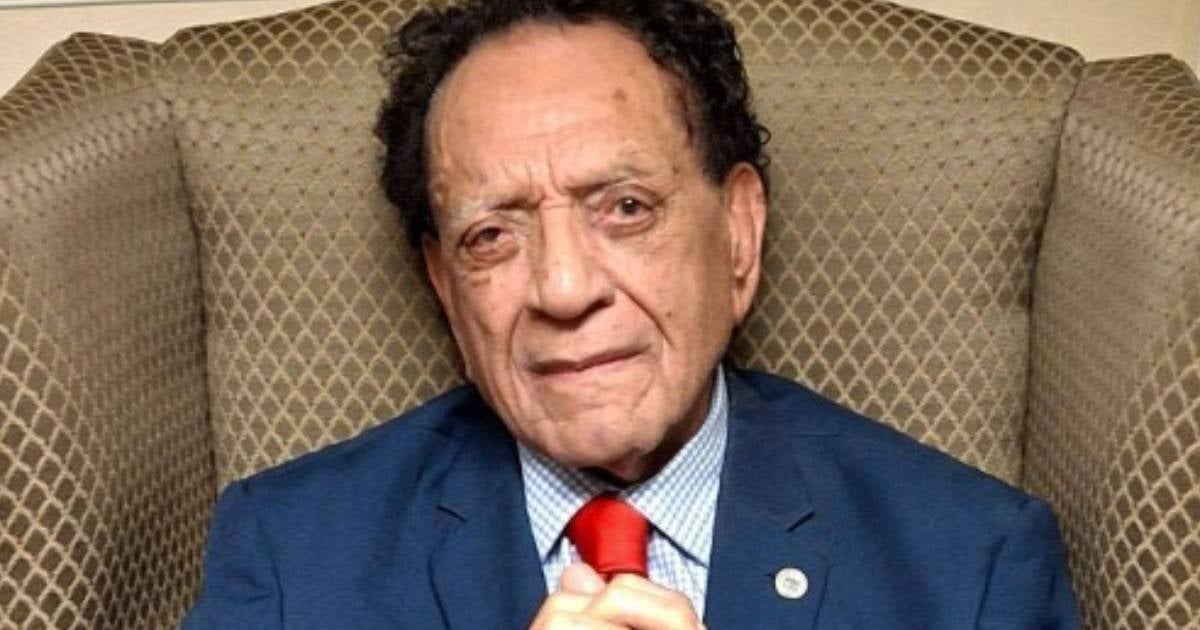
The Cuban journalist, writer, and historian Luis Conte Agüero passed away in Miami at the age of 101, just six days after celebrating his birthday, as confirmed by several media outlets on Tuesday.
Cuban journalist Wilfredo Cancio Isla, who described him as an "essential politician in republican history, a journalist of significant moments, and an emblematic figure in the battles of the Cuban exile against Fidel Castro's regime," noted that his death occurred "on July 12 in his residence in Miami, due to a prolonged deterioration of his health."
With his passing, a life marked by political commitment, anti-Castro activism, and the defense of Cuban democracy from exile comes to an end, emphasized Radio Martí.
Born in Santiago de Cuba on July 6, 1924, Conte Agüero was passionate about words from an early age. A storyteller, singer, and early improviser, he made his debut on Santiago's radio and gained national recognition with his show "Habla Luis Conte Agüero," which was broadcast from Havana in the 1950s.
A member of the Orthodox Party, he strongly supported Fidel Castro, promoting him as a candidate for Congress in 1952. The closeness was such that Castro authorized him to speak on his behalf during the imprisonment on the Isle of Pines after the assault on the Moncada Barracks.
"The perfect man does not exist; if he did, he would be Luis Conte Agüero," Fidel wrote to him in 1954.
However, following the revolutionary triumph of 1959, the relationship between the two broke abruptly. Conte Agüero early on denounced the communist infiltration in the new government, and openly criticized the rapprochement with the Soviet Union and the Soviet propaganda presence in Havana.
On March 25, 1960, in a historic broadcast on Radio Progreso, he read an open letter to Fidel Castro, publicly breaking with the regime.
That night, a mob surrounded him and demanded his execution. He escaped with his life and sought asylum in the Argentine embassy. Days later, he went into permanent exile.
From Miami, Luis Conte Agüero became one of the most influential voices of the Cuban exile.
He founded organizations, participated in international rallies, and wrote more than 40 books on Cuban politics, history, and culture. He engaged in dialogue with presidents like John F. Kennedy and anti-communist leaders from America and Europe.
His personal archive, consisting of 179 boxes of documents, was donated to the Cuban Heritage Collection at the University of Miami, as a legacy for future generations.
“I, the piece of Cuban history that I had the chance to live and create, I have already lived it and I have already created it,” he told CubaNet in 2022, at the age of 98.
Conte Agüero was the brother of former president Andrés Rivero Agüero, the last elected leader before Batista's rise to power. He was both a witness to and a key figure in the paradoxes of 20th-century Cuban politics: initially an ally and supporter of Fidel Castro, he was later labeled as a "traitor" by the regime.
"Luis Conte Agüero has acted out of deep personal resentment, with great vanity," Fidel Castro accused him on national television after their break in 1960. For many exiles, he was a symbol of coherence, bravery, and resistance against totalitarianism. His motto was: "Walk with the truth, even if it hurts."
The passing of Luis Conte Agüero has elicited reactions from colleagues, academics, activists, and figures from the exile community, who bid farewell to him as an irreplaceable figure in the political and cultural history of the Cuban exile.
On the occasion of his recent birthday, on July 6th, the media CaféFuerte dedicated a celebratory article to his long political career and public life, which effectively became a tribute in advance.
On social media, the most repeated message summarizes the legacy of this centennial patriot: "Cuba first, Cuba later, Cuba always."
Frequently Asked Questions About the Life and Legacy of Luis Conte Agüero
Who was Luis Conte Agüero?
Luis Conte Agüero was a prominent Cuban journalist, writer, and historian who became an influential figure in the Cuban exile community after breaking with Fidel Castro's regime in 1960. He was born in Santiago de Cuba in 1924, and his life was marked by his political activism and his defense of democracy from exile in Miami.
Why did Luis Conte Agüero break with Fidel Castro?
Luis Conte Agüero broke with Fidel Castro due to his disagreement with the communist infiltration in the new revolutionary government and the rapprochement with the Soviet Union. In 1960, he read an open letter to Castro on Radio Progreso, publicly denouncing the direction of the regime, which led to threats against his life and his subsequent exile in Miami.
What was the legacy of Luis Conte Agüero in the Cuban exile?
From his exile in Miami, Luis Conte Agüero became an influential voice within the exiled Cuban community, founding organizations, participating in international rallies, and writing more than 40 books on Cuban politics, history, and culture. His legacy is remembered for its coherence and resilience against totalitarianism.
How did Fidel Castro describe Luis Conte Agüero after their break?
After Conte Agüero publicly broke with the regime, Fidel Castro accused him of acting with great personal resentment and vanity. This reflected the total rift between the two, shifting from being allies to political enemies.
Filed under: