
Related videos:
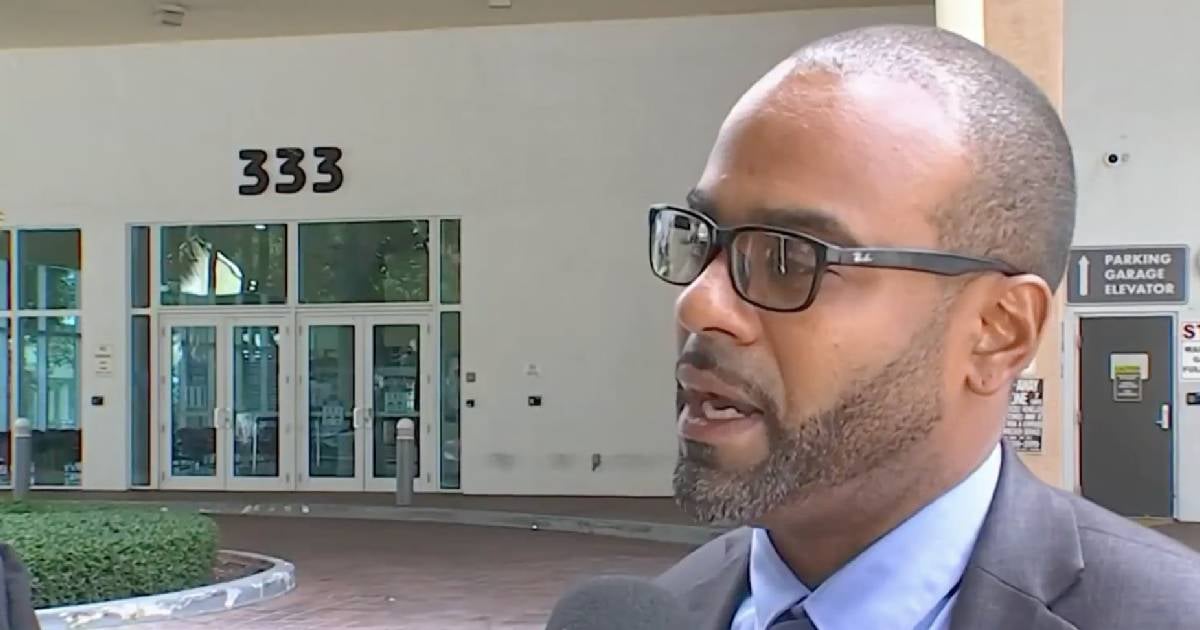
Cuban activist Joel Pérez, 44, received a denial of his political asylum request on Wednesday during a hearing held at the Immigration Court in Miami.
The decision left the activist, as well as human rights defenders and members of the Cuban community in exile, stunned, as they view the case as yet another example of the increasing challenges faced by dissidents from the island in being recognized as political refugees in the United States.
“Today is going to be a great day for me,” Pérez stated before the hearing, confident that the documents and testimonies supporting his claim would be enough to demonstrate his history of arrests, harassment, humiliation, and even kidnappings by the Cuban regime, reported the channel Telemundo 51.
However, after more than two and a half hours of deliberations, the judge dismissed her request.
According to Joel, the judge argued that his activism did not pose a sufficient risk to justify asylum: “What I do daily was not enough for her. She said that as an opponent, I don’t have even a 10% chance of winning the case,” he explained, clearly frustrated.
Her lawyer, Rosaly Chaviano, emphasized that the case had "more evidence than usual," but the judge questioned the authenticity and age of the submitted documents, a tactic that, she claimed, is frequently repeated in trials against Cuban opposers.
"Prosecutors tend to distrust documents issued by the regime itself, such as official summonses, and dismiss evidence for being 'too old,' as if that invalidated it," he reported.
Chaviano also pointed out that the court prevented Joel from fully expressing the real fear he feels about returning to Cuba, where political repression is still ongoing.
"She could not speak about what she really experienced or about the situation of political prisoners," she stated.
The refusal was described as "outrageous" by Catalina Vázquez of the Clamor de Cuba movement, who warned that cases like Joel's are a blow to all activists committed to freedom on the island.
"It's outrageous that, with all the evidence, it is said that their activism represents only 10%. What more do they want?" she questioned.
Despite the judicial setback, the defense announced that it will appeal the decision to the Board of Immigration Appeals and, if necessary, will pursue the process in higher courts.
The strategy will include valid circumstantial evidence in asylum cases, such as photographs, eyewitness testimonies, and records of participation in protests and opposition activities.
"Not everything has to be direct evidence. Testimonies from people who were present at the protests or photos from those events are also valid," explained lawyer Chaviano.
Another similar case is being discussed in the courts of Miami, that of the activist Oscar Casanella, who also faces the risk of being deported to the island.
On June 24th, the Cuban biochemist appeared for over six hours before the immigration court, and yet the case remained unresolved, as no judgment has been issued.
Frequently Asked Questions about Joel Pérez's Asylum Case
Why was political asylum denied to Joel Pérez in the United States?
The judge argued that Joel Pérez's activism did not represent a sufficient risk to justify asylum. Despite presenting an extensive history of arrests and harassment by the Cuban regime, the judge dismissed his request, questioning the authenticity and age of the documents submitted.
What legal actions will Joel Pérez take after the asylum denial?
Joel Pérez's defense plans to appeal the decision before the Board of Immigration Appeals and, if necessary, continue the process in higher courts. The strategy will include valid circumstantial evidence in asylum cases, such as photographs, eyewitness testimonies, and records of participation in protests.
What challenges do Cuban opponents face in obtaining asylum in the United States?
Cuban opponents face distrust towards documents issued by the regime and questions about the timeliness of the evidence. Furthermore, there is a tendency to dismiss evidence such as official summonses as untrustworthy. This complicates the recognition of their status as political prisoners.
How does the denial of asylum affect the community of Cuban activists in exile?
The denial of asylum is seen as a setback for activists committed to freedom in Cuba. Leaders of the exile community, such as Catalina Vázquez from the Clamor de Cuba movement, view these decisions as discouraging for those seeking justice and recognition abroad.
Filed under: