
Related videos:
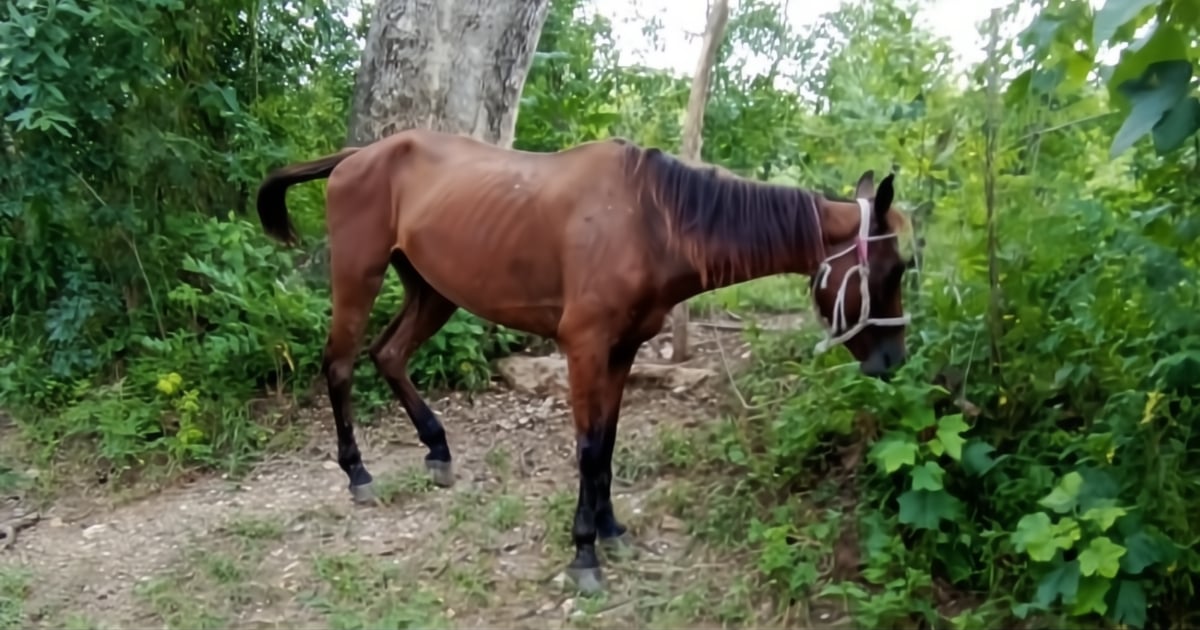
Three suspected individuals involved in the theft and illegal slaughter of livestock were apprehended in Manzanillo, Granma province, while they were preparing to kill a horse that they had already restrained.
The timely intervention of neighbors near the train station allowed authorities to be alerted, who acted quickly to prevent the new sacrifice from taking place.
According to the official profile Entérate con Aytana Alama on Facebook, the individuals had already sacrificed an animal that same morning and were preparing the ground to do the same with a horse belonging to a local farmer.
The official spokesperson took advantage of the situation to "thank" the actions of the Ministry of the Interior (Minint) and other repressive forces, which allowed the horse to be recovered before being sacrificed.
At the scene, utensils used to commit these crimes were seized, which will serve as evidence against them.
The same regime-friendly profile reported in a previous post that the police caught two citizens in the act while transporting over 300 pounds of beef in a cart, stolen after illegally slaughtering an animal in the town of San Francisco, also in Manzanillo.
The scarcity of food in Cuba has triggered these offenses, favoring a black market eager to take advantage of any opportunity to acquire meat, regardless of its origin.
The rising wave of illegal animal sacrifices in Cuba has revealed a chain of crimes spanning various provinces, reflecting the desperation stemming from food shortages.
In Gibara, an individual was arrested after having and being in the midst of selling its meat, following reports from neighbors.
A few days earlier, also in Holguín, another Cuban was caught attempting to dispose of the body of a sacrificed horse, after moving it hidden among underbrush to a wooded area.
These cases add to other equally violent incidents, such as that of a man who attempted to steal a horse by attacking its owner in the middle of the street, but he did not achieve his goal and ended up being arrested.
In Holguín, a man accused of kidnapping cows from farmers was also captured, a criminal practice that is becoming increasingly common in rural areas.
One of the most significant operations was the dismantling of an illegal butcher gang that was transporting over 400 pounds of meat in a vehicle in the eastern part of the country.
Frequently asked questions about the illegal slaughter of livestock in Cuba
What happened in Manzanillo with the attempted illegal sacrifice of a horse?
In Manzanillo, three people were arrested while attempting to illegally sacrifice a horse. Neighbors alerted the authorities, who quickly intervened to stop the animal's sacrifice. This incident highlights the increasing issue of illegal livestock slaughter in Cuba, fueled by food shortages and the presence of a black market for meat.
Why has the illegal slaughter of livestock increased in Cuba?
The illegal sacrifice of livestock in Cuba has increased due to food shortages and the economic crisis. Many Cubans resort to these practices to access meat, as the official market does not meet demand or offer affordable prices. The lack of economic alternatives and state restrictions on the marketing of beef exacerbate the situation.
How are the authorities responding to the illegal slaughter of livestock?
Cuban authorities have intensified operations against the illegal slaughter of livestock. However, despite arrests and severe penalties, they have not been able to curb the rise in these crimes. Efforts are focused on capturing and prosecuting those involved, but they do not address the root of the problem: food shortages and lack of access to basic products.
What risks do individuals involved in the illegal slaughter of livestock in Cuba face?
People involved in the illegal slaughter of livestock in Cuba face severe prison sentences. According to the government, 90% of those prosecuted for these crimes receive custodial sentences, with 78% facing penalties of up to 15 years. Authorities are trying to deter these practices with exemplary trials, but the economic reality of the country continues to push many towards illegality.
Filed under: